
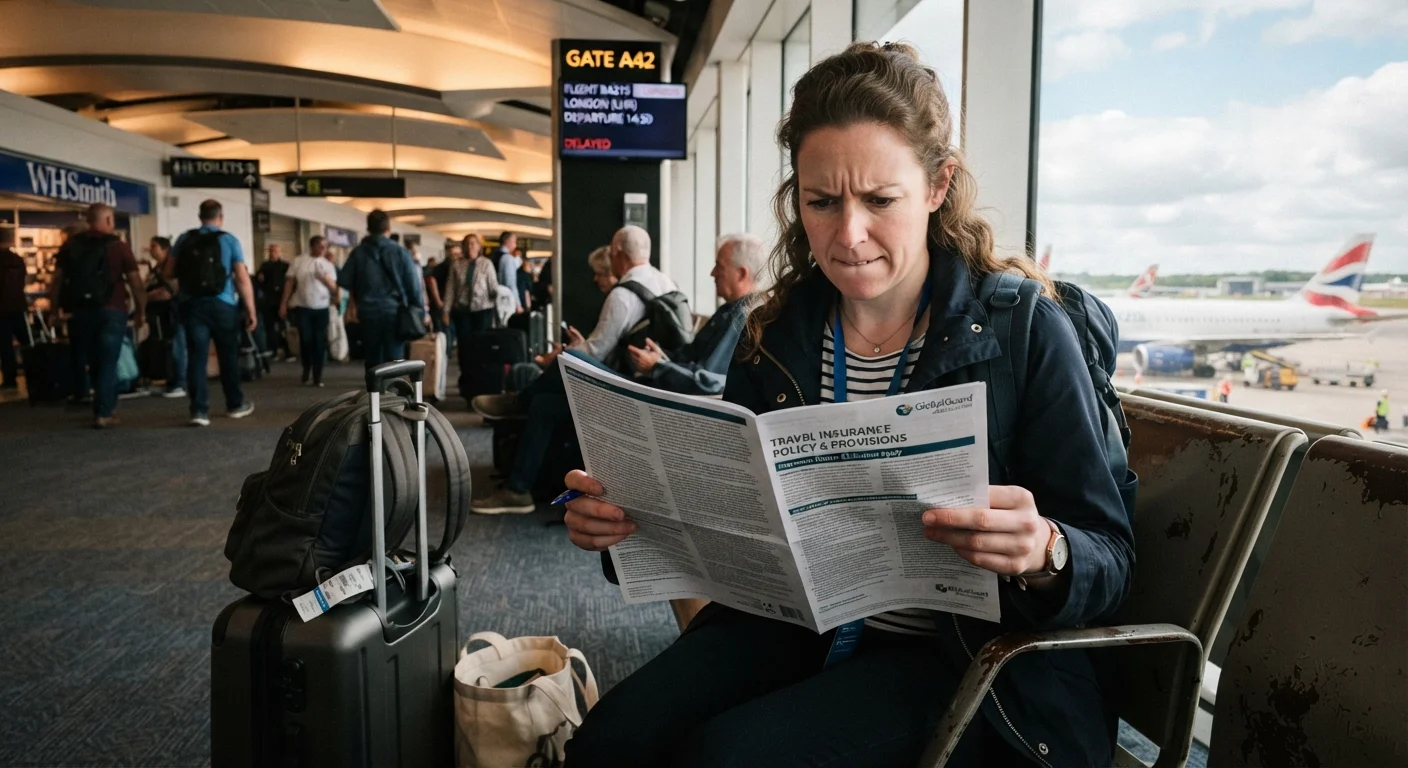
The Gap Between What You Expect and What's Actually Covered
Most travelers buy a policy, tuck the confirmation email away, and assume they're protected. That assumption is exactly where problems start. Travel insurance is not a blanket safety net - it's a contract with specific conditions that determine whether a claim gets paid. The basics of how travel insurance works are worth understanding before you even compare plans.
The core issue is that exclusions - events or circumstances the insurer won't cover - are written into every policy. They're listed in the Policy Disclosure Statement (PDS), a document many travelers never fully read. Common exclusions include:
- Losses caused by alcohol or drug use
- Theft of unattended belongings
- Medical costs related to undisclosed pre-existing conditions
- Injuries from activities classified as high-risk or adventure sports
- Cancellations for reasons not listed in the covered causes
None of these exclusions are hidden - they're just easy to overlook when you're excited about a trip. Taking 20 minutes to read the PDS before purchasing can prevent a very expensive surprise later.
Buy Your Policy Right After Booking
Purchasing travel insurance the same day you book your trip gives you the maximum cancellation protection window. If an illness or emergency arises in the weeks before departure, you'll be covered - something a policy bought at the airport cannot provide. It also ensures you're protected if your travel provider goes out of business before your trip.
Pre-Existing Conditions: The Clause Most People Underestimate
If you have a health condition - diabetes, a heart condition, asthma, a recent surgery - travel insurance policies treat this as a material fact that must be disclosed. Failing to declare a condition accurately can void your entire policy, not just the medical portion.
Some insurers will cover pre-existing conditions if you disclose them and pay a higher premium. Others will cover you for unrelated medical events but exclude anything connected to your condition. A small number of policies exclude pre-existing conditions entirely. The only way to know which category your plan falls into is to read it carefully - or call the insurer directly and ask specific questions.
Disclosure Is Not Optional
When you apply for travel insurance, you're entering a legal contract that requires honest, complete disclosure of your medical history and travel plans. Insurers can investigate claims and may request medical records. If they find undisclosed information that's relevant to your claim, they have grounds to deny it - even if your condition didn't directly cause the incident you're claiming for.
This matters most for older travelers or those with chronic conditions, where the probability of a medical event is higher and the potential costs abroad are greatest. Always consult a qualified healthcare professional about travel suitability if you have a complex medical history.
Excess Clauses, Sub-Limits, and Other Policy Fine Print
Beyond exclusions, two other policy features regularly catch travelers off guard: excess clauses and sub-limits.
The excess is the amount you pay before the insurer steps in. A policy with a $250 excess on luggage claims means a $300 stolen camera results in only a $50 payout. Some policies let you pay more upfront to reduce the excess - worth considering if you're traveling with expensive equipment.
Sub-limits cap how much you can claim per category. A policy might offer $5,000 in luggage coverage overall, but only $500 for electronics or $300 for a single item. Travelers carrying laptops, cameras, or jewelry are often surprised to find their actual payout is far lower than the total coverage figure suggested.
~40%
Travel insurance claims that are partially or fully denied
Industry estimates suggest a significant portion of travel insurance claims involve disputes over exclusions, insufficient documentation, or non-disclosure issues - underscoring the importance of understanding your policy before you need it.
$50,000+
Potential out-of-pocket medical costs abroad without coverage
Emergency medical evacuation or hospitalization in destinations like the US, Japan, or Australia can run into tens of thousands of dollars - costs that standard health insurance plans often don't cover internationally.
Being aware of both features before you buy - not after you file a claim - lets you compare policies meaningfully rather than just on price. As noted in our piece on common travel myths, the cheapest option rarely provides the most protection when it matters.
How to Read a Policy Before You Actually Need It
You don't need to be a legal expert to understand a travel insurance PDS. Here's a practical approach:
- Start with the exclusions list. This tells you what the policy won't cover - and it's usually more instructive than the marketing summary on the front page.
- Check the definitions section. Words like 'unattended,' 'pre-existing,' and 'reasonable' have specific meanings in insurance contracts that differ from everyday usage.
- Look up your planned activities. If you're renting a scooter, going snorkeling, or skiing, confirm these are covered or that an add-on is available.
- Note the claims process. Most policies require you to report incidents (theft, medical treatment) within a specific timeframe and with supporting documentation - police reports, medical receipts, receipts for lost items.
Travel insurance is a product worth understanding the same way you'd approach any other significant financial commitment. For a broader comparison of how insurance policies tend to surprise buyers, the parallels in why warranty claims are harder than expected are instructive.
This article is for general informational purposes only and does not constitute insurance, financial, or medical advice. Always read the full Policy Disclosure Statement and consult qualified professionals before making insurance decisions relevant to your personal circumstances. Verify all entry, safety, and health requirements with official government and provider sources before traveling.