
Why Sleep Is More Than Just Rest
Most of us think of sleep as the absence of activity - a pause in the day. But your body is far from idle while you sleep. During the night, your brain processes and stores memories from the day, your immune system releases proteins called cytokines that help fight inflammation, and your tissues repair themselves. Sleep is, in biological terms, an active and essential process.
What's less well understood is how quickly skimping on sleep shows up in everyday performance. Reaction time, decision-making, emotional regulation, and concentration all take measurable hits after even one or two nights of shortened rest. Over weeks and months, chronic short sleep is associated with a wider range of health concerns - though it's important to note that sleep is one factor among many, and individual circumstances vary considerably.
The encouraging flip side: when you consistently prioritise sleep, improvements in energy, mood, and focus are often among the first changes people notice. You don't need to overhaul your entire lifestyle to benefit - you just need to build the habit deliberately. For a broader look at how sleep interacts with mental health, see how the sleep-mental health cycle works.
What Consistent Sleep Timing Actually Does
Your body runs on an internal clock - the circadian rhythm - that regulates when you feel alert and when you feel sleepy. This clock is largely calibrated by light exposure and, critically, by the consistency of when you go to bed and wake up. When your schedule is irregular, your body never fully settles into the cycle it needs to perform well.
1 in 3
U.S. adults not getting enough sleep
According to the Centers for Disease Control and Prevention (CDC), about one-third of American adults regularly sleep less than the recommended amount.
7-9 hrs
Recommended nightly sleep for adults
The American Academy of Sleep Medicine and Sleep Research Society recommend seven to nine hours of sleep per night for adults to support optimal health.
~24 hrs
Length of the human circadian cycle
The human body's internal clock runs on roughly a 24-hour cycle, regulated by light exposure and behavioural cues like consistent sleep timing.
Keeping a regular wake time - even on weekends - is widely regarded by sleep researchers as one of the most effective anchors for sleep quality. It may feel counterintuitive to set an alarm on a Saturday, but a consistent wake time helps stabilise your circadian rhythm faster than any other single habit. Your bedtime can then follow naturally once your body has learned the pattern.
This same principle explains why shift workers and frequent travellers often struggle with sleep quality - and why even modest schedule irregularity can be felt as grogginess or difficulty concentrating. Jet lag offers a vivid example of what happens when your internal clock is forced out of alignment with your actual schedule.
Building a Wind-Down Routine That Actually Sticks
Your brain doesn't switch from alert to asleep like a light switch. It needs a gradual transition - and your job is to create the conditions that make that transition easier. A wind-down routine is essentially a sequence of low-stimulation activities in the 30-60 minutes before bed that signal to your nervous system that sleep is approaching.
Keep Your Routine Simple and Repeatable
A wind-down routine doesn't need to be elaborate to be effective. Even a consistent 20-minute sequence - such as dimming lights, making a warm drink, and reading - can meaningfully signal to your brain that sleep is approaching. The key is to repeat the same sequence every night so the association between routine and sleep becomes automatic over time.
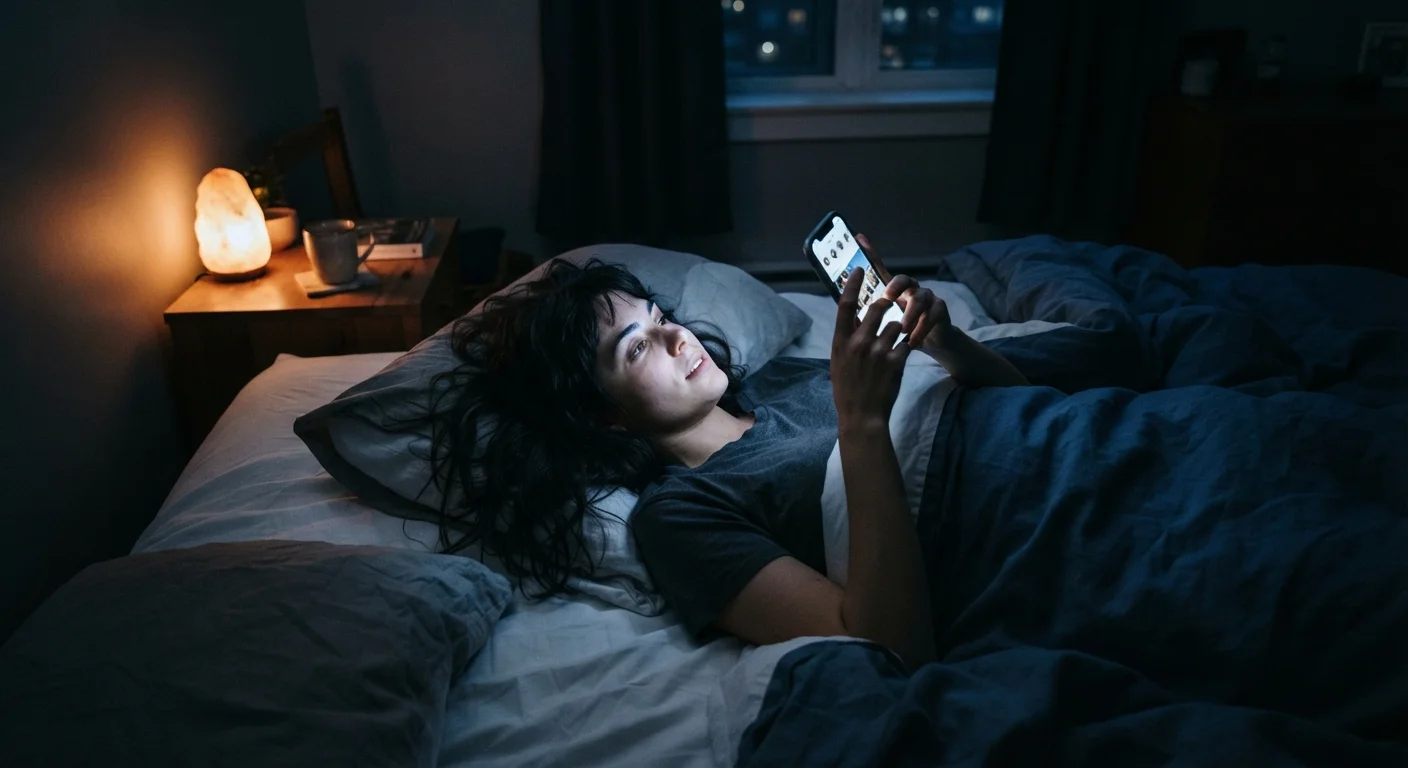
What goes into that routine is genuinely personal. Some people find reading fiction calming; others prefer a warm shower, gentle stretching, or quiet breathing exercises. The specific activity matters less than its consistency and its low-stimulation quality. Bright screens, heated conversations, and work emails are all poor wind-down companions - not because they're morally wrong, but because they activate the parts of your brain that work against sleep onset. For a closer look at how evening screen habits interact with sleep, see screen time and sleep patterns.
If you're also building other daily habits alongside sleep, pairing your wind-down routine with an existing evening anchor - like making a cup of herbal tea or dimming the lights - can make the new habit much easier to maintain. Comparing morning and evening routines may help you decide where sleep fits best in your overall day structure.
“Sleep is the single most effective thing we can do to reset our brain and body health each day - a powerful elixir for both mental and physical health.”
— Matthew Walker, Professor of Neuroscience and Psychology, University of California, Berkeley; author on sleep science
A wind-down routine also feeds into broader mental wellness. Consistent, calming evenings can reduce the mental chatter that keeps people awake and are a natural complement to a daily mental wellness practice.
Starting Small: Making Sleep a Sustainable Default
Building a sleep habit doesn't mean you need to transform your life overnight. In fact, the most durable habit changes tend to come from small, repeatable adjustments rather than dramatic overhauls. Start with one anchor - a consistent wake time - and let the rest follow over a few weeks.
If you're beginning a wider healthy habits journey, sleep is one of the highest-leverage places to start because it supports virtually every other wellness goal: it affects how you eat, how you exercise, how you handle stress, and how you think. The first 30 days of building healthy habits framework is a practical companion if you want to layer sleep alongside other changes in a structured, manageable way.
Stress is also worth keeping in mind - high stress and poor sleep often reinforce each other. If you find that racing thoughts or tension make it hard to wind down, it may help to look at your daytime stress habits too. Stress and daily habits takes an honest look at what actually helps versus what simply feels like it should.
This article is for general informational and educational purposes only. It is not a substitute for professional medical advice, diagnosis, or treatment. If you have concerns about your sleep or health, please consult a qualified healthcare provider.