Why Car Batteries Fail Before They Should
The average car battery is rated to last between three and five years, but many fail well before that. The culprit is rarely a single event - it's usually a pattern of habits or conditions that add up over time. Understanding what genuinely stresses a battery helps you avoid the most common pitfalls.
Car batteries work by converting chemical energy into electrical energy. Every charge and discharge cycle slightly degrades the internal lead plates. That process is normal, but certain conditions accelerate it dramatically. This article breaks down the real battery killers - and separates them from the things that don't matter as much as people assume.
For a broader look at keeping your car healthy through changing seasons, see our seasonal car maintenance guide.
Batteries are inexpensive to maintain proactively
A periodic voltage check costs nothing, and a basic battery maintainer is a modest one-time expense that can add months or years to battery life.
Early signs of decline are easy to spot
Slow engine cranking, dim headlights at idle, or a battery warning light are reliable early indicators that give you time to act before a breakdown.
Simple habit changes can extend battery lifespan significantly
Combining longer occasional drives with disciplined accessory shutoff can meaningfully extend the time between replacements without any mechanical knowledge required.
Free testing is widely available
Many auto parts retailers will test your battery and charging system at no charge, giving you an objective read on remaining capacity.
What Actually Shortens Battery Life
Several well-documented factors accelerate battery wear. Knowing them helps you make small adjustments before a dead battery leaves you stranded.
Short daily commutes quietly degrade batteries
Trips under 15-20 minutes don't allow the alternator to fully recharge the battery, leading to cumulative deep discharge damage over weeks and months.
Heat is more damaging than most drivers realize
High ambient temperatures accelerate plate corrosion and fluid loss inside the battery, often causing failures that only show up when cold weather hits months later.
Parasitic drain can kill a battery in days
A single interior light, a faulty relay, or a device left plugged into a power outlet can draw enough current overnight to fully discharge a battery.
No warning before sudden failure is common
Batteries can pass a basic voltage test and still fail abruptly under the high load of a cold-weather start, leaving drivers with no advance notice.
Terminal corrosion reduces charging efficiency
Even mild buildup of corrosion at battery terminals increases electrical resistance, meaning the battery charges more slowly and delivers power less effectively.
Short trips are one of the biggest culprits. When you drive for only five or ten minutes, your alternator - the component that recharges the battery while the engine runs - doesn't have enough time to fully replenish the charge used to start the car. Do this repeatedly and the battery slowly runs deeper and deeper into a partial state of charge, which degrades its capacity over time.
Parasitic drain is another quiet threat. This is electricity drawn from the battery when the car is off - by things like a dome light left on, an aftermarket stereo, or even a faulty relay. A small but constant draw can flatten a battery within a day or two if the car isn't driven.
Extreme temperatures affect batteries in both directions. Heat above 100°F accelerates internal corrosion and evaporates the battery's electrolyte fluid. Cold weather doesn't damage the battery chemically, but it thickens engine oil and makes the battery work harder to crank the engine, revealing any weakness in an already-degraded battery. Many winter failures are actually batteries that were weakened during summer heat.
For more overlooked maintenance truths, our car maintenance myths article covers what conventional wisdom gets wrong.
What Doesn't Hurt Your Battery (Common Misconceptions)
Not every concern drivers have about batteries is well-founded. A few common worries turn out to be low-risk or outright myths.
Using air conditioning does put extra load on the electrical system, but modern alternators are designed to handle it. Routine A/C use won't meaningfully shorten battery life in a healthy electrical system.
Occasional long trips are actually good for your battery. Highway driving gives the alternator plenty of time to fully recharge the battery - it's the opposite of the short-trip problem.
Normal electronics use - phone charging, heated seats, the radio - draws small amounts of current while the engine is running and the alternator is active. This is unlikely to cause battery problems on its own.
A Note on Battery Replacement Timing
Manufacturers typically rate batteries for 3-5 years, but real-world lifespan varies by climate, driving patterns, and vehicle electrical load. If your battery is approaching three years old, a load test at a shop gives you an objective picture of its remaining capacity. Replacing a battery as a precaution before a long road trip in extreme weather is reasonable if it's already showing signs of age.
Simple habits like these connect directly to broader car ownership savings. See our guide on managing car ownership costs for more practical ways to reduce unexpected expenses.
How to Check and Extend Your Battery's Life
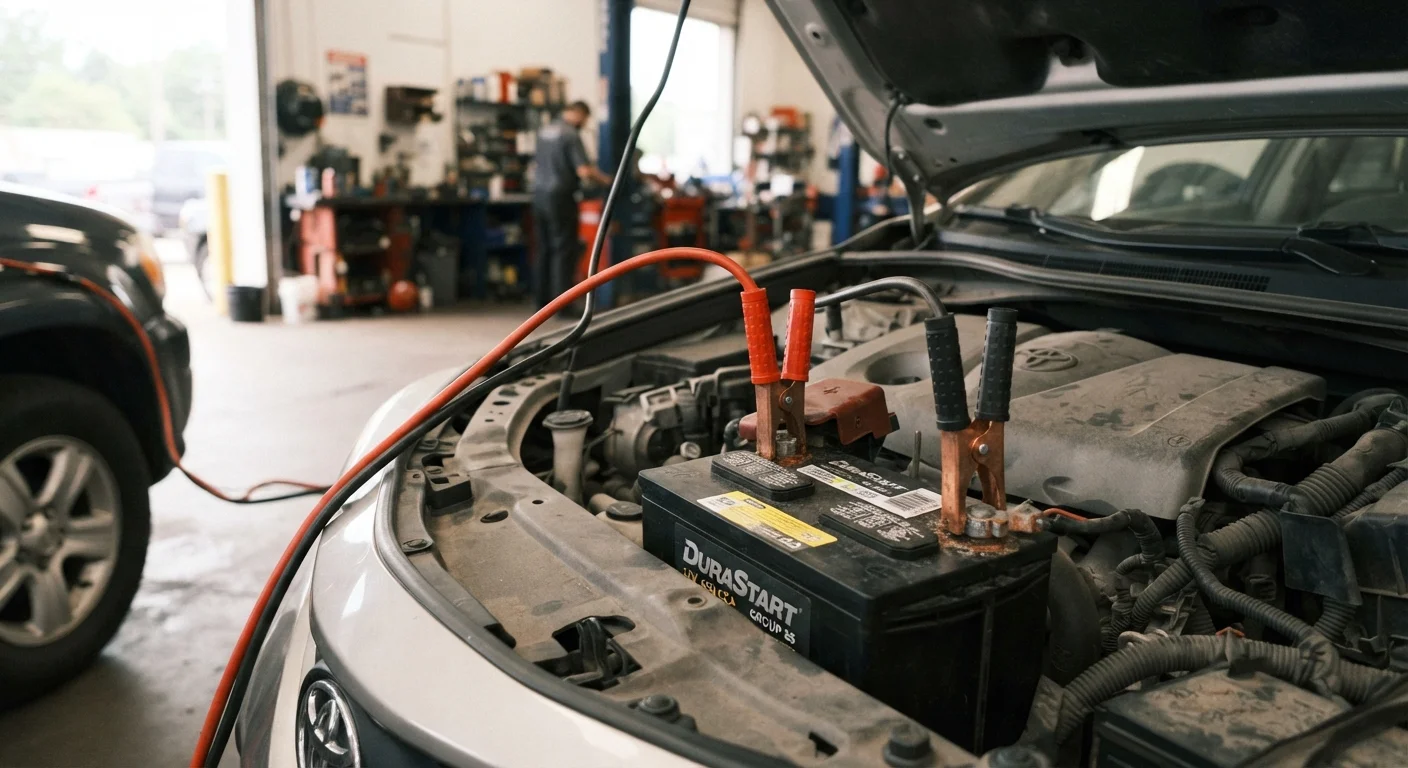
You don't need a mechanic to stay on top of battery health. An inexpensive digital voltmeter can tell you a lot. A fully charged 12-volt battery should read between 12.4 and 12.7 volts with the engine off. Below 12.2 volts suggests the battery is only partially charged and may be struggling. Many auto parts stores also offer free battery load tests, which are more revealing than a voltage reading alone.
A few practical habits make a real difference:
- If most of your driving is short, try to take one longer drive per week to allow a full recharge.
- Always double-check that lights and accessories are off before leaving the car.
- Keep battery terminals clean and free of white or blue corrosion - a light brushing with a dry stiff-bristle brush (with the car off) can improve connection quality.
- If your car sits unused for more than two weeks regularly, a battery maintainer (sometimes called a trickle charger) can keep it at a healthy charge without overcharging.
Building these into your routine is straightforward. Our guide to building good car care habits offers a practical starting point.
3-5 years
Typical car battery lifespan
Most manufacturers and industry sources cite this range under normal driving and climate conditions.
~33%
Battery capacity lost at 0°F vs. 80°F
Cold temperatures reduce a battery's ability to deliver cranking power, according to general electrochemical principles widely cited in automotive engineering references.