Why At-Home Grooming Matters
Grooming isn't just about keeping your dog looking tidy. Regular grooming sessions give you a chance to spot lumps, skin irritation, ear infections, or overgrown nails before they become serious health issues. It also builds trust between you and your dog, turning what might initially feel stressful into a calm, routine experience.
If you've recently added a dog to your household, grooming should be part of your settling-in plan from the start. See our guide to bringing a dog home for the first time for how to introduce grooming early and without fuss.
80%
Dogs with periodontal disease by age 3
According to the American Veterinary Medical Association, most dogs show signs of dental disease by their third birthday.
3-4 weeks
Recommended nail trim interval
Veterinary sources generally recommend trimming dog nails every three to four weeks to prevent overgrowth and gait issues.
2-3×/week
Minimum tooth brushing frequency
Veterinary dental guidelines suggest brushing at least three times per week to meaningfully reduce plaque buildup.
Coat Brushing by Coat Type
How often and with what tools you brush your dog depends almost entirely on coat type. Using the wrong brush - or skipping brushing altogether - can lead to painful matting, skin problems, and excessive shedding around the house.
- Short, smooth coats (Beagles, Boxers, Dachshunds): A rubber curry brush or bristle brush once a week removes loose hair and distributes natural oils effectively.
- Medium coats (Labradors, German Shepherds): Brush two to three times per week with a slicker brush. During shedding seasons, a deshedding tool helps manage undercoat volume.
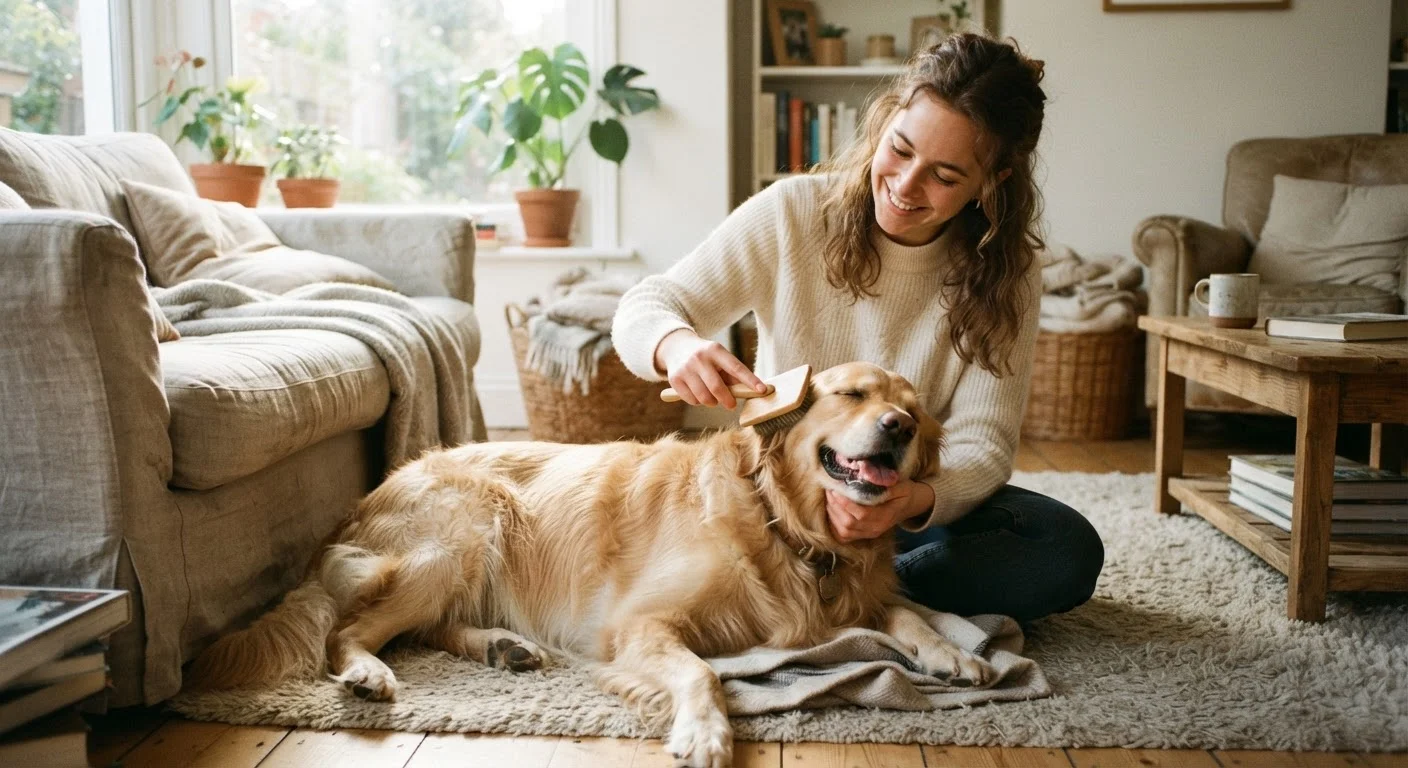
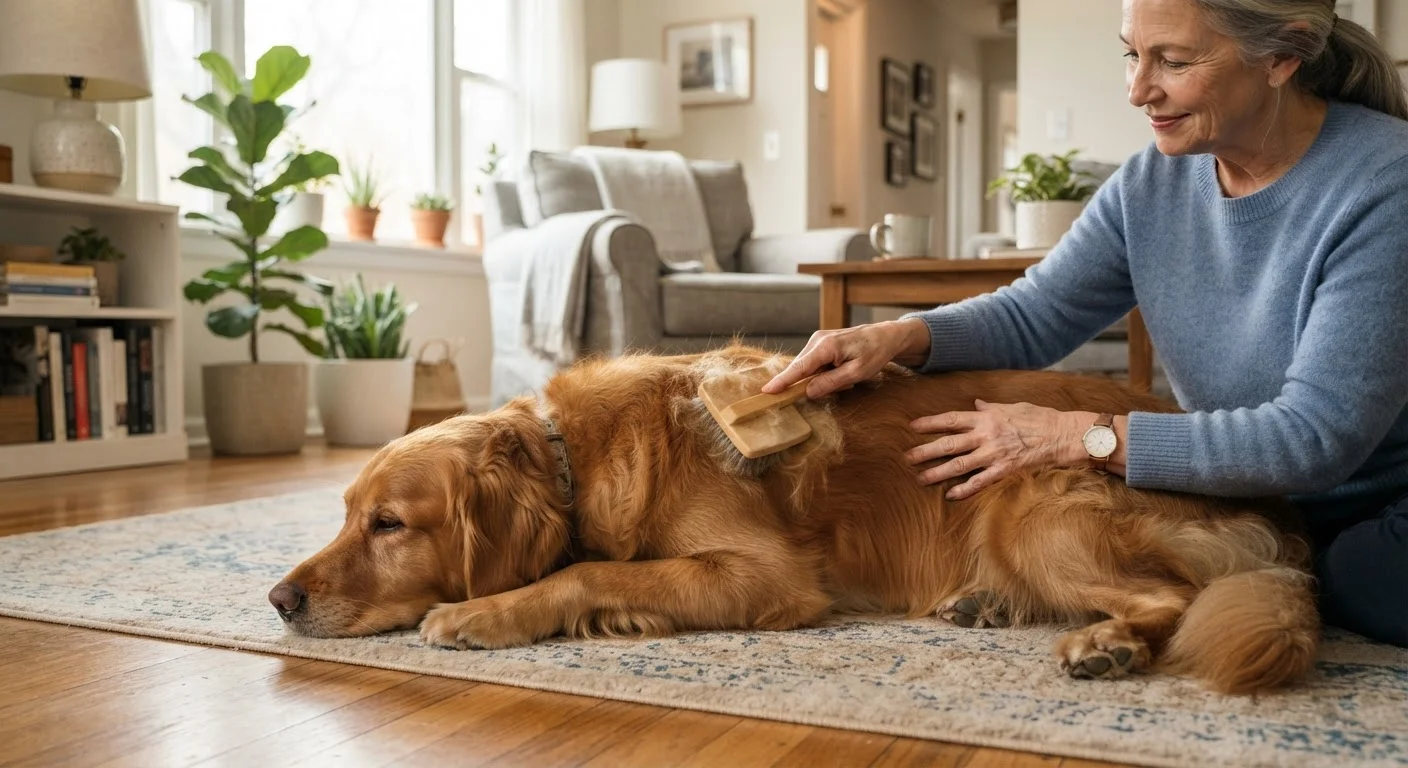
- Long coats (Golden Retrievers, Collies, Afghan Hounds): Daily brushing with a pin brush and slicker brush prevents tangles and mats, especially around the ears, legs, and belly.
- Curly or wavy coats (Poodles, Doodles): Brush every day or every other day with a slicker brush to prevent tight matting. Professional trims every 6-8 weeks are typically needed.
- Double coats (Huskies, Samoyeds, Akitas): Never shave a double coat - it can damage the coat's insulating and protective functions. Use an undercoat rake during shedding season.
Brush Before You Bathe
Always detangle and brush your dog's coat thoroughly before getting it wet. Water causes existing mats to tighten and become much harder to remove. A pre-bath brush session saves time, reduces discomfort, and protects the coat.
Always brush before bathing, not after. Brushing a wet, matted coat pulls and tears the hair, causing discomfort and damage.
Ear Checks and Cleaning
Dogs' ears - especially floppy-eared breeds like Cocker Spaniels and Basset Hounds - are prone to moisture buildup and infection. A quick visual check once a week takes under a minute and can catch problems early.
A healthy ear looks pale pink inside, has no noticeable odor, and shows no dark discharge or redness. If you notice any of these warning signs, or if your dog is scratching their ears or shaking their head frequently, consult a veterinarian rather than attempting to treat it at home.
For routine cleaning, use a veterinarian-approved ear cleaning solution on a cotton ball - never a cotton swab, which can push debris deeper into the canal. Gently wipe only the visible part of the inner ear.
Do Not Use Cotton Swabs in the Ear Canal
Inserting cotton swabs into a dog's ear canal can push debris deeper and risk damaging the eardrum. Clean only the visible outer portion of the ear. If you suspect an infection - indicated by odor, dark discharge, or persistent scratching - seek veterinary care promptly rather than attempting to treat it at home.
Nail Trimming Basics
Overgrown nails can cause real discomfort. When nails are too long, they force a dog's paw into an unnatural position, which over time can affect gait and joint health. Most dogs need their nails trimmed every three to four weeks.
Use a guillotine-style or scissor-style clipper designed for dogs. The goal is to trim just the tip of the nail, avoiding the quick - the pink blood vessel visible in light-colored nails, and less visible in dark nails. Cutting the quick causes bleeding and pain.
Trim just one or two nails per session if your dog is nervous, then reward and stop. Spreading the process across several short sessions reduces anxiety far more effectively than one prolonged struggle.
Short, positive interactions build a dog's tolerance gradually and prevent nail trimming from becoming a source of ongoing stress, which is a common reason owners avoid it altogether.
Run your hands firmly along your dog's entire coat during every brush session - not just across the surface. You're feeling for lumps, tender spots, ticks, or skin changes that visual inspection alone can miss.
Early detection of skin issues or masses significantly improves treatment outcomes; routine hands-on contact makes this a natural part of every grooming session.
If your dog is anxious about nail trims, try touching their paws regularly during calm moments, rewarding them with treats each time. Gradual desensitization over days or weeks makes a significant difference. Keep styptic powder on hand in case you accidentally nick the quick.
Dental Care at Home
Periodontal disease is one of the most common health conditions in adult dogs, according to veterinary dental guidelines. Despite this, tooth brushing remains one of the most skipped parts of home grooming routines.
Use a toothbrush designed for dogs (or a finger brush for smaller breeds) and toothpaste specifically formulated for dogs. Human toothpaste contains fluoride and xylitol, both of which are toxic to dogs. Aim to brush your dog's teeth daily, or at minimum three times per week.
Dental Chews Are a Supplement, Not a Substitute
While veterinary-approved dental chews can help reduce tartar between brushing sessions, they do not replace the mechanical action of a toothbrush against the tooth surface. The Veterinary Oral Health Council (VOHC) publishes a list of accepted products that have demonstrated efficacy in clinical trials - this can be a useful reference when choosing supplemental dental products.
Start by letting your dog taste the toothpaste, then gradually introduce the brush over several sessions. Dental chews and water additives can supplement brushing but are not a replacement for mechanical cleaning.
Building a Consistent Grooming Routine
Consistency matters more than perfection. A dog who experiences calm, reward-based grooming regularly will cooperate far better than one who is groomed infrequently and erratically. Integrate grooming into your weekly schedule - short sessions of five to ten minutes are more manageable than infrequent marathon sessions.
Pay attention to how your dog communicates during grooming. Lip licking, yawning, turning away, or stiffening are all signals that your dog is feeling stressed. Take a break and return to it rather than pushing through. For a deeper understanding of what your dog's body language is telling you, see our guide on reading dog body language.
For a broader view of incorporating grooming into ongoing pet care, The Weekly Routine That Keeps a Dog Healthy offers a practical checklist covering grooming alongside exercise and health observation habits.
When to See a Veterinarian Instead
Home grooming is health maintenance, not medical treatment. If you discover a lump, wound, skin infection, severely matted coat, or signs of ear or dental disease, contact your veterinarian rather than managing it yourself. Attempting to cut out severe mats or treat visible infections at home can cause injury and delay necessary care.