Why These Myths Stick Around
Car maintenance advice gets passed down like family recipes - with good intentions but outdated ingredients. Some of these myths made sense decades ago, when engines and lubricants were far less advanced. Others were never accurate to begin with but spread because they sounded reasonable or because someone with a financial interest in more frequent service reinforced them.
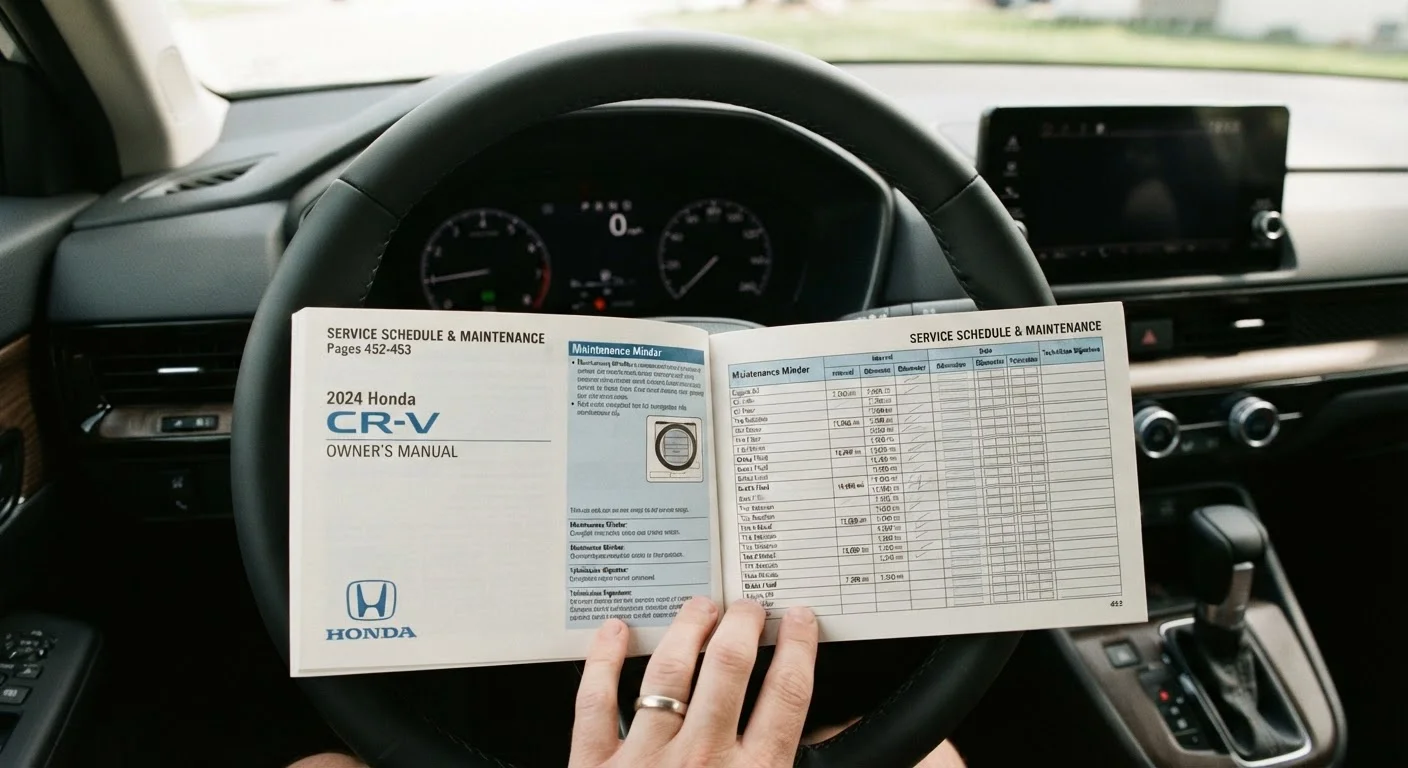
The good news: your car comes with a document that cuts through the noise. The owner's manual contains a manufacturer-approved maintenance schedule tested to your specific engine. As our guide to reading your owner's manual explains, that schedule is your most reliable source - not the sticker on your windshield.
Myth
You need to change your oil every 3,000 miles, no exceptions.
Fact
Most modern vehicles with synthetic oil can go 5,000 to 10,000 miles or more between changes - check your owner's manual for the actual interval.
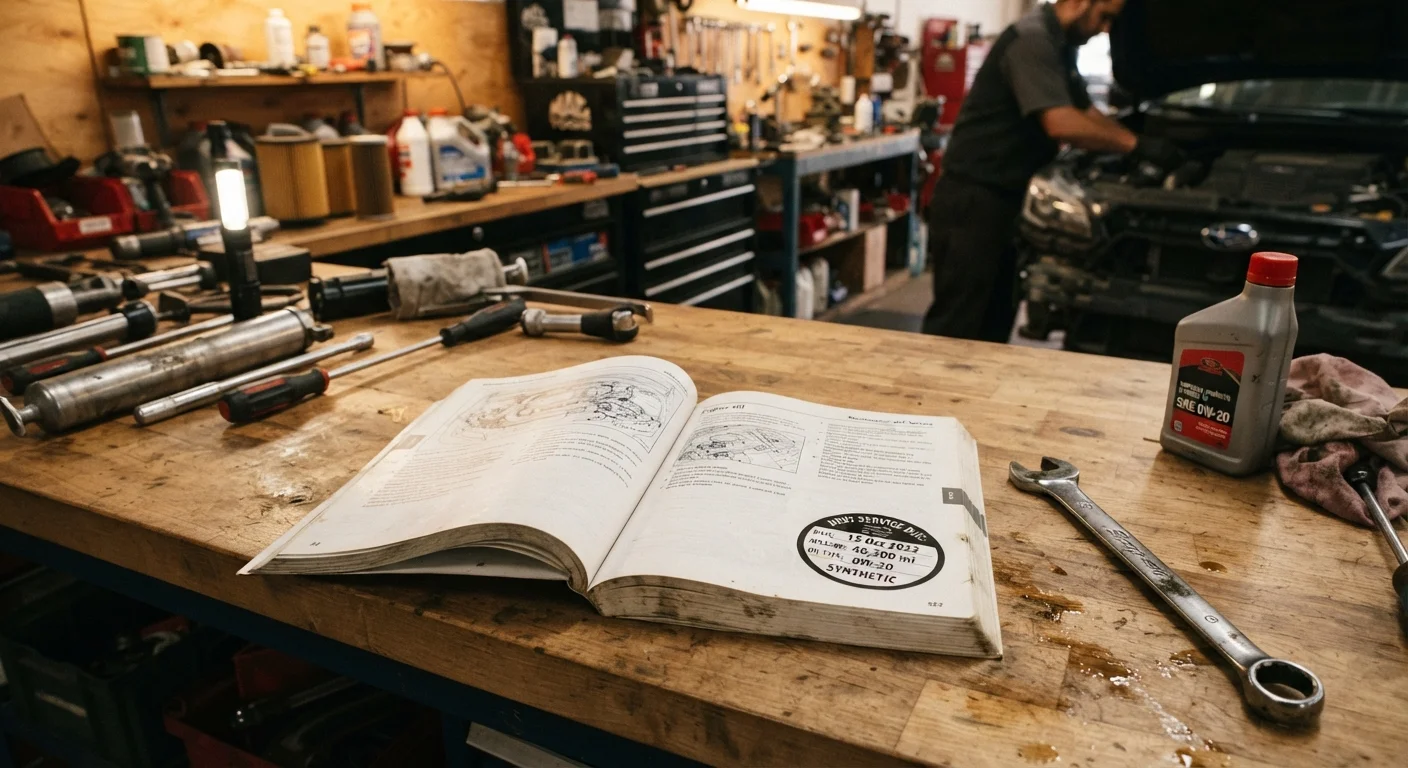
The 3,000-mile rule dates back to an era of older engine designs and conventional motor oil. Today's full-synthetic and synthetic-blend oils are engineered to last significantly longer. Many automakers now specify 7,500 to 10,000-mile intervals, and some vehicles go even further. Changing oil more often than necessary doesn't harm your engine - but it does drain your wallet. For a deeper look at oil types and what the labels mean, see synthetic vs. conventional oil explained.
Myth
You have to warm up your engine for several minutes before driving in cold weather.
Fact
Modern fuel-injected engines warm up faster and more efficiently under a light driving load than they do while idling in a driveway.
This advice made sense for carbureted engines common before the 1980s. Today's electronically controlled, fuel-injected engines reach optimal operating temperature more quickly when driven gently from the start. Extended idling in cold weather wastes fuel, increases engine wear slightly by running rich (too much fuel relative to air), and contributes to unnecessary emissions. A minute or so to let oil circulate before driving off is reasonable in very cold temperatures - beyond that, you're better off simply driving gently until the temperature gauge reaches its normal range. See seasonal car maintenance for more cold-weather tips.
Myth
Premium gasoline will make any car run better and last longer.
Fact
Premium fuel only benefits engines specifically engineered to require or recommend it. Using it in a standard engine provides no meaningful advantage.
Premium gasoline has a higher octane rating, which resists engine knock (premature ignition of the fuel-air mixture) under high compression. Engines designed around higher compression ratios genuinely need it. For a regular engine, the extra cost produces no performance gain, no better fuel economy, and no protective effect. Your owner's manual will clearly state whether your engine requires premium or merely recommends it - those two words carry different implications for your wallet and your engine.
Myth
Inflate your tires to the number printed on the tire sidewall.
Fact
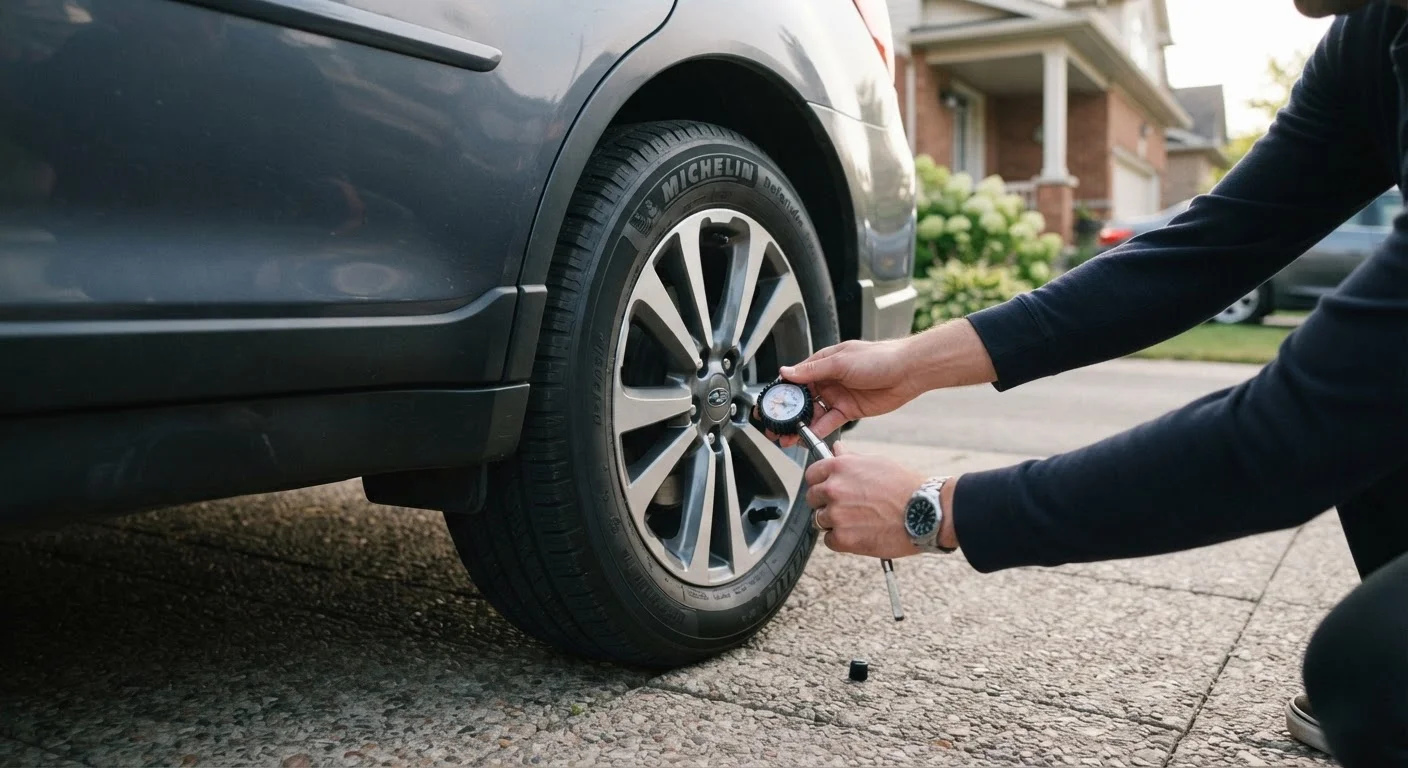
The number on the sidewall is the maximum pressure the tire can hold, not the recommended inflation for your vehicle. Use the pressure listed in your car's door jamb or owner's manual.
Inflating to the sidewall maximum can overinflate your tires, leading to a harsher ride, reduced contact with the road surface, and uneven tread wear in the center of the tire. The correct pressure for your specific vehicle - accounting for the car's weight and suspension design - is printed on a sticker inside the driver's door jamb. It's typically between 30 and 36 PSI for most passenger cars. Check pressure when tires are cold (driven less than a mile) for the most accurate reading.
Myth
If the check engine light comes on, the problem is probably minor and can wait.
Fact
A check engine light can signal anything from a loose gas cap to a misfiring engine. Leaving it undiagnosed risks turning a small issue into a costly repair.
The check engine light (more formally, the malfunction indicator lamp) is a broad warning - it doesn't distinguish between urgent and non-urgent faults on its own. A steady light might indicate something simple, but a flashing check engine light typically signals an active misfire that can damage your catalytic converter if ignored. Getting the fault code read at a shop or with an inexpensive OBD-II reader (a device that plugs into your car's diagnostic port) is the only way to know. Our dashboard warning lights guide walks through what different indicators actually mean.
Myth
Washing your car is just cosmetic - it has no effect on the vehicle's mechanical health.
Fact
Regular washing removes road salt, grime, and corrosive debris that can accelerate rust on the undercarriage and damage painted surfaces over time.
Road salt used for winter de-icing is particularly corrosive to metal components under the car, including brake lines and suspension parts. Letting it accumulate over a full winter can cause damage that's expensive to repair. Washing the undercarriage after exposure to heavy salt is a straightforward preventive step. Seasonal maintenance covers this and other weather-related care that goes beyond the obvious.
The Real Cost of Following Bad Advice
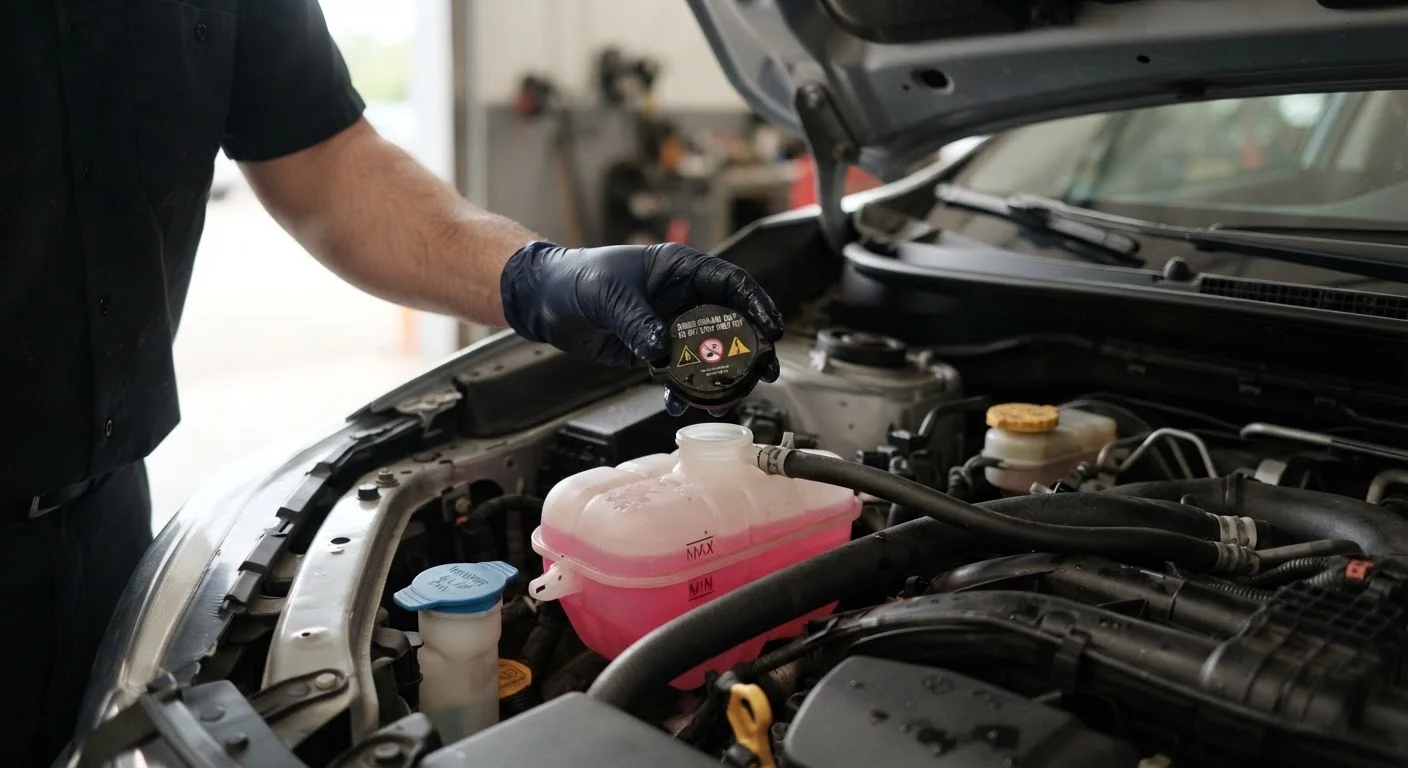
Following outdated maintenance myths doesn't just waste money on unnecessary services - it can lead you to skip things that actually matter. Drivers who focus too much on oil changes every 3,000 miles sometimes neglect brake inspections, coolant checks, or transmission fluid. Other vehicle fluids deserve just as much attention as engine oil, yet they're often ignored because no one put a reminder sticker on the windshield for them.
There's also a financial angle. Unnecessary services add up over the life of a vehicle. Putting that money toward genuinely needed maintenance - or into savings - makes more sense. For a broader look at habits that actually protect your car, see habits worth building early.
~$0
Extra benefit from premium fuel in a standard engine
Automakers and fuel researchers consistently find no measurable performance or economy gain from premium gasoline in engines not designed for it.
7,500-10,000 mi
Typical modern oil change interval with synthetic oil
Many automakers now specify these longer intervals in their official maintenance schedules, replacing the outdated 3,000-mile rule.
A Flashing Check Engine Light Needs Prompt Attention
Unlike a steady check engine light, a flashing or blinking light typically indicates an active engine misfire. Continuing to drive can cause serious and expensive damage to the catalytic converter. Pull over safely when it's appropriate to do so and have the vehicle inspected as soon as possible.