Why Maintenance Knowledge Matters
Owning a car is one of the bigger financial commitments most people make, yet many new drivers hand it over to a mechanic and hope for the best. That's understandable - cars can feel complicated. But you don't need to be a mechanic to stay on top of your vehicle's health. A basic grasp of what needs checking, and when, helps you catch small problems early, spend money more wisely, and drive with more confidence.
Think of it this way: the more you understand your car, the less likely you are to be caught off guard by a breakdown or an unexpected repair bill. This guide walks you through the fundamentals - no prior knowledge required. For a deeper look at the financial side of ownership, see our overview on car ownership basics.
35%
Of roadside breakdowns are preventable
Industry estimates from roadside assistance providers suggest a large proportion of callouts involve issues like flat tyres, dead batteries, and low fluids - all detectable with routine checks.
4/32"
Recommended minimum tyre tread depth
Safety organisations including AAA recommend replacing tyres at 4/32 of an inch, well before the 2/32-inch legal minimum in most US states.
~20 min
Time needed for basic home car checks
A walk-around covering tyre pressure, fluid levels, lights, and wipers can typically be completed in under 20 minutes without any specialist tools.
Oil: The Most Important Fluid in Your Car
Engine oil lubricates the hundreds of moving metal parts inside your engine. Without it, those parts grind against each other and wear out fast. Low or degraded oil is one of the most common causes of serious engine damage - and most of it is entirely avoidable.
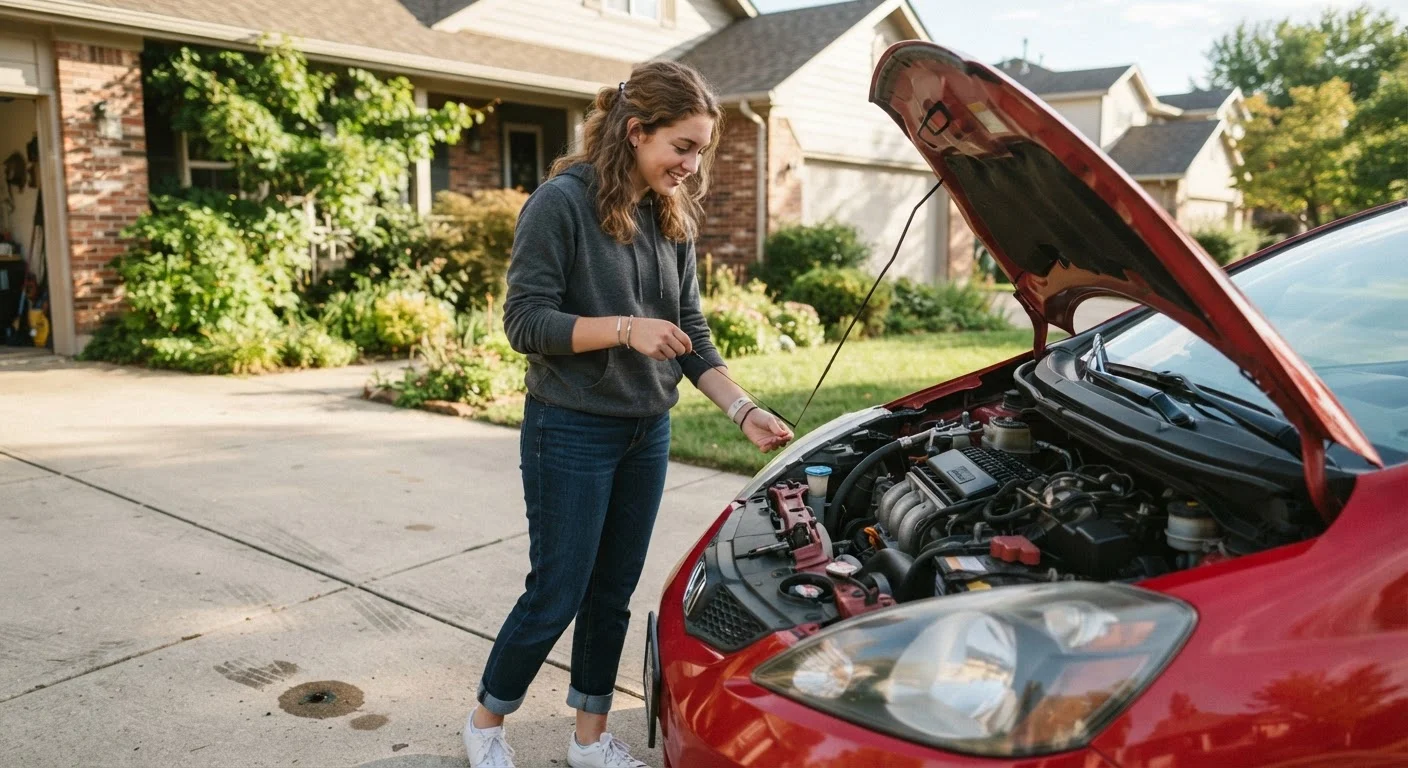
Check your oil level using the dipstick (usually a brightly coloured handle near the engine). Pull it out, wipe it clean, reinsert it fully, then pull it out again and read the level. It should sit between the minimum and maximum markers. If it's low, top it up with the grade specified in your owner's manual - not just any oil from the shelf.
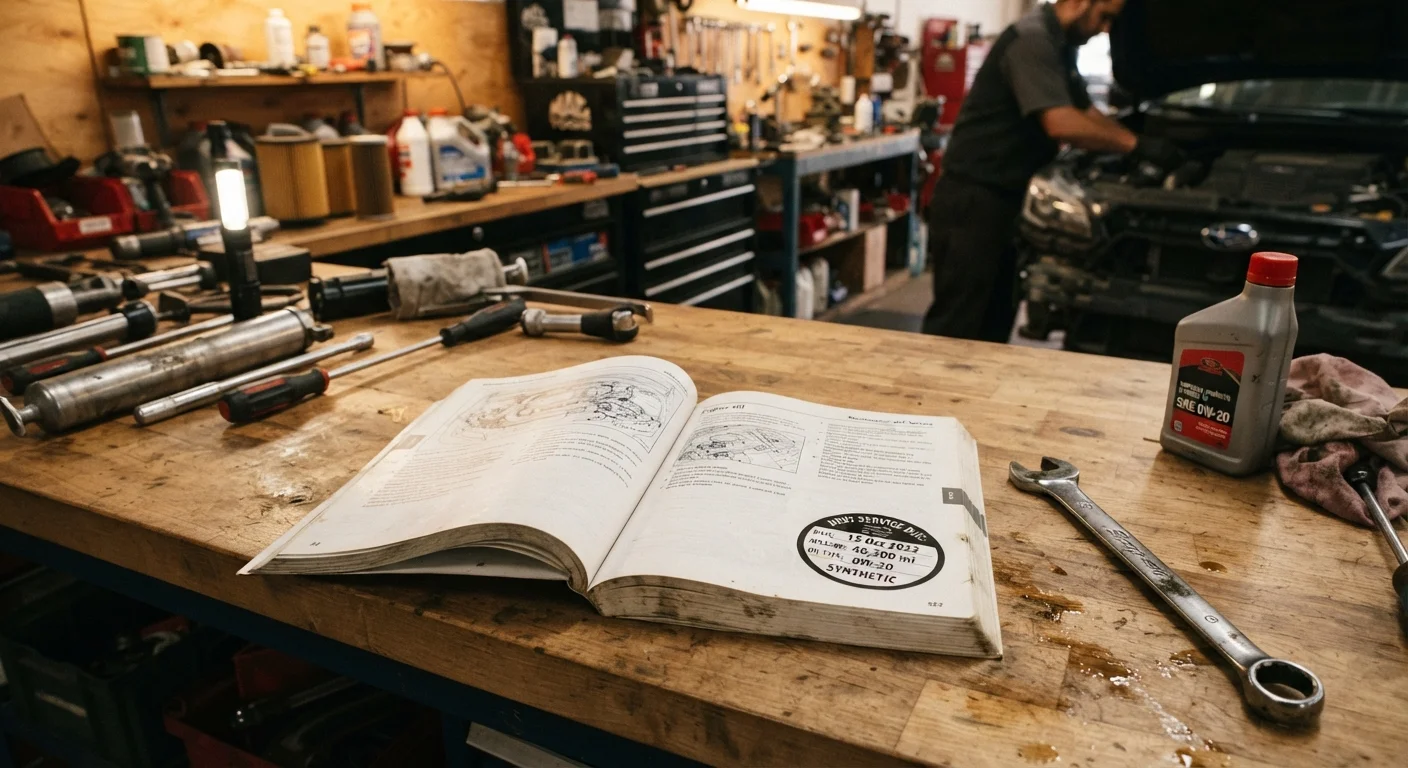
How often you need an oil change depends on your car, the oil type, and how you drive. Many modern cars with synthetic oil can go 7,500-10,000 miles between changes, but some older vehicles still call for shorter intervals. Your owner's manual is the definitive source. For a myth-check on common advice you may have heard, see car maintenance myths.
Always check your oil when the engine has been off for at least five minutes. This lets the oil drain back into the sump and gives you a true reading.
Checking immediately after driving can give a falsely low reading because oil is still circulating through the engine.
Store a tyre pressure gauge in your glovebox and get in the habit of checking pressure on the first of each month - it takes less than two minutes.
Tyres naturally lose around 1 PSI per month, and temperature drops in autumn and winter accelerate this. A consistent schedule catches problems before they affect safety or fuel economy.
Tyres: Safety Starts at the Road
Your tyres are the only part of the car actually touching the road, which makes their condition directly tied to how safely your car brakes, steers, and handles in wet conditions. There are two things to check regularly: tyre pressure and tread depth.
Pressure: Under-inflated tyres increase fuel consumption, wear unevenly, and can overheat at speed. The correct pressure for your vehicle (measured in PSI or bar) is printed on a sticker inside the driver's door jamb or in your owner's manual - not on the tyre sidewall, which shows the maximum pressure. Check pressure when the tyres are cold, ideally once a month and before any long journey.
Tread depth: In the US, the legal minimum tread depth is 2/32 of an inch, but safety organisations generally recommend replacing tyres at 4/32 of an inch. A quick check: insert a penny into the tread groove with Lincoln's head facing down. If you can see the top of Lincoln's head, your tread is at or below 2/32 - time to replace. Also visually inspect for cracks, bulges, or embedded objects.
Don't Ignore Tyre Pressure Warnings
Driving on significantly under-inflated tyres - even if they don't look flat - raises the risk of a blowout, particularly at highway speeds. If your car's tyre pressure monitoring system (TPMS) warning light comes on, find a safe place to stop and check the pressure before continuing. A slow leak or damaged valve can cause a tyre to drop pressure quickly.
Other Fluids and Filters You Should Know
Beyond engine oil, your car relies on several other fluids that need periodic attention:
- Coolant (antifreeze): Keeps the engine from overheating. Check the level in the translucent reservoir under the hood. Never open the radiator cap when the engine is hot.
- Brake fluid: Low or discoloured brake fluid can affect braking performance. The reservoir is usually near the back of the engine bay. If the level drops noticeably between checks, have a mechanic investigate.
- Transmission fluid: In automatic vehicles, this lubricates the gearbox. Some cars have a dipstick for this; others are sealed and require a workshop visit to check.
- Power steering fluid and windshield washer fluid: Both are easy to check and top up yourself.
Filters also need replacing on a schedule. Your engine air filter keeps dust and debris out of the engine; a clogged one reduces performance. Your cabin air filter affects the air quality inside the car. Both are often straightforward swaps - check your manual for intervals.
Lights, Wipers, and the Checks You Can Do Yourself
A surprising number of roadside stops and citations involve burned-out bulbs or worn wiper blades - both easy to catch with a regular walk-around. Walk around your car periodically and check that all lights work: headlights (low and high beam), brake lights, turn signals, and reverse lights. Replacing a bulb is often a straightforward job, though some modern vehicles with sealed units may need a workshop visit.
Wiper blades should clear your windshield cleanly in a single pass. If they streak, chatter, or skip, they're past their best. Most blades are rated for six months to a year and are simple to replace at home.
For a structured list of checks you can complete in under 20 minutes - no special equipment needed - see our guide on DIY car checks you can do without any special tools.
Build a Simple Maintenance Log
Keep a small notebook in the glovebox or use your phone to note the date and mileage each time you check fluids, change a bulb, or have a service done. This habit takes seconds but gives you a clear picture of your car's history - and makes it easier to spot anything that's overdue.
Scheduled Servicing: What It Covers and When
Even if you stay on top of your own checks, scheduled servicing by a qualified mechanic is still essential. A service typically includes an oil and filter change, a multi-point inspection of brakes, suspension, belts, and hoses, plus any items flagged in your vehicle's service schedule.
Most manufacturers outline a minor service (oil, filters, fluid top-ups) and a major service (everything in a minor, plus spark plugs, timing belt inspection, and more). The intervals vary - commonly every 12 months or every 10,000-15,000 miles, whichever comes first - but always defer to your owner's manual or manufacturer's guidance.
Keeping up with scheduled services also matters if your car is still under a manufacturer's warranty: missed services can void coverage. Keep records of every service, either in a physical logbook or digital format - this history also adds value when you sell the car.
When to Call a Mechanic
Knowing your limits is just as important as knowing what you can handle yourself. There are warning signs that always warrant a professional look:
- Dashboard warning lights: A check engine light, oil pressure warning, or temperature gauge in the red are not things to ignore or reset without understanding the cause.
- Unusual noises: Grinding when braking, knocking from the engine, or clunking over bumps all point to specific problems a mechanic can diagnose.
- Pulling or vibration: If the car pulls to one side under braking or the steering wheel vibrates at speed, have the brakes and wheel balance checked.
- Fluid puddles under the car: Any leak - oil, coolant, or brake fluid - should be investigated promptly.
Don't delay on safety-critical systems like brakes, steering, and suspension. If something feels wrong, it's always better to have it checked. Safe driving habits and a well-maintained car go hand in hand - explore our driving and safety hub for further guidance.
This article provides general educational information about vehicle maintenance. Always consult your vehicle's owner's manual and, where appropriate, a qualified mechanic for guidance specific to your car.