Why Other Fluids Get Overlooked
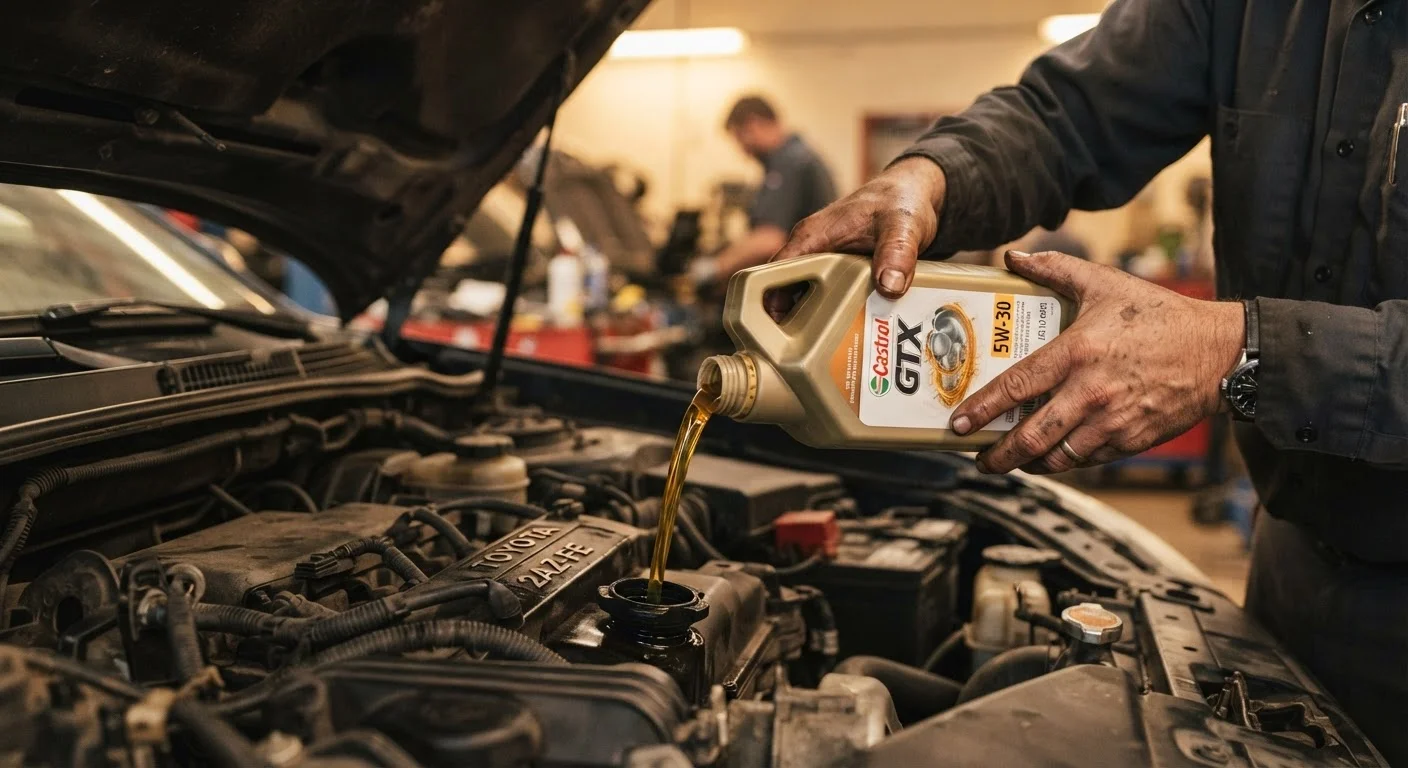
Most drivers know they need to change their engine oil. Oil change reminders are built into dashboards, stickered on windshields, and covered at nearly every service visit. But a car uses five or six different fluids - and the others rarely get the same attention until something goes wrong.
Neglecting these fluids doesn't usually cause immediate drama. Instead, it leads to gradual wear, reduced safety, or expensive repairs that could have been avoided. This guide covers the fluids most commonly overlooked, what they actually do, and how to stay on top of them. For a broader introduction to keeping a car in shape, see this complete overview for new drivers.
| Number of key fluids in most cars | 5-6 |
| Typical coolant replacement interval | 30,000-50,000 miles (Varies by vehicle and coolant type; check owner's manual) |
| Common transmission fluid service range | 30,000-60,000 miles (Varies significantly by manufacturer and driving conditions) |
| Recommended brake fluid replacement | Every 2 years (Or per manufacturer's mileage interval) |
| Windshield washer fluid safe substitute | None - use rated washer fluid only |
The Fluids That Matter Most (After Oil)
Coolant (Antifreeze)
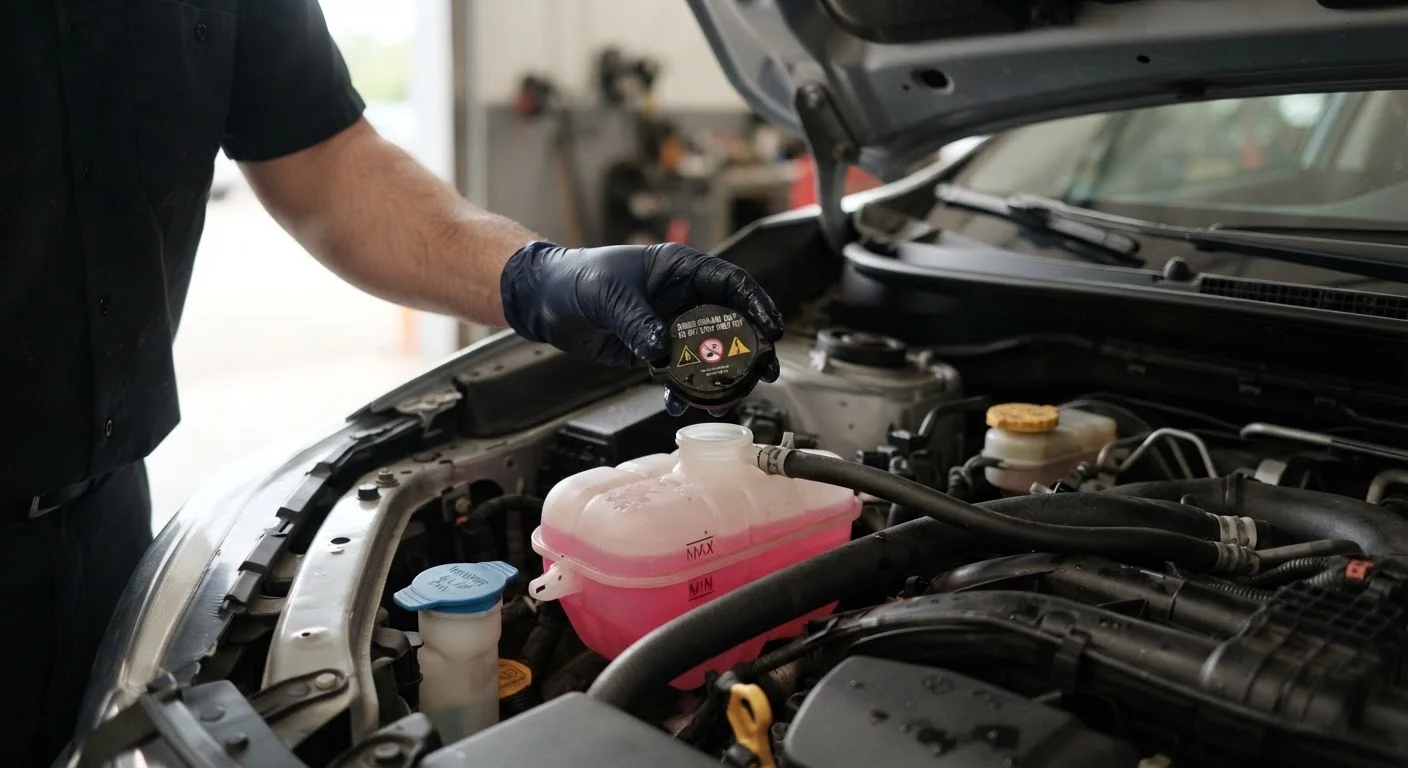
Coolant circulates through your engine to absorb heat and carry it to the radiator, where it disperses. Without it, your engine overheats within minutes. Coolant also prevents freezing in cold climates and protects metal components from internal corrosion. Over time, the additives in coolant break down and the fluid becomes acidic, which can damage hoses, seals, and the radiator itself. Most manufacturers recommend flushing and replacing coolant every 30,000 to 50,000 miles, though some long-life formulas last longer - always check your owner's manual.
Transmission Fluid
Automatic transmissions use hydraulic fluid to shift gears, lubricate moving parts, and manage heat. When this fluid breaks down or runs low, shifting becomes rough or delayed, and internal components wear faster. Many people assume transmission fluid lasts forever - it doesn't. Depending on the vehicle and driving conditions, a fluid change or inspection every 30,000 to 60,000 miles is a common guideline, though some sealed transmissions have different service intervals specified by the manufacturer. If you notice hesitation when shifting or a burning smell, have the fluid checked promptly.
Brake Fluid
Brake fluid transmits the force from your foot on the pedal to the brake components at each wheel. It's hygroscopic, meaning it absorbs moisture from the air over time. As water content increases, the fluid's boiling point drops - under heavy braking, it can boil, creating gas bubbles that compress instead of transferring force. That's called brake fade, and it's a safety hazard. Most manufacturers recommend replacing brake fluid every two years or per mileage intervals in your owner's manual.
Power Steering Fluid
On vehicles with hydraulic power steering, this fluid keeps the steering assist system working smoothly. Low or contaminated fluid can cause stiff steering, whining noises when turning, or erratic handling. Note that many newer vehicles use electric power steering and don't have this fluid at all - check your owner's manual to confirm which system your car uses.
Windshield Washer Fluid
Often dismissed as trivial, washer fluid is a direct safety item. Running out of it when your windshield is covered in road grime or bug splatter reduces visibility in seconds. Never substitute plain water - it freezes in winter and can leave mineral deposits on the glass and nozzles. Use a washer fluid rated for your region's lowest temperatures.
Coolant (Antifreeze)
A liquid mixture - typically water and ethylene glycol - that circulates through the engine to regulate temperature, prevent freezing, and inhibit corrosion inside the cooling system.
Transmission Fluid
A specialized lubricant and hydraulic fluid used in automatic transmissions to enable smooth gear shifts, cool internal parts, and reduce friction and wear.
Hygroscopic
The tendency of a substance to absorb moisture from the surrounding air. Brake fluid is hygroscopic, which causes it to degrade over time and lower its boiling point.
Brake Fade
A temporary reduction in braking effectiveness that occurs when brake fluid boils due to excessive heat, creating compressible gas bubbles in the lines rather than solid hydraulic pressure.
Coolant Flush
A maintenance procedure in which old, degraded coolant is drained from the cooling system and replaced with fresh fluid, typically also cleaning out deposits in the process.
How to Keep Track Without Becoming a Mechanic
You don't need a workshop or specialized training to stay on top of these fluids. Most reservoirs are clearly labeled under the hood with icons or color-coded caps. A quick visual check of fluid levels - most have MIN and MAX markers on a translucent reservoir - takes less than five minutes. DIY car checks you can do without any special tools walks through exactly this kind of inspection.
Your Owner's Manual Is the Final Word
Generic service interval guidelines are a starting point, not a rule. Manufacturer recommendations account for your specific engine, transmission type, and fluid formulations. Driving habits - such as frequent towing, stop-and-go city traffic, or extreme temperatures - can shorten recommended intervals further. When in doubt, ask a qualified mechanic to assess the fluid's actual condition.
Color can also tell you something. Fresh coolant is typically bright green, orange, pink, or blue depending on the formula. Brown or rusty coolant has degraded. Transmission fluid is usually red or pink when fresh; if it's dark brown and smells burnt, it needs attention. Brake fluid ranges from clear to light yellow when fresh and darkens with age and moisture absorption.
The most reliable source for service intervals is always your owner's manual - not general internet rules of thumb, which vary widely by vehicle. If you don't have the manual, most manufacturers publish them online by make, model, and year. Pair that habit with understanding your engine oil choices and you'll have a solid foundation for routine maintenance.
This article is for general informational purposes. Always follow your vehicle manufacturer's guidelines for service intervals and consult a qualified mechanic if you notice signs of fluid problems.