
The Coverage Types You'll See on Every Policy
Car insurance policies bundle several distinct coverage types together, and each one does a different job. Here is a plain breakdown of the most common ones.
Liability Coverage
This is the foundation of almost every U.S. auto policy and is legally required in nearly all states. If you cause an accident, liability coverage pays for the other person's medical bills and property damage - not yours. It does not pay to repair your own vehicle. Policies list liability as two components: bodily injury liability and property damage liability.
Collision Coverage
Collision pays to repair or replace your vehicle after it is damaged in an accident with another car or object - a guardrail, a pole, another vehicle - regardless of who caused the crash. It is typically optional unless your lender requires it. See our auto loan basics guide to understand why lenders often mandate this coverage while you are still paying off your vehicle.
Comprehensive Coverage
Despite the name, comprehensive is not "everything." It specifically covers non-collision damage: theft, vandalism, hail, flooding, fire, falling trees, and animal strikes. If a deer runs into your car or a hailstorm dents your roof, comprehensive is what pays.
Check Your Declarations Page First
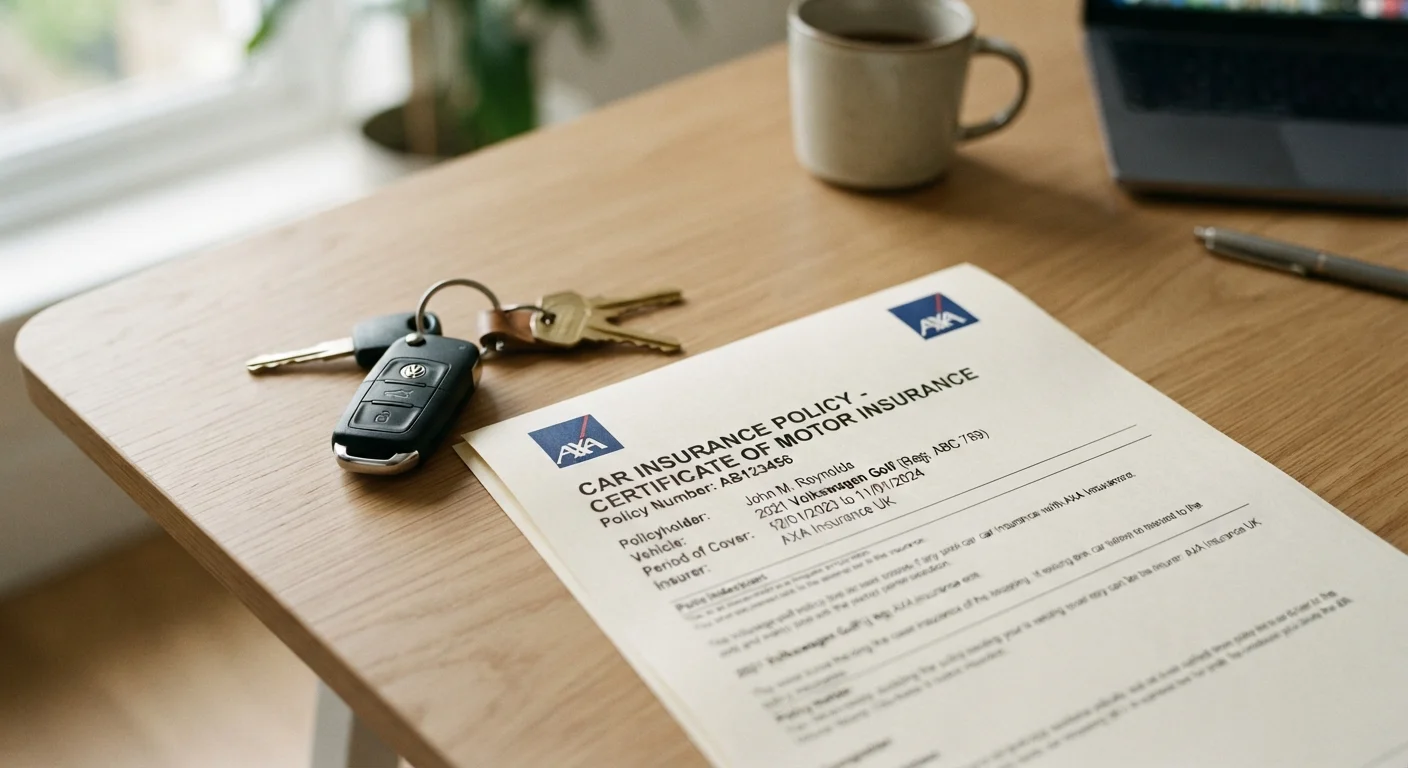
Your declarations page (often called the "dec page") is the one- or two-page summary at the front of your policy. It lists every coverage type you have, the limits for each, and your deductibles. If you want a quick answer to "what am I actually covered for?", that is where to look - no need to read the full policy document.
Protections That Are Easy to Overlook
Beyond the three core types, most insurers offer additional coverages that are worth understanding before you decide whether to add them.
Uninsured and Underinsured Motorist Coverage
If you are hit by a driver who has no insurance - or not enough - this coverage steps in to pay your medical bills and, in some states, vehicle repairs. Given that a significant share of drivers on U.S. roads carry minimum or no coverage, this protection can matter more than many drivers realize.
~14%
U.S. drivers estimated to be uninsured
The Insurance Research Council has periodically estimated that roughly one in seven drivers on U.S. roads carries no insurance.
50
Different state minimum coverage laws
Every U.S. state sets its own minimum liability requirements, meaning the legally required coverage in one state may be inadequate in another.
Medical Payments / Personal Injury Protection (PIP)
Medical payments (MedPay) and Personal Injury Protection (PIP) cover medical expenses for you and your passengers after an accident, regardless of fault. PIP is broader in most states and can also cover lost wages. PIP is mandatory in no-fault states, where your own insurer pays your medical costs first regardless of who caused the crash.
Gap Insurance
If your car is totaled and you owe more on your loan than the vehicle is worth, standard insurance pays only the car's current market value - leaving you responsible for the difference. Gap insurance covers that shortfall. It is particularly relevant for new cars, which lose value quickly.
What Car Insurance Does Not Cover
Exclusions are just as important as coverages. Standard auto policies generally do not cover:
- Mechanical breakdowns - normal wear, engine failure, or parts that simply wear out over time
- Personal belongings inside the car - a stolen laptop from your back seat falls under renters or homeowners insurance, not auto
- Using your car for rideshare or delivery - this typically voids personal coverage; commercial or rideshare endorsements are required
- Intentional damage - damage you cause deliberately is not covered
- Racing or off-road use - using a standard-registered vehicle in competition or on tracks is typically excluded
Always read the exclusions section of your policy, not just the coverage summary page. That is where the real limits appear.
State Laws Vary Significantly
Insurance requirements differ from state to state. Some states require PIP; others do not. Some mandate uninsured motorist coverage; others only require insurers to offer it. Always verify which coverages are legally required where you are registered, using your state's department of motor vehicles or insurance commissioner website.
For context on how exclusions work across other types of insurance, see our overview on how travel insurance policies are structured - many of the same principles apply.
This article is for general informational purposes only and does not constitute personalized insurance or financial advice. Coverage requirements vary by state. Consult a licensed insurance professional to understand the options best suited to your situation.