
Why Nutrition Feels So Confusing
One week eggs are a superfood; the next they are a concern. Fat was vilified for decades, then celebrated. It is no wonder so many people feel lost before they even start. The good news: most of that noise comes from how nutrition research gets covered in media - isolated studies amplified as breakthroughs - rather than from genuine scientific uncertainty about the basics.
Core nutrition science is actually quite stable. Experts broadly agree on the fundamentals: eat plenty of vegetables and fruits, choose whole grains over refined ones, include quality protein sources, and limit heavily processed foods. The confusion lives in the details and the headlines, not the foundation.
Starting with that foundation - rather than the latest trending diet - is the most useful thing a beginner can do.
Macronutrients
The three main categories of nutrients - carbohydrates, proteins, and fats - that supply your body with energy and the raw materials it needs to function.
Micronutrients
Vitamins and minerals that your body needs in small amounts to carry out essential processes like immune function, bone health, and energy production.
Whole Foods
Foods that are minimally processed and close to their natural state, such as vegetables, fruits, whole grains, legumes, nuts, and seeds.
Dietary Fiber
A type of carbohydrate found in plant foods that your body cannot fully digest. Fiber supports digestive health and helps you feel satisfied after eating.
Nutrient Density
A measure of how many beneficial nutrients a food provides relative to its calorie content. Foods high in nutrients and lower in empty calories are described as nutrient-dense.
The Building Blocks: Macronutrients Explained
Every food you eat is made up of some combination of three macronutrients: carbohydrates, proteins, and fats. Your body needs all three to function well.
- Carbohydrates are your body's primary fuel source, especially for your brain and muscles. Whole-food carbohydrates - found in vegetables, fruits, whole grains, and legumes - also deliver fiber, which supports digestive health and helps you feel full.
- Proteins are the raw material your body uses to build and repair tissues, make enzymes and hormones, and support immune function. Good sources include lean meats, poultry, fish, eggs, dairy, beans, lentils, tofu, and tempeh.
- Fats support brain health, help your body absorb certain vitamins (A, D, E, and K), and provide long-lasting energy. Unsaturated fats - found in foods like nuts, seeds, avocado, and olive oil - are generally emphasized in dietary guidelines, while trans fats are widely recommended to minimize.
No single macronutrient is the enemy. The goal is choosing high-quality sources of each and eating them in reasonable proportions.
Balance Across the Day, Not Each Meal
You do not need every meal to be perfectly proportioned. If breakfast is light on protein, aim to include a good source at lunch. Thinking about balance across the day - rather than meal by meal - makes healthy eating feel far less rigid and more achievable.
Micronutrients: Small Nutrients, Big Impact
Micronutrients are vitamins and minerals your body needs in smaller amounts than macronutrients, but they play enormous roles. Vitamin C supports immune function. Iron helps carry oxygen in the blood. Calcium and vitamin D maintain bone strength. B vitamins are involved in energy metabolism.
The practical takeaway for beginners is simple: eating a wide variety of whole foods is the most reliable way to cover your micronutrient bases. Highly restrictive diets or eating from a very narrow range of foods can leave gaps over time.
Variety Is Your Best Nutritional Insurance
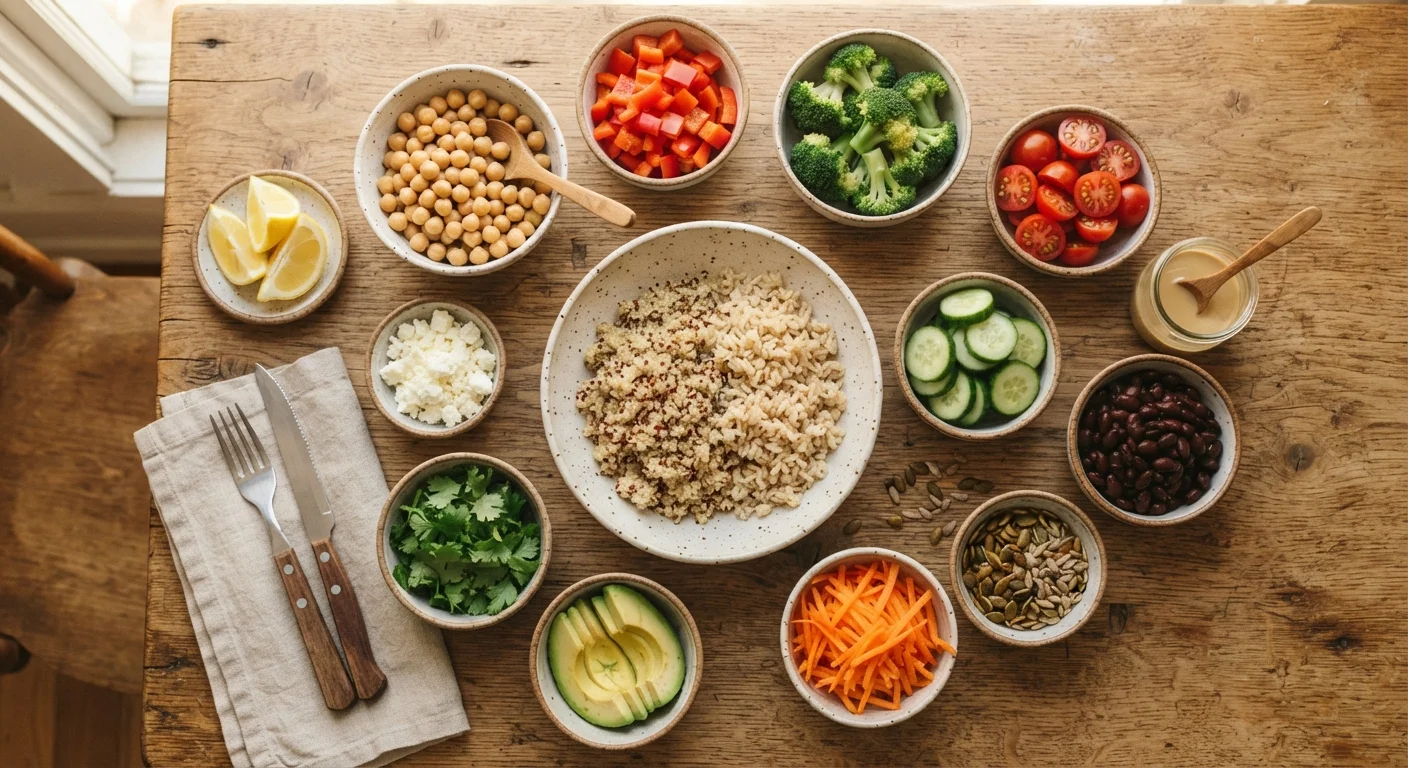
Different colored fruits and vegetables tend to contain different vitamins and antioxidants. Eating a range of colors across the week - greens, oranges, reds, purples - is a practical shorthand for covering a broad spectrum of micronutrients without needing to track each one individually.
Supplements can fill specific, identified deficiencies - but they are not a substitute for a varied diet, and more is not always better. If you suspect you have a nutritional deficiency, speak with a healthcare provider before starting supplements.
How to Start Eating Better Without Overhauling Everything
The most sustainable approach to better nutrition is gradual, not dramatic. Research consistently shows that small, specific behavior changes are more likely to stick than sweeping diet overhauls.
Here are some beginner-friendly starting points:
- Add before you subtract. Focus on bringing more vegetables, fruits, and whole grains into meals you already enjoy before worrying about what to eliminate.
- Make water your default drink. Replacing sugary beverages with water is one of the highest-impact, lowest-effort changes most people can make.
- Cook at home more often. Home-cooked meals generally contain less sodium, added sugar, and saturated fat than restaurant or heavily processed options - and give you full control over ingredients.
- Read food labels simply. Look at the ingredient list first: a shorter list of recognizable ingredients is usually a good sign. The nutrition facts panel can help you compare options.
Once you have a few basic habits in place, you may be ready to think about longer-term eating patterns. Our guide on sustainable eating habits for beginners picks up exactly where this article leaves off.
MyPlate (USDA)
The U.S. Department of Agriculture's MyPlate resource offers visual, beginner-friendly guidance on food group proportions and general eating patterns based on federal dietary guidelines.
Dietary Guidelines for Americans
Published jointly by the USDA and HHS, this evidence-based resource outlines core nutrition recommendations for the general U.S. population and is updated every five years.
Academy of Nutrition and Dietetics - Find an Expert
The Academy of Nutrition and Dietetics provides a directory to help you locate a registered dietitian nutritionist (RDN) near you for personalized, professional nutrition guidance.
This article is for general informational and educational purposes only and is not a substitute for professional medical or dietary advice. Always consult a qualified healthcare professional or registered dietitian for guidance tailored to your personal health situation.