
What a 'Routine Anchor' Actually Means
A routine anchor is a predictable block of habits attached to a fixed point in your day - either the moment you wake up or the period before you sleep. Anchors work because your brain loves patterns: repeat the same sequence often enough and it requires less willpower to start. Think of it less as a rigid schedule and more as a gentle cue that tells your mind and body what mode to enter.
Neither morning nor evening routines require an overhaul of your life. The goal is to identify one reliable window where you can invest ten to thirty minutes in your own wellbeing - consistently. That consistency is what separates a habit from a one-off good intention. If you're new to building sustainable habits, habit stacking is a practical approach worth exploring alongside either anchor.
Morning Routines: Pros, Limitations, and Who They Suit
A morning routine works by creating a protected zone before the day's demands arrive. Research in behavioural psychology suggests that willpower and decision-making quality tend to be higher earlier in the day for most people - meaning the habits you want to build are easier to start before your mental resources are depleted.
Common morning anchors include light movement or stretching, five minutes of journaling or gratitude reflection, a nourishing breakfast, or a brief mindfulness practice. The key is choosing actions that feel genuinely restorative, not impressive-sounding tasks you'll dread.
Limitations to consider: Morning routines demand earlier wake times, which can backfire for natural night owls or parents of young children whose mornings are inherently unpredictable. Forcing an early routine when you're chronically sleep-deprived can do more harm than good - sleep debt affects mood and cognitive function in ways that no amount of journaling can offset.
| Criterion | Morning Routine | Evening Routine |
|---|---|---|
| Primary benefit | Sets intention, builds momentum | Improves sleep, reduces stress |
| Best chronotype fit | Early birds | Night owls or flexible types |
| Ease of protection | Moderate - requires earlier wake-up | Moderate - requires guarding evenings |
| Visible results timeline | Days to a week | Two to four weeks |
| Biggest risk | Sleep sacrifice for early start | Social or work encroachment |
| Ideal anchor activities | Movement, journaling, mindful breakfast | Reading, stretching, screen-free wind-down |
| Impact on sleep quality | Indirect (via consistent wake time) | Direct (via nervous system regulation) |
Evening Routines: Pros, Limitations, and Who They Suit
An evening routine is built around one primary goal: transitioning your nervous system from active to restful. When you signal consistently that the day is winding down - through lower lighting, reduced screen stimulation, gentle movement, or a calming activity - your body begins producing melatonin more reliably and your sleep quality tends to improve.
This matters more than many people realise. Quality sleep affects everything from immune function and emotional regulation to metabolic health and memory consolidation. Our article on what prioritising rest actually does for your body explores those downstream effects in plain detail.
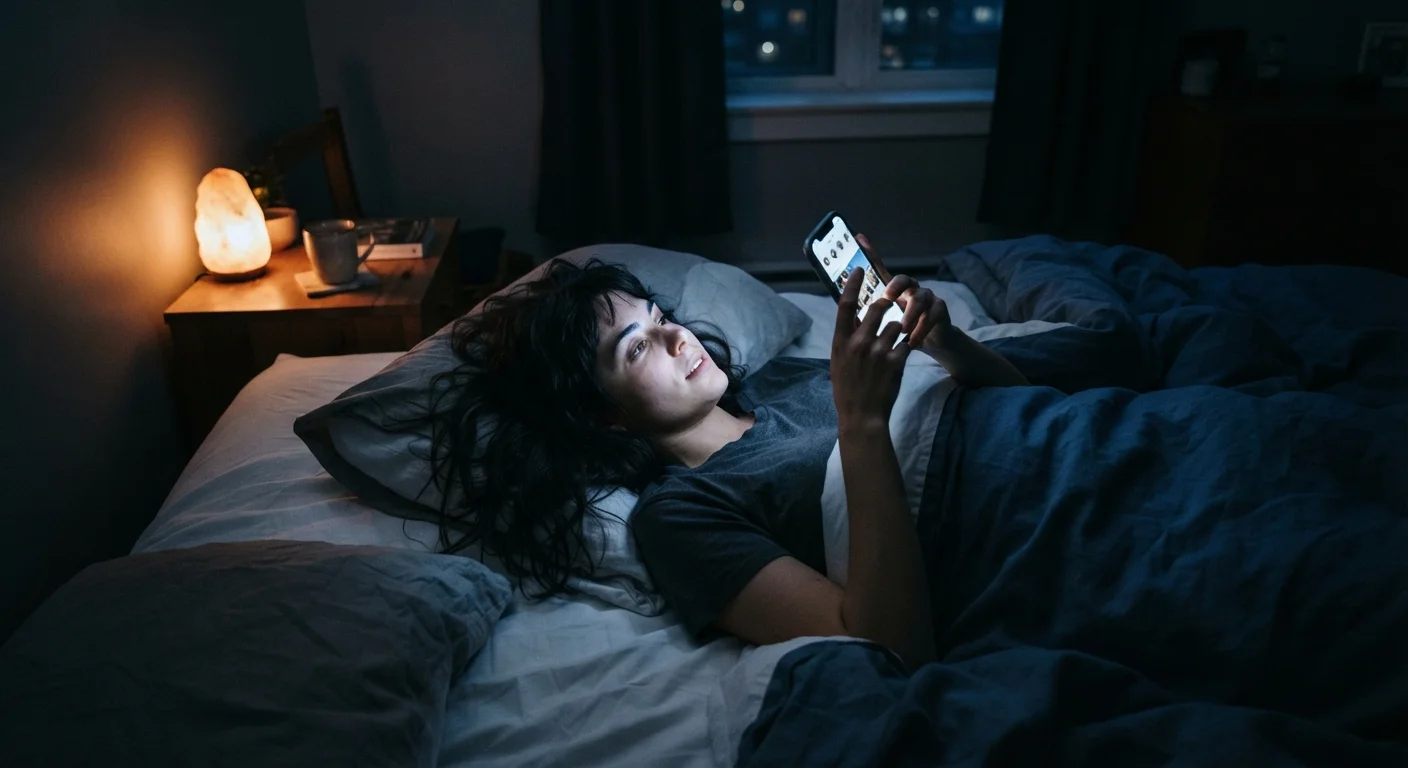
Practical evening anchors include a device-free buffer of 30-60 minutes before bed, a consistent bedtime, light reading, gentle stretching, or a brief body-scan relaxation practice. One common pitfall is screens: the pattern between evening screen habits and sleep disruption is well-documented, and understanding how screen time interacts with sleep can help you make targeted adjustments.
Limitations to consider: Evening routines require protecting your nights from late work, social engagements, or streaming sessions - which isn't always straightforward. They also take a few weeks before sleep improvements become noticeable, so patience is essential.
35%
US adults sleeping less than 7 hours nightly
According to the CDC, roughly 1 in 3 American adults regularly gets less sleep than recommended for their age group.
66 days
Average time for a new habit to become automatic
A study published in the European Journal of Social Psychology (Lally et al., 2010) found habit formation takes anywhere from 18 to 254 days, with 66 days as the median.
30-60 min
Recommended screen-free buffer before sleep
Sleep researchers commonly suggest avoiding bright screens for at least 30 to 60 minutes before bed to support natural melatonin production.
Choosing Your Anchor: Key Questions to Ask Yourself
There is no single correct answer, but these questions can point you in a useful direction:
- What is your natural chronotype? If you feel genuinely alert in the morning without an alarm, a morning routine may feel effortless. If your energy peaks in the evening, fight that tendency and you'll burn out quickly.
- Where does your stress currently concentrate? If mornings feel chaotic, adding structure there can reduce anxiety. If you struggle to switch off at night, an evening routine addresses the root cause.
- What is your biggest wellbeing gap right now? Poor sleep? An evening anchor is likely the higher-leverage choice. Low motivation or scattered focus? A morning routine may deliver more noticeable gains.
Many people discover that a light version of both - perhaps five minutes of intentional breathing each morning and a screen-free wind-down each evening - is more sustainable than an elaborate single-window routine. Use a weekly self-audit to track which habits are actually sticking and adjust from there.
Your Routine Can Evolve Over Time
What works during a low-stress season of life may not suit a period of shift work, new parenthood, or a health change. That's completely normal. Treat your routine as a living structure you revisit every few weeks rather than a fixed commitment you must maintain perfectly. Small, flexible routines tend to outlast elaborate, rigid ones - especially when life gets unpredictable.
This article is for general informational purposes only and is not a substitute for personalised medical or mental health advice. If you have concerns about sleep, anxiety, or your overall wellbeing, please consult a qualified healthcare professional.