
Why Patterns Matter More Than Perfection
Most beginners approach nutrition thinking they need a strict plan - exact meals, precise portions, zero slip-ups. That mindset usually lasts about two weeks before life gets in the way. The reality is that nutrition science consistently points to one truth: what you eat most of the time matters far more than any single meal.
Your body responds to patterns built over days, weeks, and months - not to the pizza you had on Friday or the salad you skipped on Tuesday. Shifting your focus from perfection to consistency is one of the most powerful reframes a beginner can make. It removes shame, reduces decision fatigue, and makes healthy eating feel genuinely sustainable.
Explore the Nutrition Basics hub for a broader foundation to build on as you go.
Core Practices for Everyday Eating
The habits below aren't about restriction - they're about building a reliable foundation. Start with one or two that feel manageable, and add more as they become second nature.
Eat a variety of whole foods across the week, not just within a single day.
Dietary variety ensures you get a broader range of nutrients, including vitamins and minerals your body needs in small but meaningful amounts. Aiming for variety over a whole week is more realistic and less stressful than trying to hit every food group every day. Research on dietary patterns consistently links variety with better long-term health outcomes.
Anchor each meal with at least one vegetable or fruit.
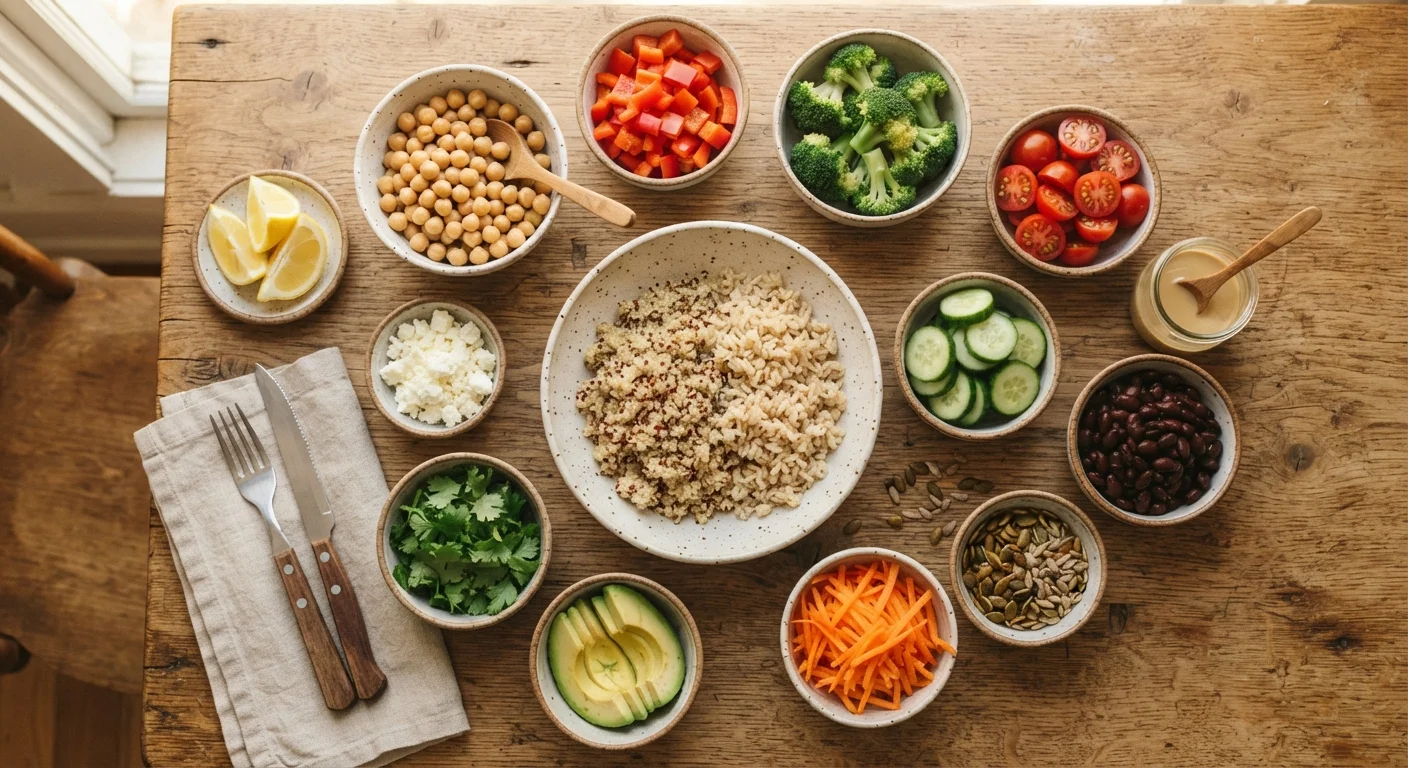
Produce provides fiber, water, and a wide range of micronutrients that support digestion, energy, and immune function. Most people under-eat plants not because they dislike them, but because they forget to include them. Treating one serving of produce as a non-negotiable anchor makes it automatic rather than aspirational.
Stay consistently hydrated throughout the day, not just when thirsty.
Thirst is a late signal - by the time you notice it, mild dehydration may already be affecting your energy and concentration. Water supports nearly every body process, and even modest dehydration can be misread as hunger. Building regular hydration into your day reduces unnecessary snacking and supports overall wellbeing.
Eat with at least some awareness - limit distracted eating when you can.
Eating while scrolling or watching TV tends to lead to less satisfaction and more unintended overeating, because your brain isn't registering the experience of the meal. You don't need to practice formal mindful eating at every meal - even occasional, phone-free meals can help you tune into hunger and fullness more reliably.
Plan loosely for the week rather than rigidly for every meal.
Having a rough idea of what you'll eat prevents the default of ultra-processed convenience options when you're tired or busy. Loose planning - knowing you have eggs, canned beans, and a few vegetables on hand - is far more sustainable than a detailed meal plan that crumbles the moment Wednesday gets hectic.
If you're curious how these habits fit into a broader daily routine, the Your First 30 Days of Building Healthy Habits offers a week-by-week framework for beginners.
Common Beginner Pitfalls to Avoid
Even well-intentioned habits can quietly work against you. Understanding where beginners commonly go wrong helps you sidestep frustration early.
The All-or-Nothing Trap
One of the most damaging beginner patterns is treating any deviation from a plan as total failure. Skipping one healthy meal doesn't undo a week of good habits - but convincing yourself it does can lead to giving up entirely. Nutrition habits are cumulative: a single imperfect day has almost no measurable impact on your long-term health. What matters is what you do consistently over weeks and months, not what happens on any given Tuesday.
Some of the most common issues - like skipping breakfast, over-relying on foods marketed as healthy, or swinging between strict eating and giving up entirely - are explored in detail in Where Good Nutrition Habits Actually Break Down.
The short version: rigid rules invite rebellion. When you eat a little of everything, move your body consistently, and stay reasonably hydrated, the details tend to take care of themselves over time.
Start Here: Quick Wins for Today
You don't need a full nutrition overhaul to feel better. These actions are low-effort and high-return - pick whichever one fits where you are right now.
Once you've built a few of these habits, a regular self-check helps you spot gaps without judgment. The Weekly Eating Habits Self-Check is a practical tool to do exactly that.
This article is for general informational purposes only and does not constitute medical or dietary advice. Speak with a registered dietitian or qualified healthcare professional before making significant changes to your eating habits, especially if you have an existing health condition.