Why Body Language Matters More Than Meows
Cats are largely silent communicators. While vocalizations like meowing do carry meaning, the majority of feline communication happens through posture, tail position, ear angle, and eye shape. Learning to read these cues accurately helps you respond to your cat's needs - and avoid misreading signals that could lead to scratches, stress, or missed signs of illness.
Body language is also context-dependent. A tucked tail paired with flattened ears means something different than a tucked tail during sleep. Always read signals together, not in isolation. For a broader look at what drives feline behavior, see our guide to common cat behaviors.
| Primary communication mode | Body language and scent (not vocalization) (American Association of Feline Practitioners) |
| Slow blink meaning | Relaxation and trust toward the recipient |
| Bottlebrush tail indicates | Intense fear or perceived threat |
| High upright tail signals | Confidence and friendly greeting |
| Flattened ears warn of | Fear or defensive aggression |
| Rapid tail lashing signals | Overstimulation - stop interaction |
Signal-by-Signal Reference Guide
Tail Signals
- Tail held high, straight up: Confidence and contentment - often a greeting from a cat who trusts you.
- Tail high with a slight curve at the tip (question mark shape): Friendly curiosity; an invitation to interact.
- Tail low or tucked between legs: Fear, anxiety, or submission. Give the cat space.
- Tail puffed out (bottlebrush): Intense fear or aggression. The cat feels threatened.
- Slow tail swish from side to side: Focused attention or mild irritation - not the same as a dog's happy wag.
- Rapid tail lashing: Overstimulation or building agitation; stop interaction immediately.
Ear Signals
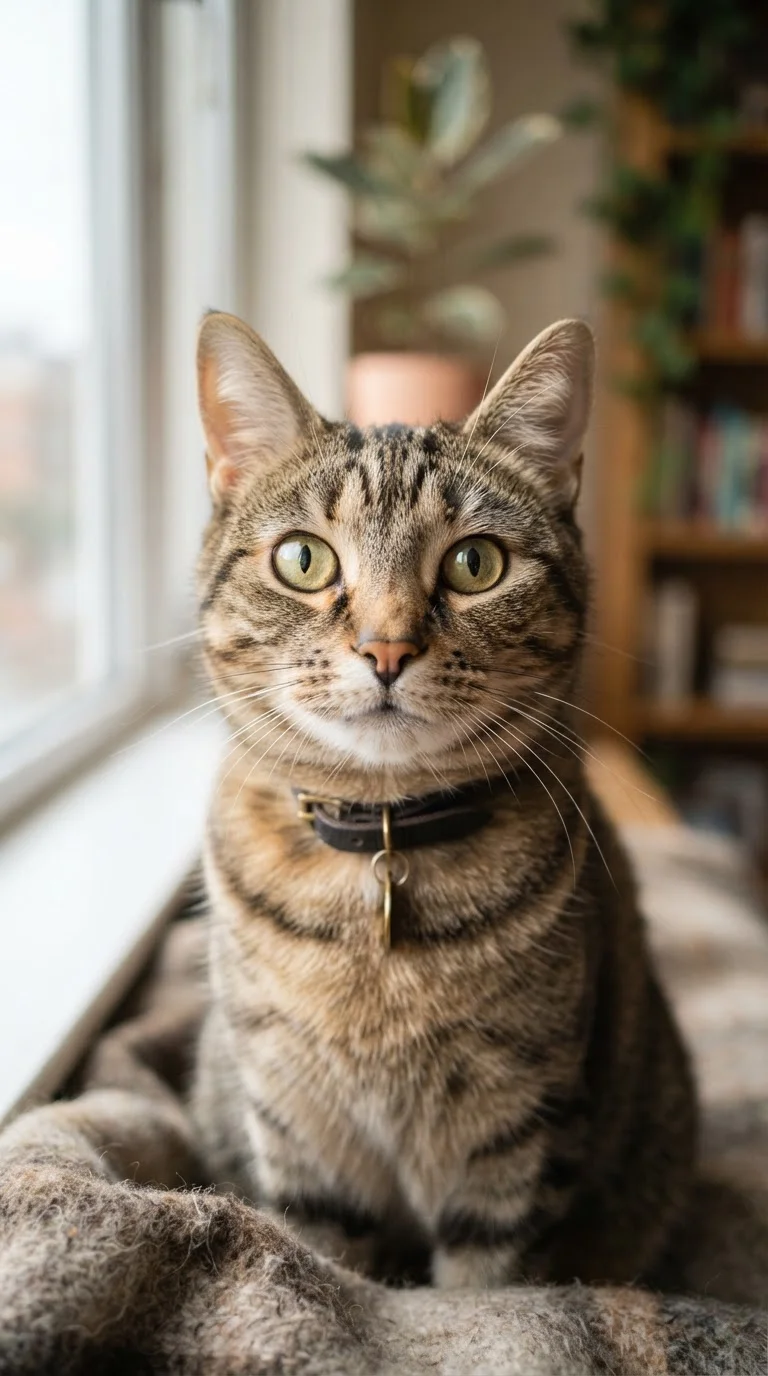
- Upright and forward-facing: Alert, engaged, and at ease.
- Rotated to the sides (airplane ears): Anxiety or irritation - a warning to back off.
- Flattened against the skull: Fear or aggression; the cat is preparing to defend itself.
Eye Signals
- Slow blink: A sign of relaxation and trust. You can slow-blink back - many cats respond positively.
- Fully dilated pupils in normal light: Excitement, fear, or overstimulation. Read alongside other signals.
- Constricted (narrow slit) pupils: Often seen in contentment, but also in high arousal. Context matters.
- Direct unblinking stare: A challenge or threat signal between cats; avoid staring back at an anxious cat.
Body Posture
- Relaxed, side-lying or belly up: High comfort and trust - not always an invitation for belly rubs.
- Crouched low, weight shifted back: Fear or readiness to flee.
- Arched back with fur raised: Defensive aggression or extreme fear.
- Head-bunting (bumping head against you): Affectionate scent-marking - a clear sign of bonding.
Piloerection
The involuntary raising of fur along the back or tail, creating a puffed appearance. In cats, it typically signals fear or extreme agitation and is triggered by the nervous system.
Slow blink
A deliberate, unhurried closing and reopening of the eyes. In cats, this is widely recognized as a signal of trust and relaxed contentment toward a person or other animal.
Head-bunting
When a cat presses its forehead or face against a person or object. This deposits scent from facial glands and is a clear sign of affection and social bonding.
Airplane ears
A colloquial term for ears rotated flat to the sides of the head, resembling airplane wings. This posture signals anxiety, irritation, or the early stages of defensive aggression.
Overstimulation
A state in which a cat has received more petting or play stimulation than it can comfortably process. Signs include rapid tail movement, skin twitching, and sudden biting or swatting.
Reading the Whole Picture
No single signal tells the whole story. A cat with dilated pupils and a puffed tail is clearly distressed. A cat with dilated pupils, a high tail, and relaxed ears may simply be mid-play. Train yourself to scan several signals at once before reacting.
Pay particular attention to changes from your cat's baseline. A normally sociable cat that suddenly crouches low, flattens its ears, or avoids eye contact may be signaling pain or illness rather than a passing mood. If behavioral shifts persist, consult your veterinarian - see our article on signs that warrant a vet visit for specific red flags to watch for.
If you share your home with multiple species, keep in mind that feline signals are genuinely different from canine ones. Our dog body language guide highlights how easily cross-species signals get misread.
Building fluency in your cat's body language takes time, but even basic awareness - recognizing an airplane ear or a lashing tail before a bite happens - makes daily interactions safer and more rewarding for both of you.