Why Vaccines Matter for Dogs
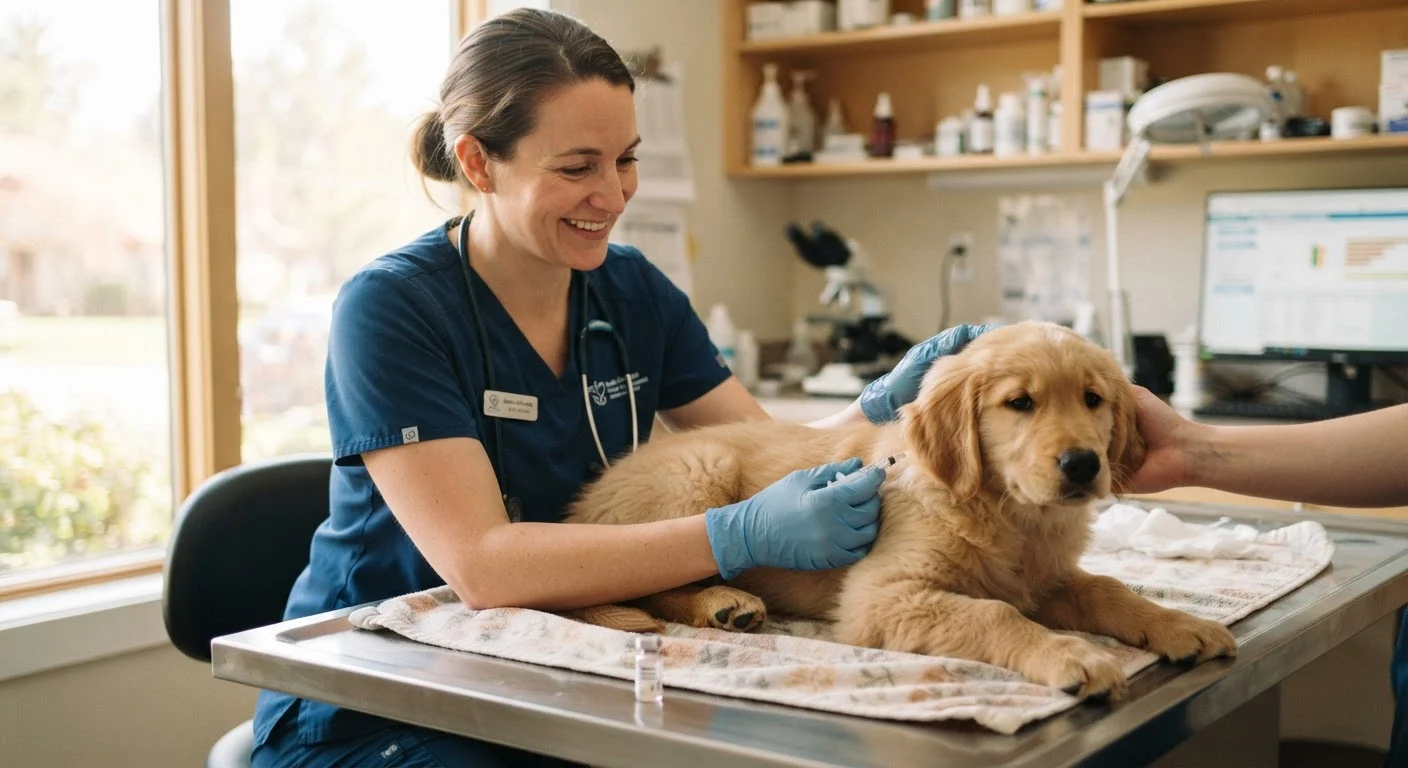
Vaccines train your dog's immune system to recognize and fight specific infectious diseases - many of which can be fatal or extremely difficult to treat once contracted. They work by introducing a harmless form of a pathogen, prompting the body to build protective antibodies without causing the actual illness.
Beyond protecting individual dogs, vaccination supports what's known as herd immunity - when enough animals in a community are vaccinated, the spread of disease slows dramatically, shielding dogs who can't be vaccinated for medical reasons. This makes vaccination a community responsibility as much as a personal one.
If you're new to dog ownership, vaccination is one of the first topics your vet will raise. For broader context on what responsible dog ownership involves, see a full overview of what owning a dog involves.
| Core vaccines (U.S.) | Distemper, parvovirus, adenovirus, rabies (American Animal Hospital Association (AAHA) Canine Vaccination Guidelines) |
| Puppy series start age | 6-8 weeks (AAHA Canine Vaccination Guidelines) |
| Rabies vaccine: legally required? | Yes, in all 50 U.S. states (American Veterinary Medical Association (AVMA)) |
| Core vaccine booster frequency (adult) | Every 1-3 years depending on vaccine type (AAHA Canine Vaccination Guidelines) |
| Common non-core vaccines | Bordetella, leptospirosis, Lyme, canine influenza (AAHA Canine Vaccination Guidelines) |
Core vs. Non-Core Vaccines: Understanding the Difference
Veterinary guidelines divide dog vaccines into two categories:
- Core vaccines are recommended for virtually every dog, regardless of lifestyle, because the diseases they prevent are widespread, severe, or pose a risk to humans. In the U.S., core vaccines include those for canine distemper, canine parvovirus, canine adenovirus (hepatitis), and rabies.
- Non-core vaccines are recommended based on your dog's individual risk factors - where you live, how much outdoor exposure they have, and whether they spend time in group settings like boarding facilities or dog parks. Common non-core vaccines include Bordetella (kennel cough), leptospirosis, Lyme disease, and canine influenza.
Your vet will assess your dog's lifestyle at each visit and recommend appropriate non-core vaccines. There's no one-size-fits-all answer - a dog who hikes in tick-heavy woods has different needs than a city apartment dog.
Core vaccine
A vaccine recommended for all dogs regardless of lifestyle because the disease it prevents is widespread, severe, or zoonotic (transmissible to humans). Examples include distemper, parvovirus, and rabies.
Non-core vaccine
A vaccine recommended only for dogs with specific lifestyle risk factors, such as exposure to wildlife, tick-endemic areas, or group boarding environments.
Maternal antibodies
Protective proteins passed from a mother dog to her puppies through milk. They offer early immunity but fade within weeks, creating a window where vaccines are needed to maintain protection.
Booster
A follow-up dose of a vaccine given after an initial series to maintain or reinforce the immune system's protective response over time.
Herd immunity
The indirect protection a community gains when a high proportion of individuals are vaccinated, reducing the overall spread of a disease to those who cannot be vaccinated.
Zoonotic disease
An illness that can be transmitted between animals and humans. Rabies is the primary zoonotic concern in canine vaccination.
Typical Vaccination Schedule
Timing matters as much as the vaccines themselves. Puppies receive antibodies from their mothers, but maternal immunity fades over time - leaving a window of vulnerability that a properly timed vaccine series is designed to close.
Puppy Series (6-16 Weeks)
Core vaccines are typically given in a series every 3-4 weeks, beginning around 6-8 weeks of age and continuing until at least 16 weeks. This is because no single early dose provides lasting immunity on its own. The rabies vaccine is usually given as a single dose between 12-16 weeks, per local law in most U.S. states.
First Adult Booster (12-16 Months)
About a year after the puppy series ends, dogs receive a booster for core vaccines. This reinforces immunity built during puppyhood.
Ongoing Adult Schedule
After the first adult booster, some core vaccines (such as distemper-parvovirus combinations) are often given every three years once immunity is confirmed. Rabies boosters follow state law - some require annual renewal, others allow a three-year vaccine. Non-core vaccines like Bordetella may require more frequent dosing, sometimes annually or even every six months for high-exposure dogs.
Note that schedules can vary based on your vet's clinical judgment, local disease risk, and the specific vaccine products used. Always defer to your veterinarian's recommendations over general timelines.
Socialization during the puppy vaccination window is a balancing act - learn more in our guide on socialising a puppy during the critical period.
What to Expect at Vaccine Appointments
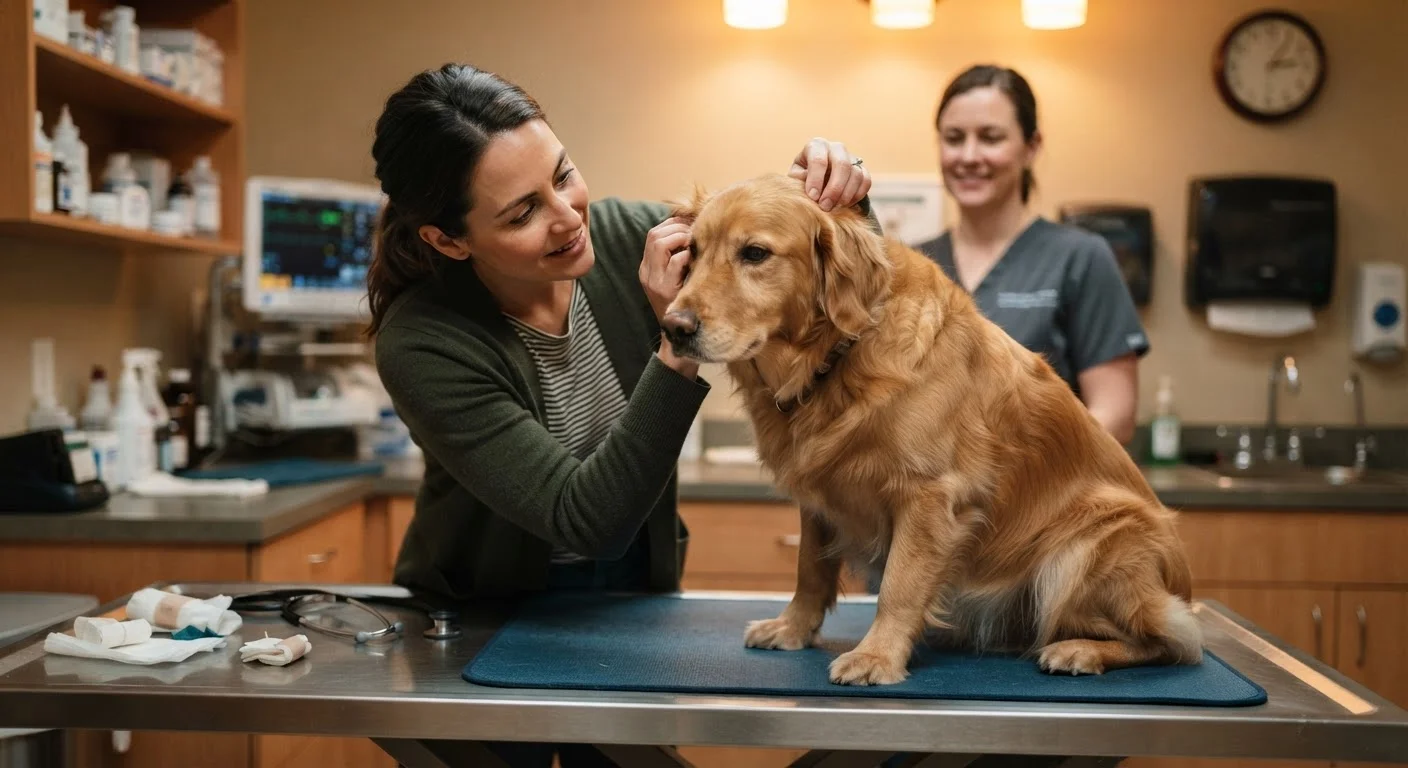
Most dogs tolerate vaccines well. Mild, short-lived reactions are normal and may include slight lethargy, low-grade fever, or soreness at the injection site for 24-48 hours. More serious reactions - such as facial swelling, vomiting, difficulty breathing, or collapse - are rare but require immediate veterinary attention.
Come to each appointment prepared to discuss any changes in your dog's health, diet, or environment, since these factors influence which non-core vaccines are appropriate. Keep a personal record of your dog's vaccination dates and products - your vet will maintain records too, but having your own copy is useful for boarding, travel, and emergencies.
If your dog shows signs of illness around vaccine time, your vet may recommend delaying certain vaccines. Never skip a vet visit for this reason without consulting them first. For guidance on recognizing when your dog needs urgent attention, see signals that your dog may need a vet visit.
Vaccination Records Are Worth Keeping
U.S. boarding facilities, dog parks, groomers, and trainers commonly require proof of up-to-date vaccination - especially rabies and Bordetella. Ask your vet for a printed or digital certificate after each visit. Some clinics also offer access to records through a patient portal app, making it easy to share documentation when needed.
This article is for general informational purposes and does not constitute veterinary advice. Always consult a licensed veterinarian for guidance specific to your dog's health and vaccination needs.