What Each Style Actually Means
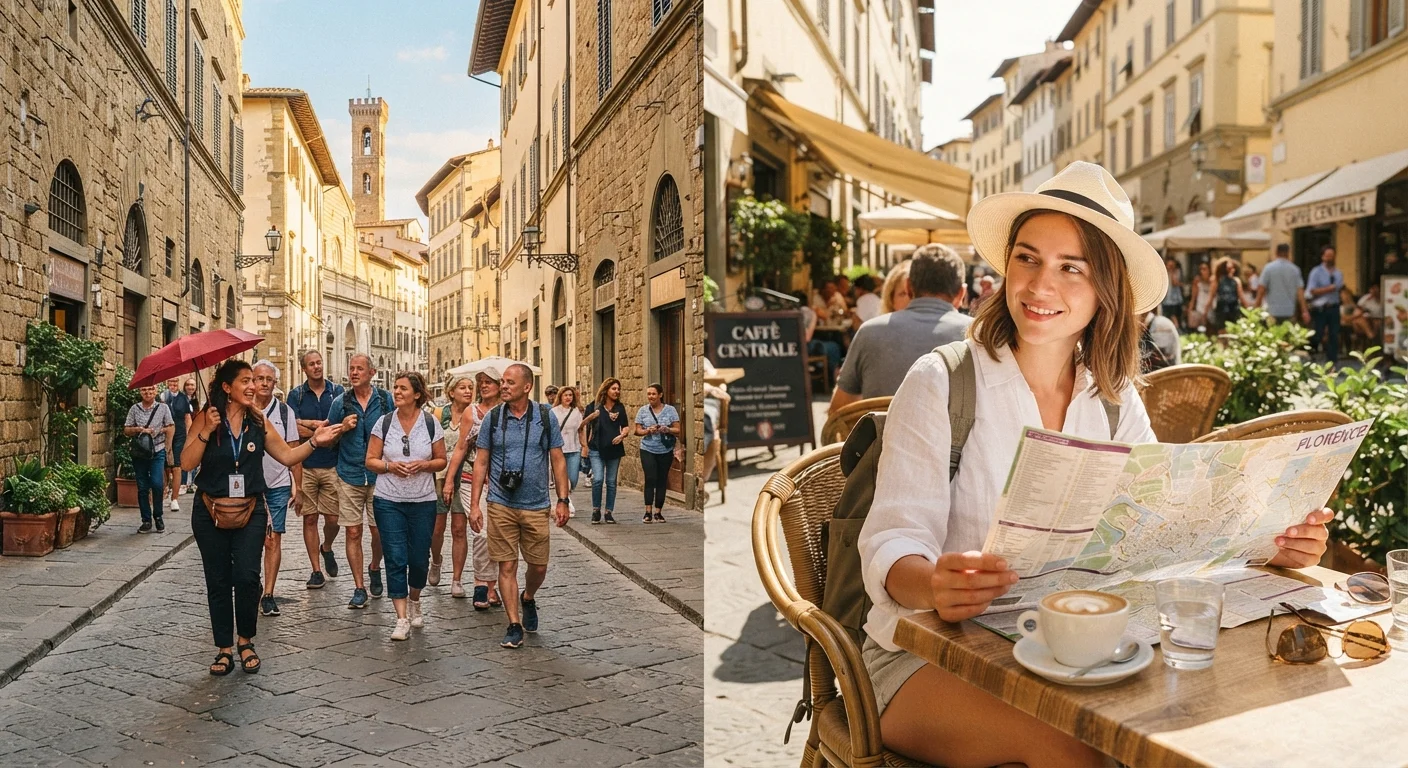
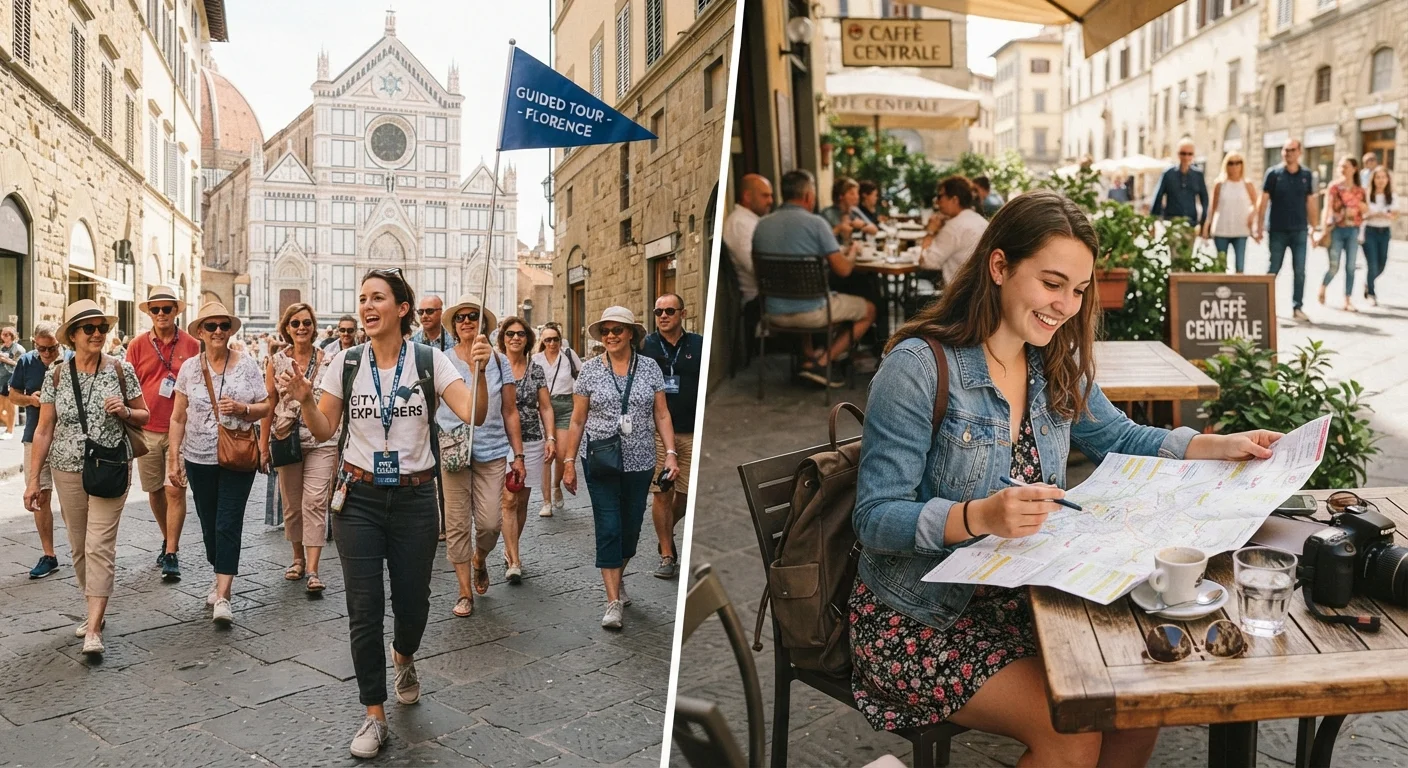
Group travel typically means joining an organised tour - a structured itinerary managed by an operator, with accommodation, transport, and activities pre-arranged. Group sizes vary widely, from intimate small-group tours (under 12 people) to large coach-style operations with 40 or more participants.
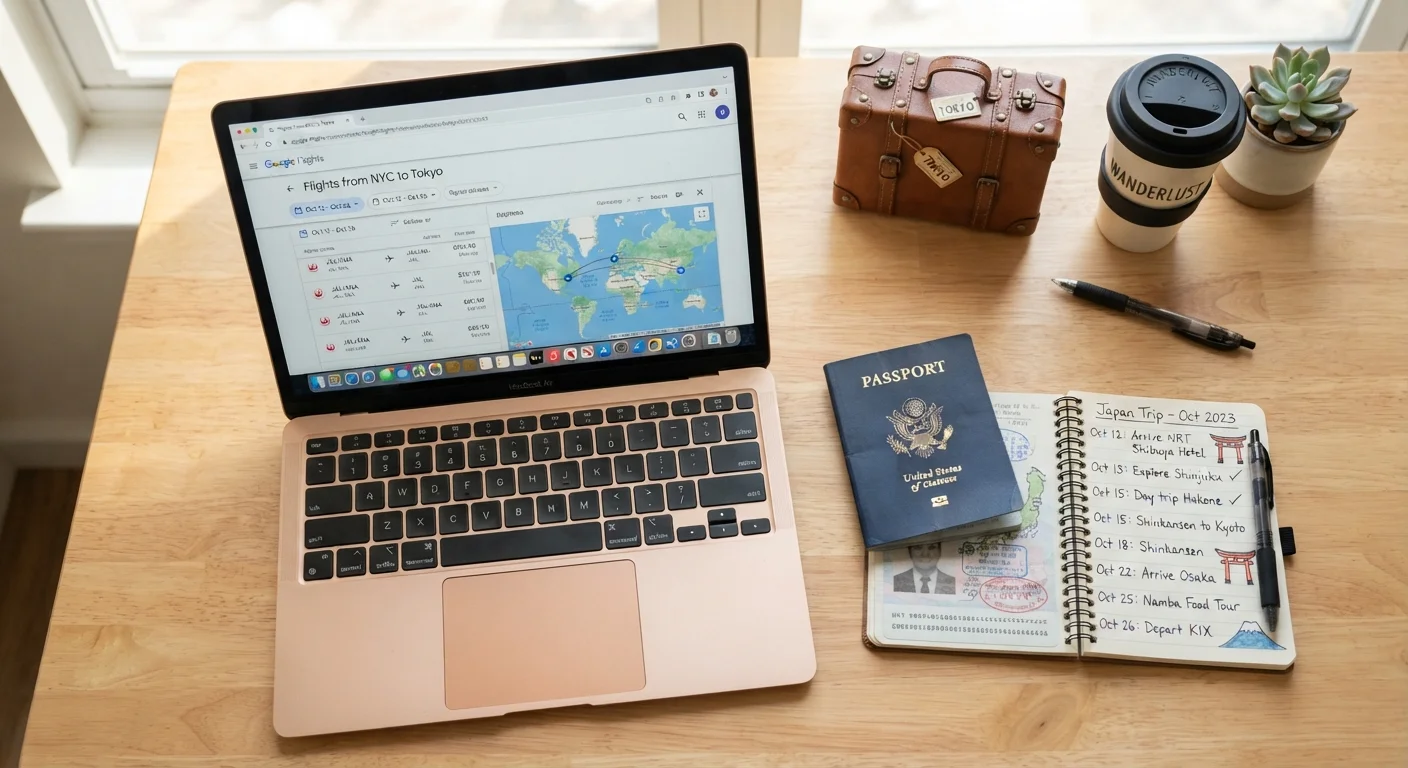
Independent travel means planning and booking everything yourself: flights, accommodation, day-to-day activities, and ground transport. You set the schedule and adapt it as you go. It can overlap with solo travel, though plenty of independent travelers go with partners, friends, or family - they're simply not part of an organised tour. For a closer look at going it alone, see our solo travel overview.
The core distinction isn't about companionship - it's about who controls the logistics and the pace.
How They Compare Across Key Factors
Understanding the trade-offs across practical dimensions helps clarify which approach suits a given trip. The comparison below covers the factors most travelers cite when choosing between the two styles.
| Group Tour | Independent Travel | |
|---|---|---|
| Planning effort | Minimal - operator handles logistics | High - all bookings self-managed |
| Flexibility | Low - fixed schedule and itinerary | High - change plans as you go |
| Social experience | Built-in group dynamic | Self-directed; meet people organically |
| Cost predictability | All-in pricing, fewer surprises | Variable; depends on choices made |
| Depth of experience | Broad overview of highlights | Deeper dive into chosen areas |
| Best destination fit | Complex or unfamiliar regions | Well-documented or revisited destinations |
| Ideal traveler | First-timers, solo travelers wanting company | Experienced or flexible travelers |
One factor that surprises many first-timers: group tours often work out to be cost-competitive for destinations where individual bookings - particularly for remote areas or heavily visited landmarks - carry premium pricing. That said, independent travel can be significantly more affordable if you're flexible with timing and accommodation. Our guide on booking flights vs. accommodation first covers how sequencing affects your overall costs.
When a Group Tour Makes More Sense
Group tours tend to shine in specific situations:
- Logistically complex destinations. Places with limited infrastructure, language barriers, or restricted-access sites (think: certain regions of Southeast Asia, parts of Africa, or Antarctica) are genuinely easier with an organised group that handles permits and ground logistics.
- First-time long-haul travel. Removing the planning burden lets you focus on experiencing a new region without worrying about whether every connection is correct.
- Solo travelers who want company. Group tours provide built-in social interaction without requiring you to coordinate with friends or family.
- Fixed departure dates. If your available travel window is narrow, a pre-scheduled tour removes the need to build a complex itinerary from scratch.
Try a Small-Group Tour First
If you're torn between the two styles, a small-group tour (typically 12 or fewer people) offers a useful middle ground. You get the logistical support of an organised trip with far more flexibility and personal interaction than a large coach tour. Many travelers find it a confidence-building bridge toward planning fully independent trips later.
If you're weighing the trade-offs in more detail, our structured tour vs. independent travel breakdown goes deeper on how each approach plays out in practice.
When Independent Travel Works Better
Independent travel earns its place when flexibility genuinely matters to your experience:
- You have a strong sense of what you want. If your ideal trip involves lingering at a market for three hours or skipping a famous monument entirely, a fixed group itinerary will frustrate you.
- You're revisiting a destination. Once you know a region, you can go deeper - skipping tourist circuits in favor of neighborhoods and experiences a guided tour won't reach.
- Your group has very different interests. A couple where one person wants museums and the other wants hiking can split days independently in ways a group tour can't accommodate.
- You're traveling for an extended period. Long trips benefit from the ability to slow down, extend a stay, or change direction. See how trip length changes your planning approach for more on this.
Don't Underestimate Independent Planning Time
Independent travel can look deceptively simple - book flights, book a hotel, figure out the rest when you arrive. In practice, destinations with limited English signage, complex visa requirements, or unreliable local transport can create real stress without preparation. Build in research time before you go, and always verify visa and entry requirements through official government sources, as conditions can change.
The Hybrid Approach Worth Considering
Many experienced travelers don't choose strictly one or the other - they combine both within a single trip. A common pattern: book a short guided segment for a technically demanding or permit-only portion of a trip (say, a specific trek or a region with complex entry logistics), then spend the surrounding days as a fully independent traveler.
This approach also works well for group travel involving friends or family. You might book accommodation and a few anchor activities together, then split up for individual days based on preference. If that's your situation, keeping group trip planning from unraveling covers how to align expectations before you go.
Not sure where you're even headed yet? Starting with destination-selection basics - like seasonality, budget, and travel time - can help clarify which style fits. Choosing a destination when you have no idea where to start is a useful first step.
Once you've settled on a direction, understanding what an itinerary is - and whether you need one will help you decide how much structure actually serves your travel style.