Why Solo Travel Is Worth Considering
Solo travel has a reputation for being either wildly adventurous or slightly reckless. The reality is much more ordinary - and much more accessible - than either image suggests. Millions of people travel alone every year, including first-timers who had no prior experience planning or navigating a trip independently.
The core appeal is straightforward: you set the pace. You sleep in when you want to, spend three hours in a museum you love, or skip the famous landmark entirely because you'd rather sit in a local café. There's no negotiating, no compromising, and no waiting for anyone else.
That flexibility does come with real responsibility. Every decision - transport, accommodation, budget, what to do if something goes wrong - lands with you. For many travellers, that's motivating rather than intimidating once they've got a solid plan in place. See our complete trip planning walkthrough if you're starting from scratch with how to organise any trip.
25%
of US travellers who travelled solo in the past year
According to a 2023 AARP Travel Trends report, roughly one in four American travellers took at least one trip alone in the prior 12 months.
72%
of solo travellers report the experience exceeded expectations
A Hostelworld survey of solo travellers found the majority said their first solo trip was better than they anticipated.
Choosing a Destination That Works for Solo Travellers
Not all destinations require the same level of logistical confidence. For a first solo trip, it's worth choosing somewhere with reliable public transport, English widely understood, and a well-established traveller infrastructure - hostels, tourist information, straightforward visa processes.
Popular choices for first-time solo travellers tend to be countries in Western Europe, Japan, New Zealand, and Canada, but the right destination depends entirely on your comfort level and interests. A domestic trip - a different US city by train or a national park road trip - counts as a legitimate solo adventure and carries much lower logistical friction.
Start Closer to Home If You're Unsure
A first solo trip doesn't have to be international. Choosing a domestic destination removes visa and language complexity while still giving you real practice managing accommodation, transport, and a daily itinerary entirely on your own terms. Once you've done it once, the process feels far less daunting the second time around.
Whatever you choose, verify entry requirements - visas, vaccinations, travel advisories - through official government sources well before you book. These change and differ by nationality, and no article or travel forum is a substitute for the official record. The US State Department's travel portal is a reliable starting point for Americans travelling abroad.
For a broader look at how independent travel compares to joining a tour, this balanced breakdown is worth reading before you commit to going it alone.
Safety Habits That Actually Make a Difference
Solo travel safety is less about avoiding danger and more about reducing unnecessary risk through consistent habits. Most of the advice is unglamorous but genuinely useful.
- Share your itinerary. Before you leave, give a trusted contact your full plans - flight numbers, accommodation names and addresses, and any activities you've pre-booked. Check in regularly and agree on what they should do if they don't hear from you.
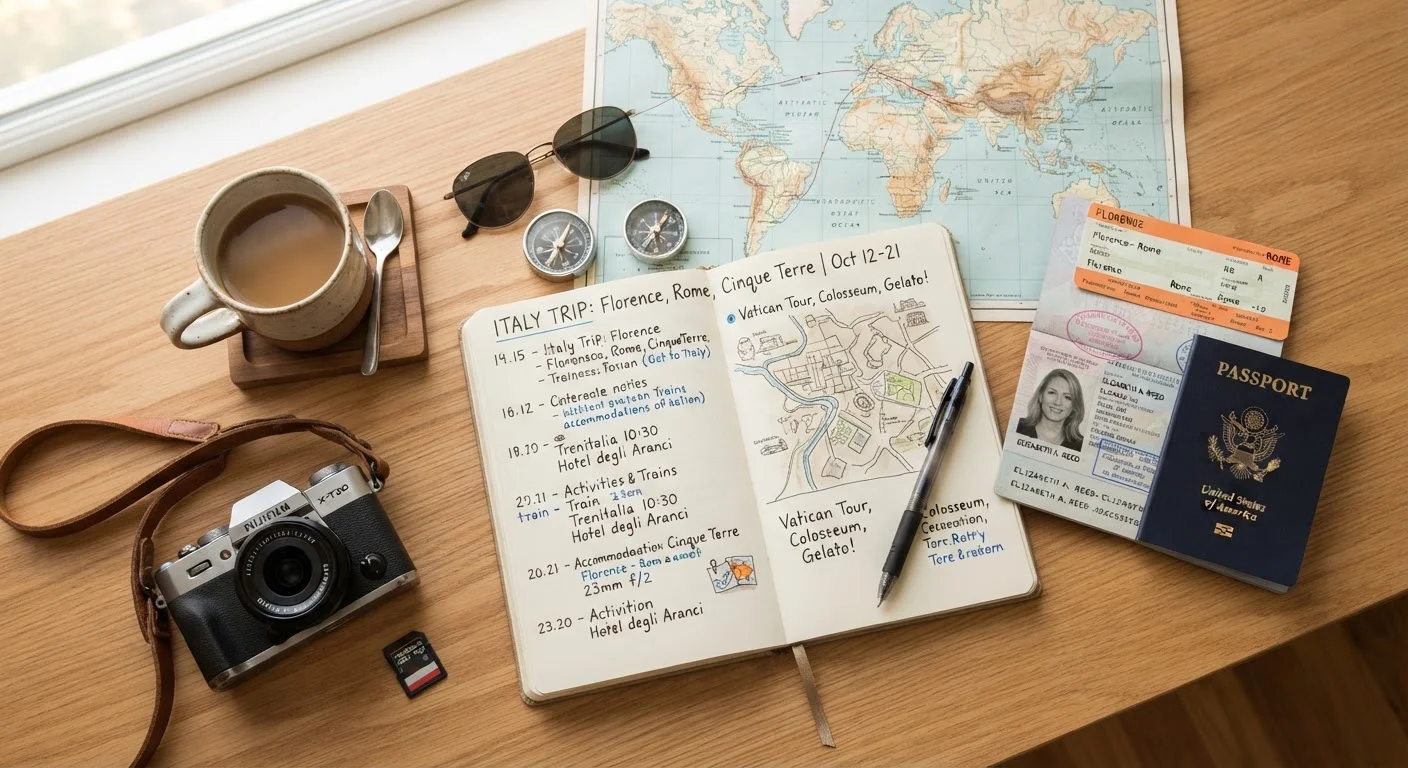
- Keep digital and physical copies of key documents. Passport, insurance policy, any bookings. Email copies to yourself and store a set in your bag separate from the originals.
- Know your accommodation's address in the local language. Being able to show a driver exactly where you're going reduces miscommunication significantly.
- Trust your instincts in unfamiliar situations. If something feels off, leave. Politeness is not worth overriding a genuine gut feeling.
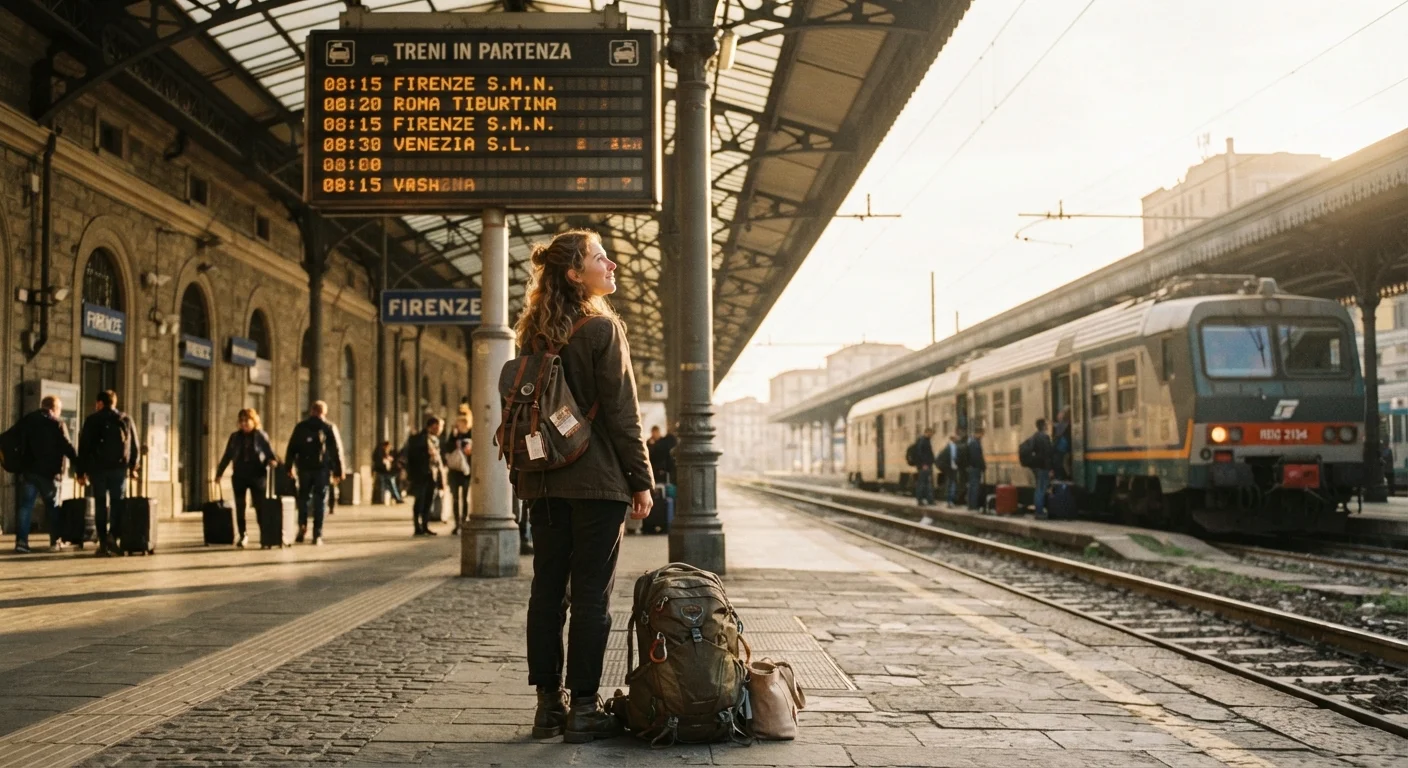
Book your first night's accommodation in advance, even if the rest of your trip is flexible. Arriving in a new city already knowing exactly where you're going eliminates one significant variable when you're tired and navigating alone.
Experienced solo travellers consistently point to the first-night arrival as the highest-stress moment of a trip - reducing unknowns there makes the rest of the trip easier to manage.
Photograph the street outside your accommodation when you arrive, not just the building. It gives you a landmark to show taxi drivers and helps you recognise the block when returning from unfamiliar directions.
Street-level orientation is often harder than it looks on a map, particularly in cities with dense, similar-looking blocks - having a visual reference helps significantly.
Travel insurance is not optional for solo travellers. If something goes wrong - illness, a cancelled flight, lost luggage - you're handling it without a travel companion to help. Make sure your policy covers medical evacuation and the specific activities you plan to do.
Staying Connected Without Losing Freedom
One practical detail many first-time solo travellers underestimate is phone connectivity. Using your home carrier abroad can be expensive; a local SIM card or an international data plan sorted before departure is worth the effort.
Having working maps, translation apps, and the ability to contact your accommodation or emergency services from your phone is a baseline safety net - not a luxury. Our article on things travellers forget to do before leaving home covers roaming settings and other pre-departure tasks people routinely overlook.
Offline Access Is a Safety Essential
Do not rely solely on live internet access for navigation or emergency information while travelling solo. Download offline maps, save your accommodation's address and phone number locally on your device, and keep a written copy of key contacts in your bag. If your phone dies, is lost, or loses signal, you need a backup plan that doesn't depend on connectivity.
Download offline maps for every city you'll visit before you arrive. Apps like Maps.me or Google Maps offline mode work without data, which matters in transit zones, rural areas, or any moment your signal drops.
Managing the Practical Logistics
Solo travel means carrying everything yourself, which makes packing decisions higher-stakes than on a group trip. The general principle: if you can't carry your bag comfortably for ten minutes, it's too heavy. One carry-on-sized bag is achievable for most trips up to two weeks with thoughtful packing. Our packing starter guide walks through the whole process in detail, and the Packing & Gear hub has further resources by trip type.
Budget management is also more personal when you're alone - there's no splitting costs on taxis or accommodation. Build a realistic daily budget that includes a buffer for unexpected costs (a missed train, a pharmacy run, a tourist entry fee you didn't account for). Cash still matters in many destinations even where cards are widely accepted.
On accommodation: hostels with private rooms offer the price advantage of a hostel without a shared dorm, which suits solo travellers who want some privacy but also the option to socialise in common areas. Guesthouses and smaller hotels also tend to have staff who are more attentive to solo guests than large chains.
The Social Side of Travelling Alone
One of the most common anxieties about solo travel is loneliness. It's a real experience on some trips, particularly on long travel days or in unfamiliar surroundings. It's also far less constant than people expect.
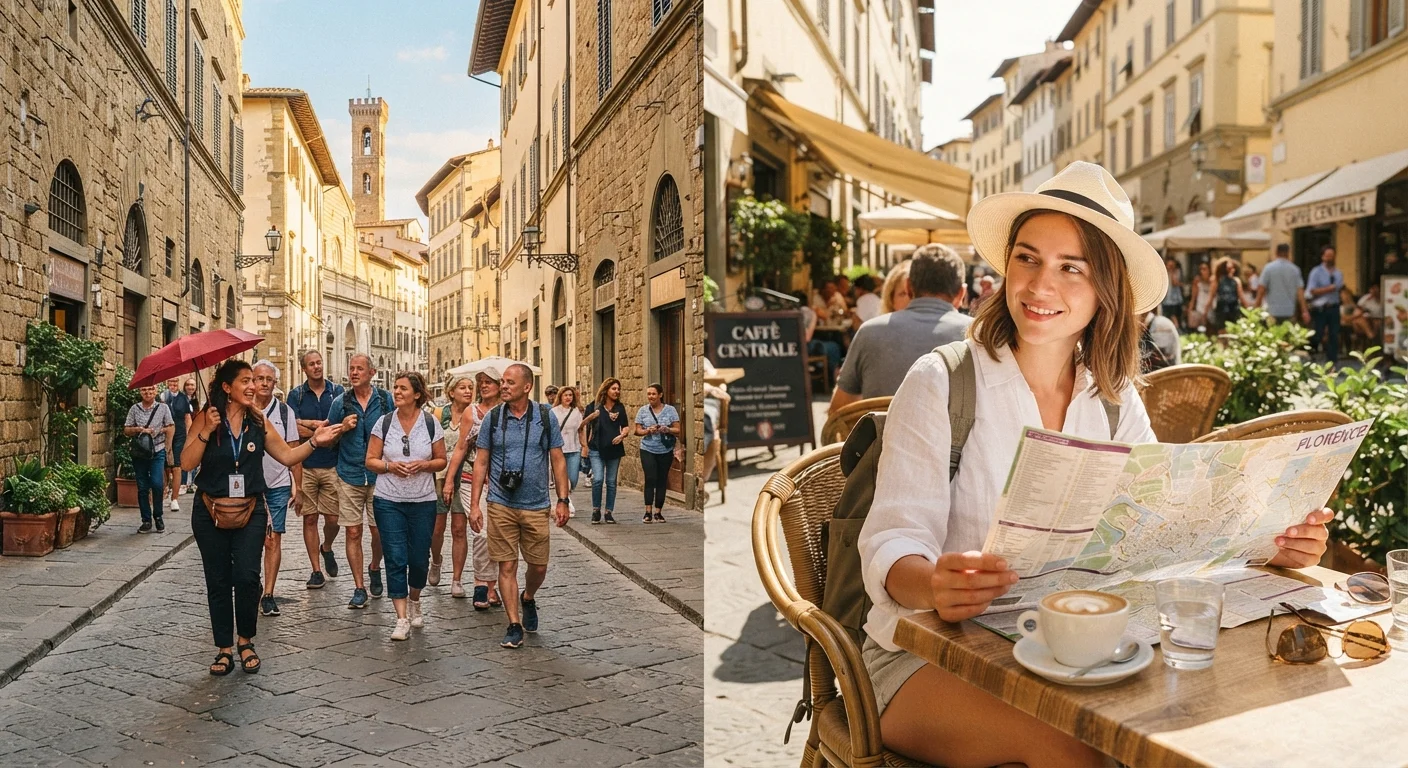
Solo travellers are, paradoxically, often more open to connection than those travelling in groups. You're more approachable and more likely to strike up a conversation at a hostel, on a walking tour, or at a communal dinner table. Structured activities - a cooking class, a guided hike, a day tour - are among the most reliable ways to meet people without it feeling forced.
If the idea of going fully independent feels like a stretch, a group travel vs. independent travel comparison might help you find a middle ground - many travellers start with a short group tour and branch out solo from there.
For a honest look at what the experience is really like before your first international solo trip, this first international trip guide covers the parts travel articles often leave out.
US State Department Travel Portal
Official source for travel advisories, visa information, and country-specific safety guidance for American travellers going abroad. Always verify entry requirements here before booking.
Trip Planning From Scratch
Our complete walkthrough for first-time travellers covering every stage of planning, from choosing a destination to preparing your documents and packing your bag.
Packing & Gear Hub
Practical packing strategies and gear guidance for all trip types - especially useful for solo travellers who need to carry everything themselves.