Start With a Destination (and a Reality Check)
Choosing where to go is the most exciting part - and the most paralyzing for first-timers. Start by narrowing your options with three simple filters: how much time you have, your rough budget, and what kind of experience you want. A long weekend points toward domestic destinations; two weeks opens up international possibilities.
Think about your comfort zone honestly. A trip to a country with a different language, currency, and transit system is manageable - but it adds complexity. If this is your very first solo trip, a destination where English is widely spoken and signage is clear can make the logistics feel much less daunting. You can always stretch further next time.
Don't lock in a destination based on social media alone. Research climate by season, typical crowds, and any local events or holidays that might affect your experience. Check current travel advisories through the U.S. Department of State's official website before you get attached to any location.
Write down three non-negotiables for your trip - one experience, one type of food, one feeling you want to have - before researching destinations. This keeps decision fatigue from derailing the whole process.
First-time planners often get overwhelmed by infinite options. Anchoring decisions to personal priorities cuts through the noise and leads to more satisfying trips.
Always build at least one buffer day into multi-leg trips - a day with no planned activities at the start or end. Delays, jet lag, and disorientation are real, and a buffer day transforms a stressful start into a gentle one.
Experienced travelers know that the most common first-timer regret is packing the schedule too tight, leaving no room for the unexpected.
Build Your Travel Budget
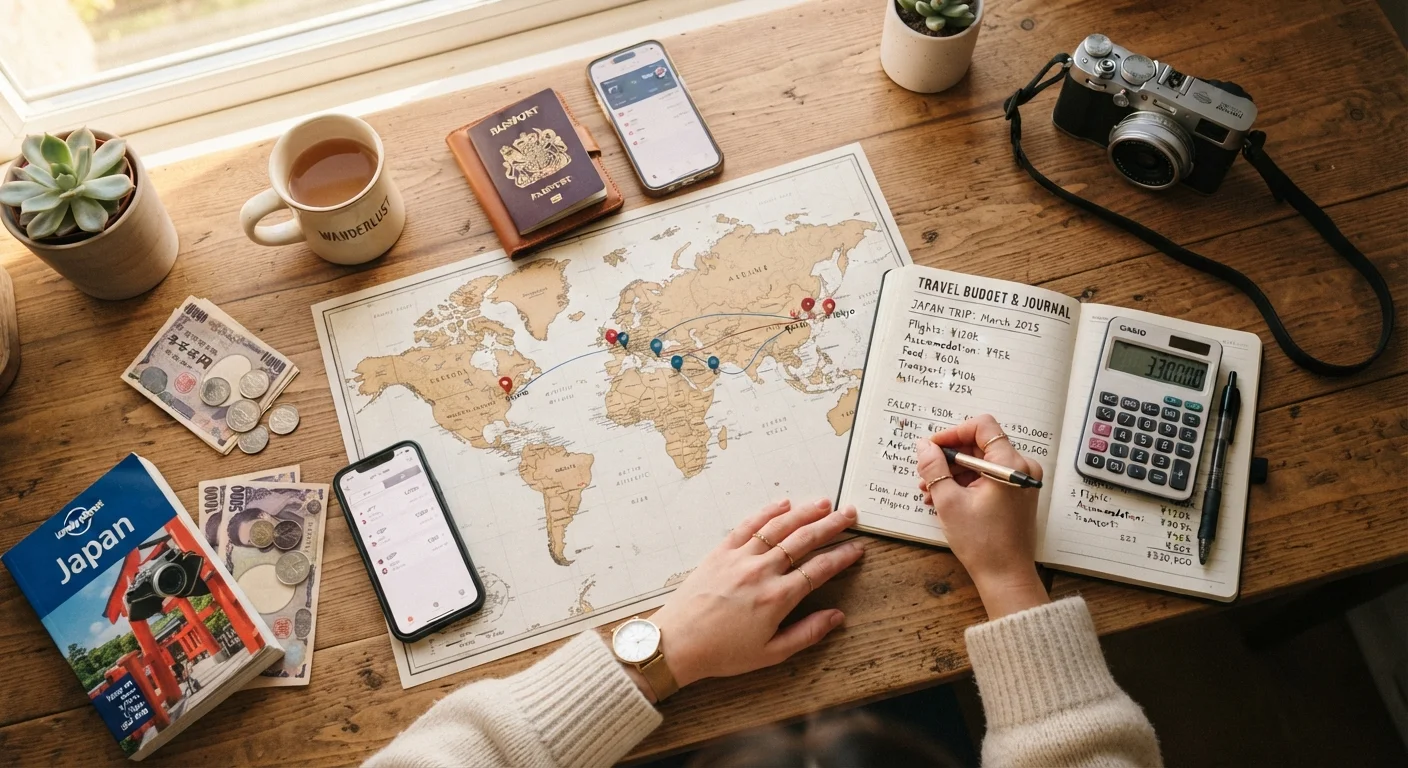
Money is where many first-time plans fall apart - not because travel is unaffordable, but because costs are underestimated. Before you book a single thing, sketch out a realistic budget covering flights, accommodation, food, local transport, activities, and a contingency buffer (typically 10-15% of your total).
Our guide to setting a travel budget walks through estimating each cost category in detail. If you've never budgeted before, the beginner's guide to building a budget is a great foundation to start with.
10-15%
Recommended contingency buffer for travel budgets
Travel financial planners broadly recommend setting aside 10-15% of your total estimated trip cost to cover unexpected expenses.
1 in 3
Travelers who experience a trip disruption
Industry surveys consistently find that a significant share of travelers encounter at least one disruption - delays, illness, or lost items - per trip, underscoring the value of buffer funds and insurance.
Once you have a number, work backward: how many months do you have to save, and what does that mean per paycheck? Making the math concrete transforms a vague dream into an achievable plan.
Sort the Logistics: Flights, Accommodation, and Timing
With a destination and budget in hand, you're ready to tackle the big three: flights, where you'll sleep, and when you'll go.
Flights
Search flexibly - if your travel dates are adjustable by a day or two, you'll often find meaningfully different price points. Book directly through airlines or well-known booking platforms, and always read the fare rules before purchasing. Basic economy fares often restrict changes and baggage, which can add up fast.
Accommodation
Your accommodation choice shapes the entire feel of a trip. Hotels offer consistency; hostels offer community and savings; vacation rentals suit longer stays or groups. Read recent reviews and pay attention to the neighborhood - proximity to transit matters more than proximity to famous landmarks.
Timing
Shoulder season (just before or after peak tourist months) often offers a sweet spot of reasonable weather, thinner crowds, and lower costs. Research your specific destination rather than relying on general rules - shoulder season varies widely by region.
Flexible Dates Can Make a Real Difference
If your schedule allows even two or three days of flexibility, use a flight search tool's calendar or flexible-date view to compare prices across a range of departure days. Mid-week departures and off-peak months often produce noticeably different fare ranges. This single habit is one of the easiest ways to stretch your travel budget further.
Handle the Admin: Passports, Visas, and Insurance
This section is the least glamorous part of trip planning - and the most important to get right. Entry requirements vary significantly by destination and nationality, and rules change. Always verify current requirements through official government sources (for U.S. travelers, travel.state.gov is the authoritative starting point) well in advance of your trip.
Always Verify Entry Requirements Officially
Visa rules, vaccination requirements, and entry restrictions change frequently and vary by nationality. Do not rely on travel blogs, forums, or booking sites for this information - they may be outdated. Check directly with the destination country's official embassy or immigration website, and the U.S. Department of State at travel.state.gov, before you book. Getting this wrong can mean being denied boarding or entry.
Travel insurance is worth understanding before you dismiss it. Policies can cover trip cancellation, medical emergencies abroad, lost luggage, and more. Coverage and exclusions vary by provider and plan, so read the policy details carefully. It's general protection - not a guarantee - but many first-timers report wishing they had it when something went wrong.
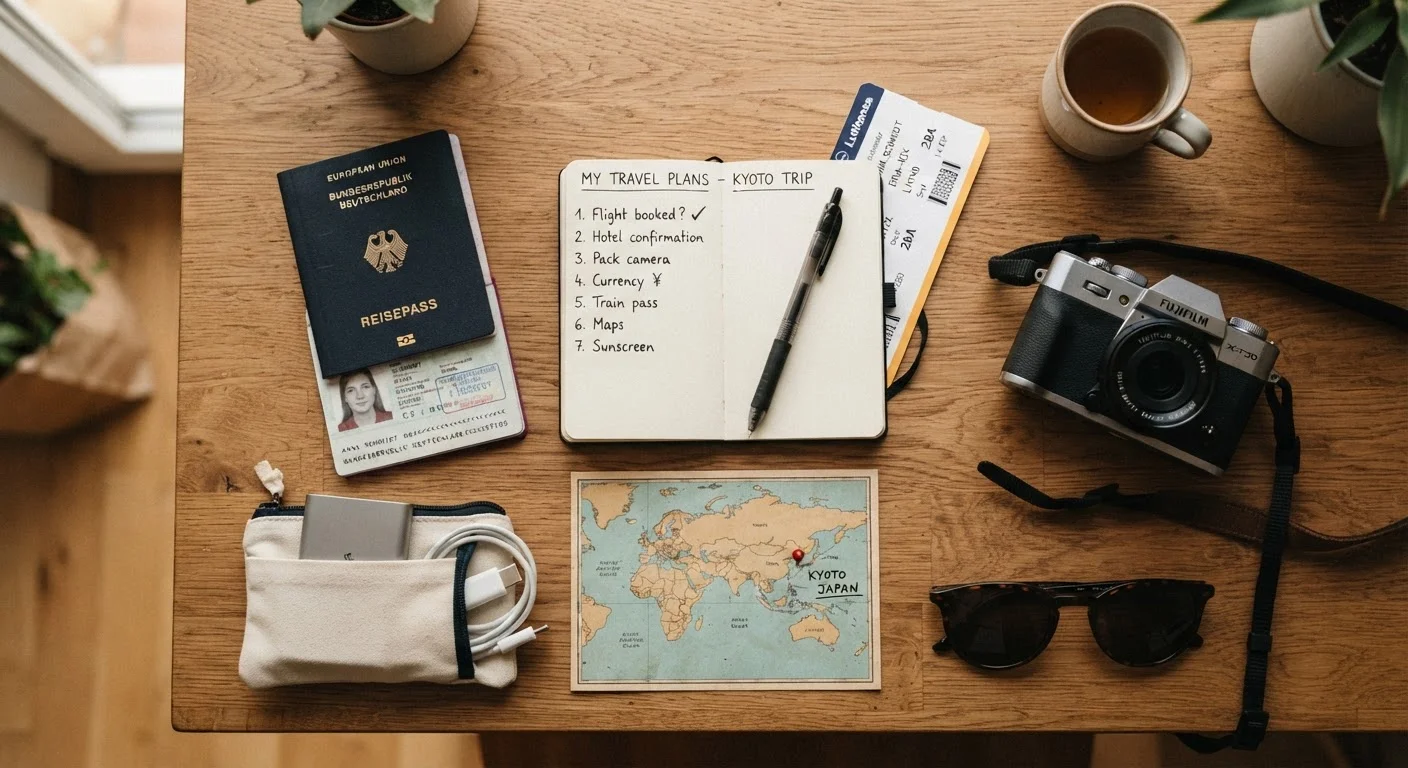
Use the pre-trip planning checklist to make sure nothing administrative slips through the cracks before you confirm any bookings.
Plan Your Days (Without Over-Scheduling)
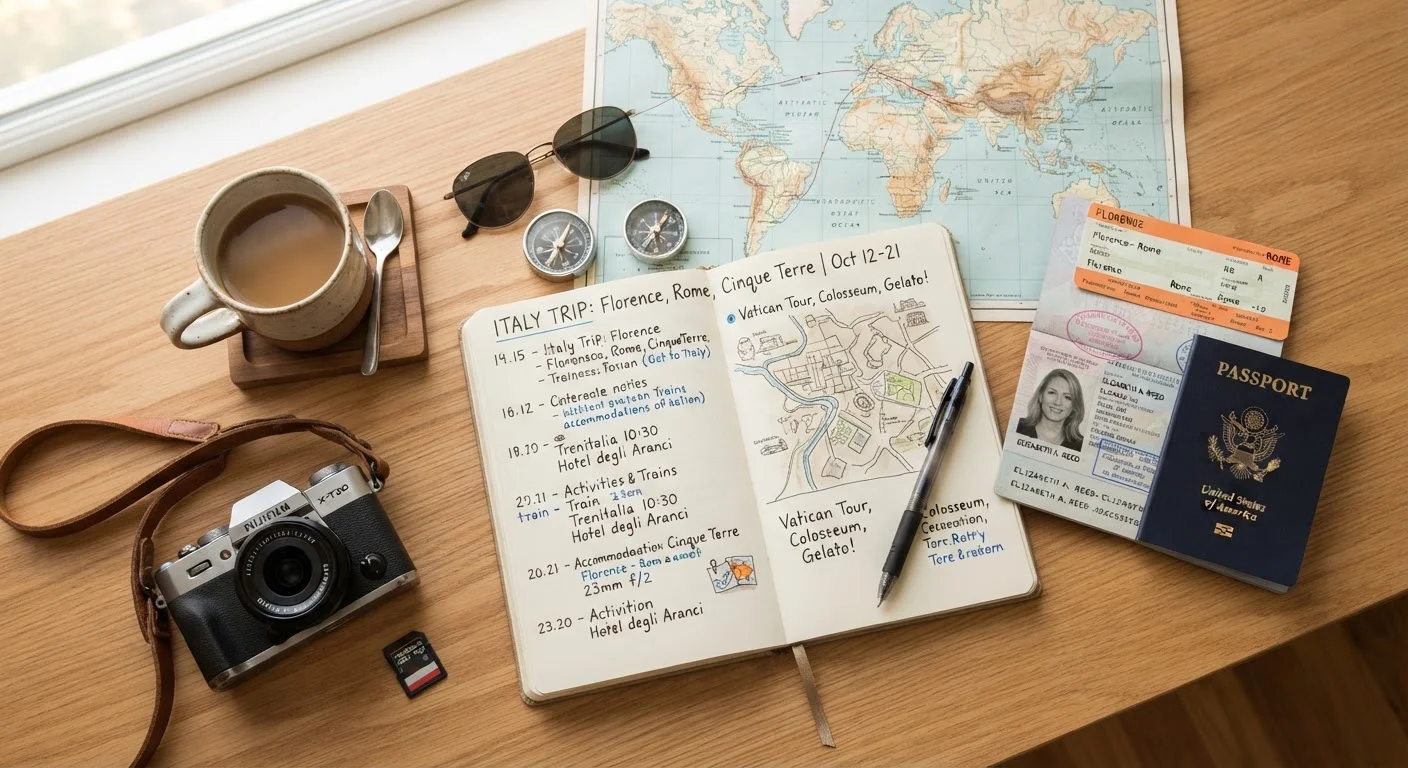
A rough itinerary - not a rigid minute-by-minute schedule - is the goal. For each day, identify one or two anchor activities (a museum, a hike, a neighborhood to explore) and let the rest breathe. First-time travelers consistently over-plan and then feel like they've failed when they miss something.
Group activities by geography so you're not criss-crossing a city unnecessarily. Check opening hours and whether reservations are required for popular spots - some of the world's most visited attractions require booking weeks in advance. Build in at least one completely unscheduled half-day per trip; the unplanned hours are often where the best memories happen.
For broader travel strategies that work across trip types, browse our travel tips hub - it covers everything from navigating airports to staying safe on the road.
“Travel is the only thing you buy that makes you richer - but only if you show up prepared enough to actually enjoy it.”
— Travel & Trips Editorial Team, Editors with collective experience planning trips across six continents
Pack Smart and Head Out
Packing is where anxiety spikes - but it doesn't have to. The core principle: pack less than you think you need. Most destinations have pharmacies, laundromats, and stores. Overpacking weighs you down physically and mentally.
Start with a list organized by category: clothing, toiletries, documents, electronics, and any destination-specific items (rain gear, medications, adapters). Lay everything out, then remove one-third of it. If you're flying, know your airline's baggage policy before you pack - carry-on-only is often possible for trips up to two weeks and saves both money and time at the airport.
For everything from packing cubes to gear recommendations by trip type, our packing and gear hub has practical, tested guidance. Once your bag is zipped and your documents are organized, you're ready. The rest is the adventure.
Don't Leave Documents to the Last Minute
Passport renewals can take several weeks under standard processing, and some destinations require your passport to be valid for six months beyond your travel dates. Start the document process as early as possible - at least three to six months before your intended departure. Leaving it late is one of the most common - and most preventable - reasons first-time trips get cancelled.