What the Numbers on an Oil Bottle Actually Mean
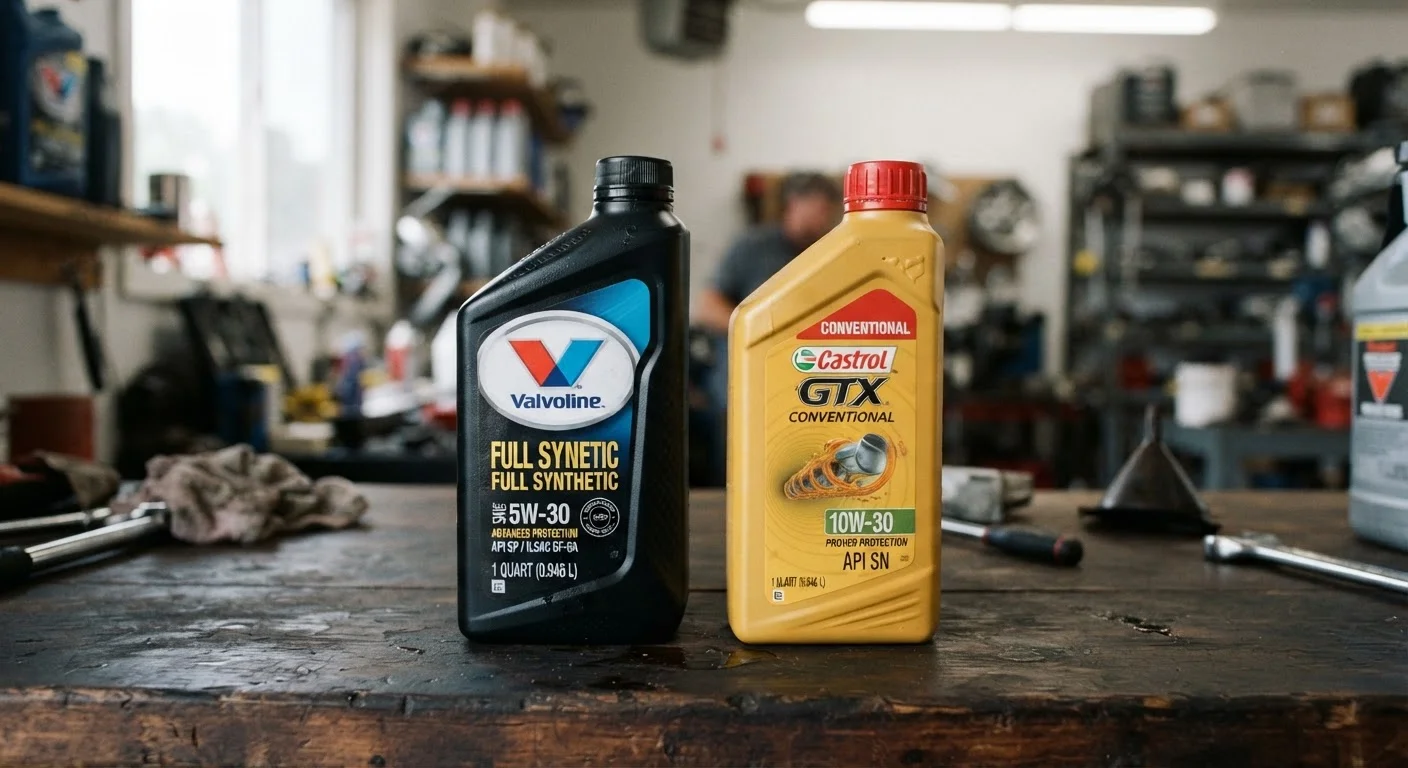
Pick up any bottle of motor oil and you'll see a code stamped on the front - something like 5W-30 or 10W-40. These aren't arbitrary. They follow a grading system set by the Society of Automotive Engineers (SAE) that describes the oil's viscosity - basically, how easily it flows.
The number before the 'W' rates cold-weather performance. A lower number means the oil stays fluid in colder conditions, making it easier for your engine to start and circulate oil on a frigid morning. The number after the 'W' rates viscosity at operating temperature - higher means thicker, which can provide a stronger protective film between moving parts under heat and load.
So a 5W-30 oil flows freely in cold weather and reaches a moderate thickness once your engine warms up. A 10W-40 starts slightly thicker in the cold and reaches a higher viscosity when hot. Neither is universally better - what matters is what your specific engine was designed to use.
~40%
Of engine wear occurring at cold startup
Industry engineering guidance widely notes that a significant share of engine wear happens in the first moments after a cold start, before oil fully circulates.
7,500-10,000 mi
Typical synthetic oil change interval
Many modern vehicles running full synthetic oil have manufacturer-recommended intervals in this range, though your owner's manual is the authoritative source.
Synthetic, Conventional, and Blends: What's the Difference?
Beyond grade, engine oils fall into three main categories based on how they're made:
- Conventional oil is refined directly from crude oil. It's widely available and works well in many standard engines under typical driving conditions.
- Synthetic oil is engineered in a lab to have a more uniform molecular structure. It generally handles temperature extremes better, lasts longer between changes, and flows more consistently - benefits especially relevant in very hot or very cold climates.
- Synthetic blends mix conventional and synthetic base oils. They offer some of synthetic's advantages at a lower price point.
For a deeper look at how these types compare, see our guide to synthetic vs. conventional oil. The right choice depends on your vehicle's age, the manufacturer's recommendation, and your typical driving conditions.
Check the Manual Before Switching Oil Types
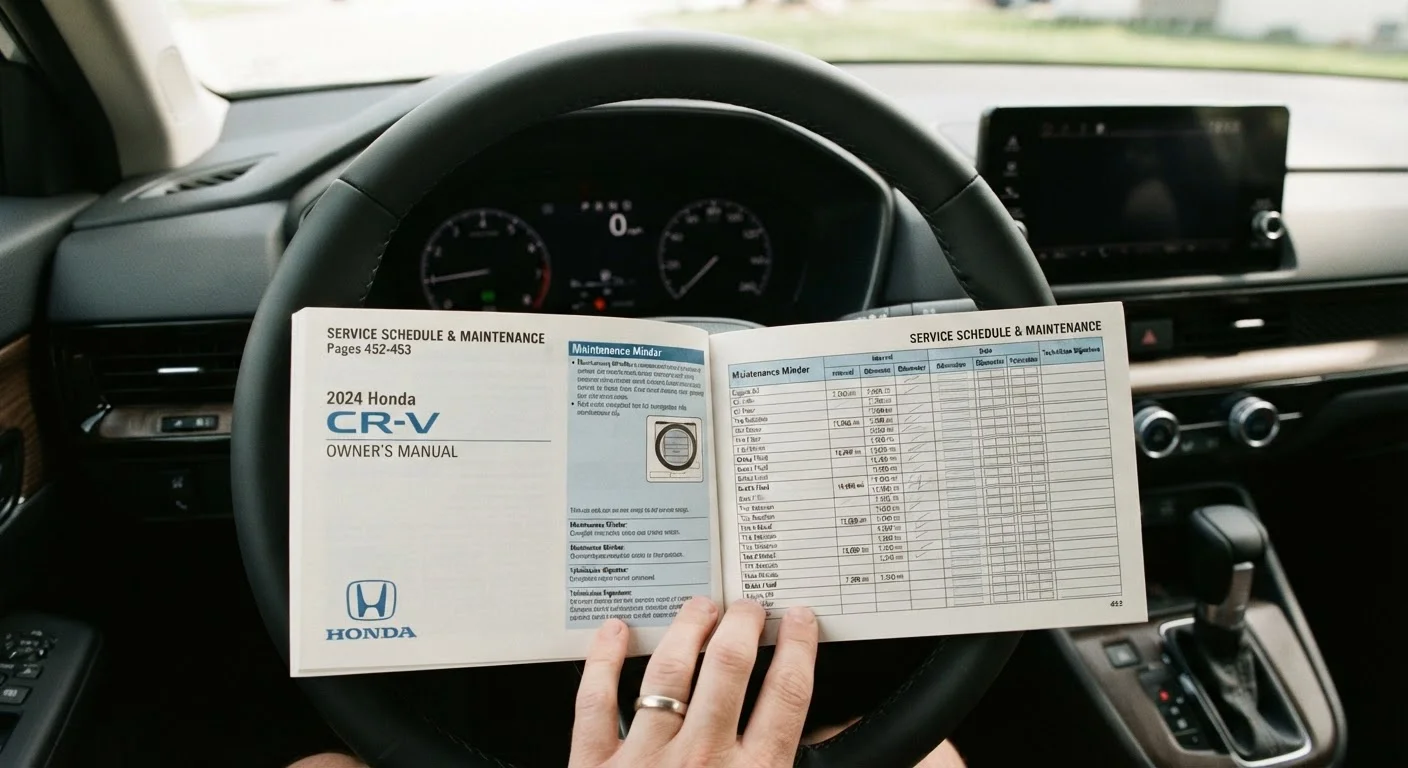
Some manufacturers - particularly those with turbocharged or high-performance engines - specifically require synthetic oil. Switching to conventional or a blend in these cases can void warranty coverage or reduce engine protection. Your owner's manual will clearly state if a particular type is required.
Why Using the Right Oil Grade Matters
Engine oil does more than lubricate - it also helps cool internal components, carry away contaminants, and prevent corrosion. If the viscosity is off, even slightly, those functions can be compromised.
Too thin an oil may not maintain a strong enough film between metal parts at high temperatures, increasing wear. Too thick an oil can restrict flow in cold conditions, meaning parts run dry for a few critical seconds after startup - when a large share of engine wear actually occurs.
Manufacturers put real engineering effort into determining the right grade for each engine. That recommendation lives in your owner's manual. If you're not sure where to find it, our guide to reading your owner's manual walks you through it step by step.
Common Myths About Oil Changes
You may have heard that you must change your oil every 3,000 miles, or that you can never switch between oil types. Neither is universally true. For a fuller breakdown, see Car Maintenance Myths That Mechanics Wish You'd Stop Believing. Following verified manufacturer guidance beats following outdated rules of thumb.
Checking and Changing Your Oil: The Basics
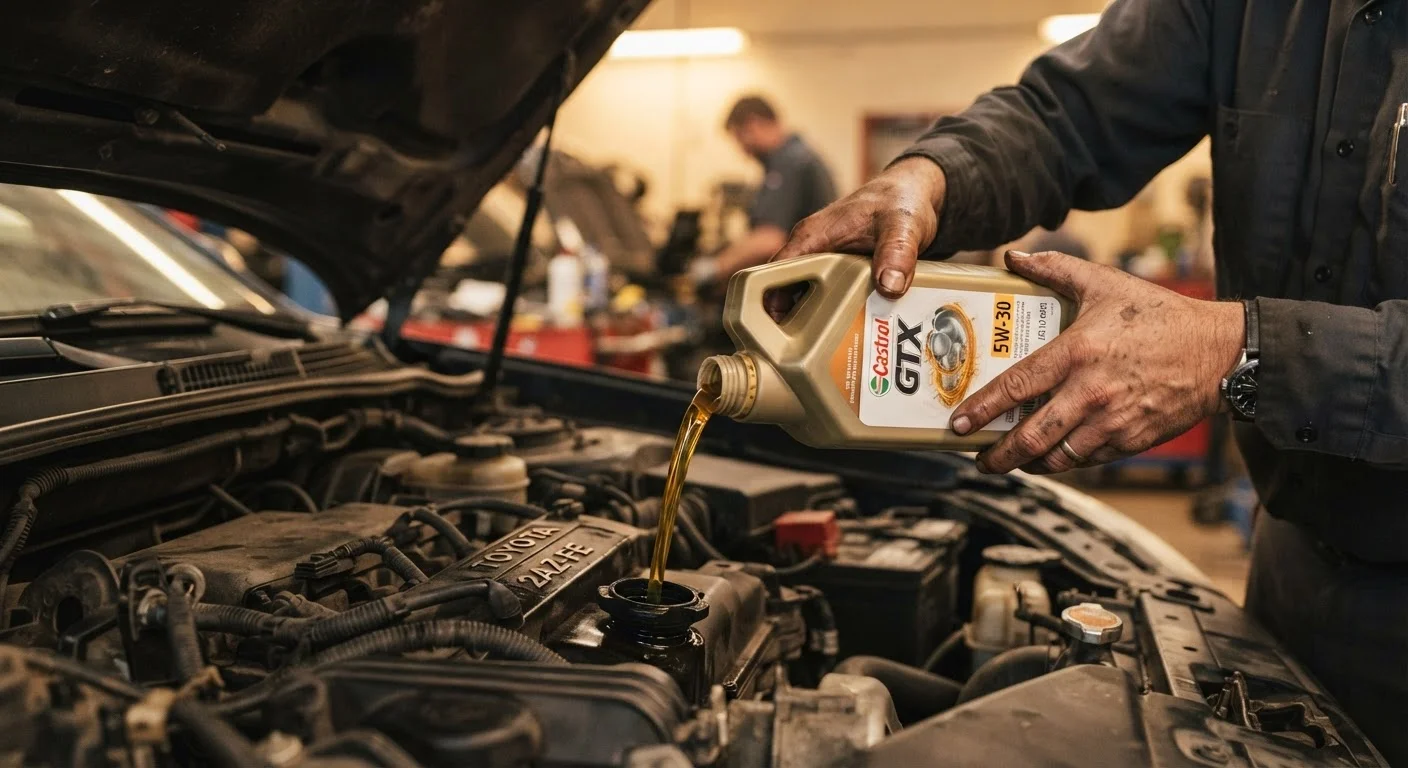
Checking your oil level takes about two minutes. With the engine off and the car on level ground, pull out the dipstick (usually a brightly colored handle near the engine), wipe it clean, reinsert it fully, then pull it out again. The oil film should fall between the two marks on the stick. If it's below the lower mark, add oil - carefully, using the grade specified in your manual.
As for how often to change it: the old 3,000-mile rule is outdated for most modern vehicles. Many cars running synthetic oil can go 7,500 to 10,000 miles or more. Your owner's manual has the definitive schedule. Some newer vehicles also have an oil life monitor in the dashboard that estimates when a change is actually needed based on your driving patterns.
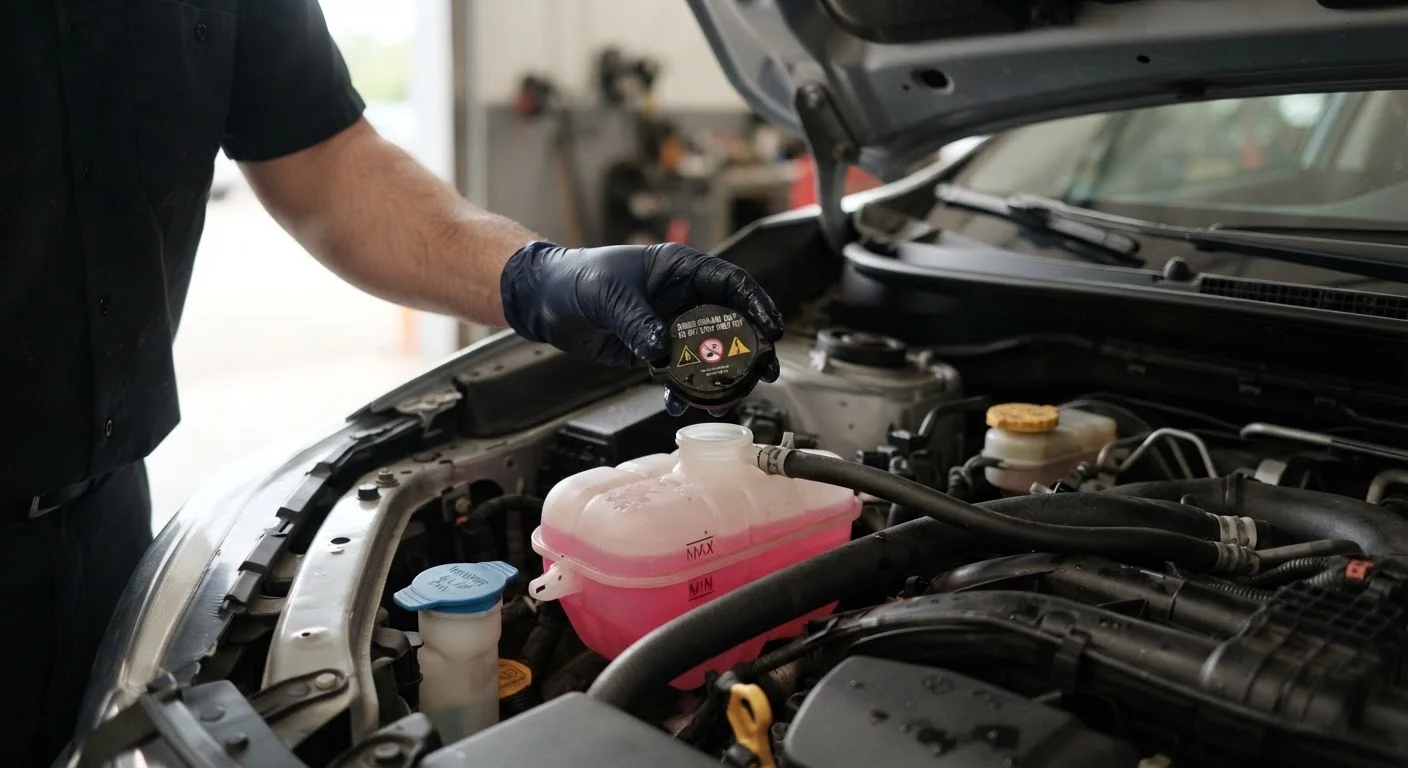
Don't forget that engine oil is just one of several fluids keeping your car running safely. See our overview of other critical vehicle fluids for what else deserves a periodic check.
If you're newer to car ownership and want a broader picture of routine upkeep, Car Maintenance from the Ground Up covers the essentials in plain language.