Why a Weekly Wellness Check-In Works
Most health problems don't arrive without warning - they creep in gradually, disguised as tiredness, low energy, or a stretch of poor sleep. A weekly self-audit gives you a structured moment to pause, look back at the past seven days, and honestly assess how you're doing across the pillars that matter most: sleep, movement, nutrition, and mental wellbeing.
Think of it less like a report card and more like a friendly mirror. You're not judging yourself - you're collecting information. This kind of consistent self-awareness is one of the foundations described in The Sustainable Wellness Habit Playbook, which walks through how small, consistent habits compound over time into meaningful change.
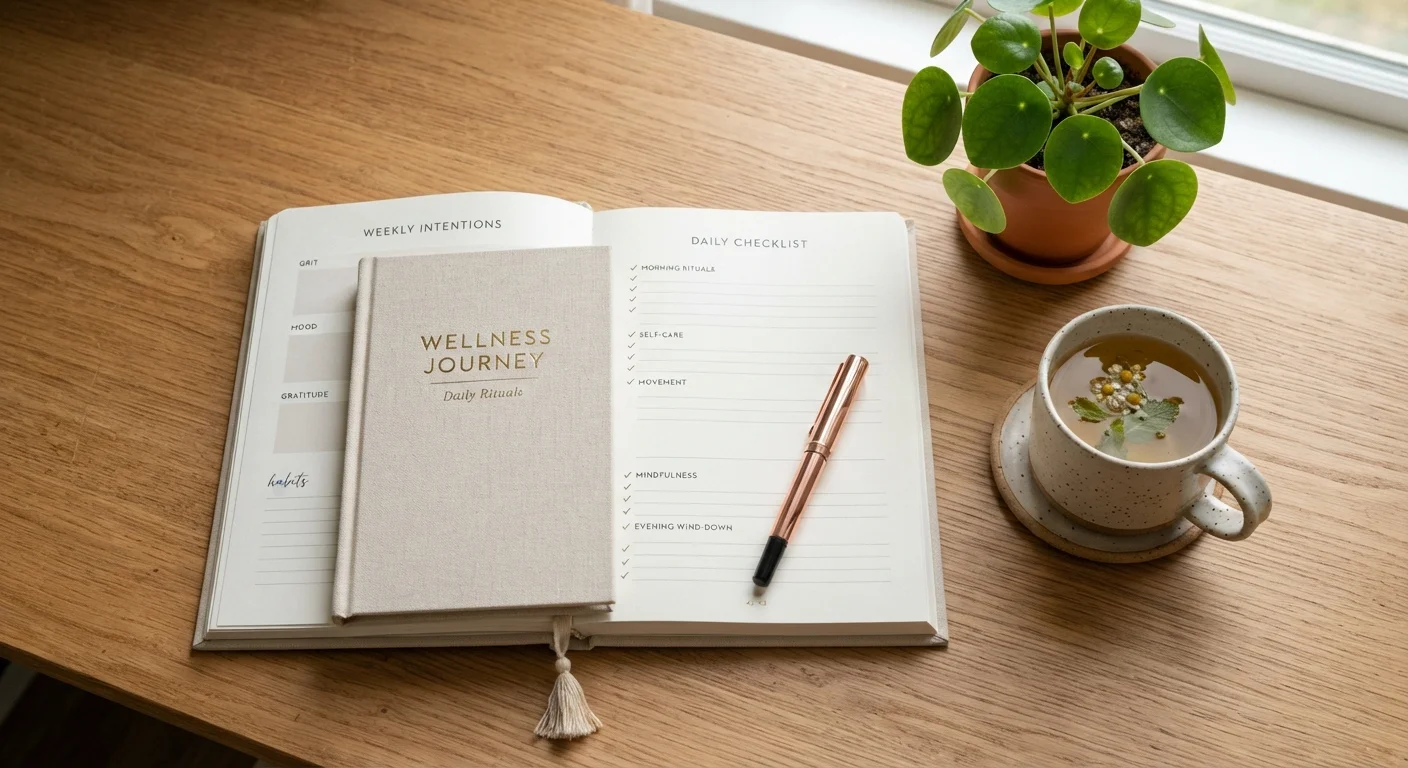
Set aside 15-30 minutes each week - Sunday evenings or Monday mornings work well for many people. Grab a notebook or open a notes app, and work through the checklist groups below honestly. Over time, patterns will emerge that you simply can't see day to day.
Notebook or journal
Record your weekly check-in responses and track patterns over time.
Notes or habit-tracking app
Log daily habits digitally so your weekly review has accurate data to draw from.
Calendar or planner
Schedule your weekly check-in as a recurring appointment so it becomes a reliable habit.
How to Use This Checklist
Each item is rated as must (non-negotiable for baseline wellness), should (strongly supports your goals), or nice to have (a meaningful enhancement when you're ready). Don't try to tackle everything at once if you're just starting out - focus on the must items first and layer in others over time.
For each item, ask yourself a simple yes/no: did this happen consistently this past week? If the answer is no more than twice in a row, consider it a signal worth acting on - not a reason for guilt. Understanding the language of wellness habits is easier with a plain-English reference; The Healthy Habits Reference Glossary can help if any terms feel unfamiliar.
Sleep & Rest
Movement & Physical Activity
Nutrition & Hydration
Mental & Emotional Wellbeing
Social Connection & Support
Progress, Not Perfection
It is completely normal to check off only half of these items in a given week - especially when you're getting started. The goal of this audit is awareness, not a perfect score. Research on habit formation suggests that noticing a gap is the first and most important step toward closing it. Be honest with yourself, and be kind about what you find.
Turning Insights Into Action
After completing the checklist, look for clusters. If three or four items from the same group are flagged, that category deserves your attention this week - not all of them at once, just one small, concrete improvement. For example, if your movement section is consistently incomplete, Walking vs. Structured Exercise can help you understand what even informal activity contributes to your health - you may already be doing more than you think.
If your mental health items are repeatedly unchecked, it may be worth exploring a more intentional daily structure. Building a Daily Mental Wellness Routine From the Ground Up offers a practical, low-pressure starting point. And don't overlook social connection - research consistently links meaningful relationships to better health outcomes, as explored in Social Connection as a Health Habit.
Finally, if you notice persistent symptoms - fatigue that doesn't improve, mood changes that last more than a couple of weeks, or physical concerns - please reach out to a qualified healthcare professional. This checklist is a general wellness tool, not a diagnostic instrument.
Don't Use This as a Substitute for Medical Care
A self-audit is a wellness awareness tool, not a clinical assessment. If you notice persistent physical symptoms, significant mood changes lasting more than two weeks, sleep disturbances that don't respond to basic habits, or any concern that worries you - please speak with a qualified healthcare provider. This checklist is not designed to diagnose, treat, or replace professional guidance.
This article is for general informational and educational purposes only and is not a substitute for professional medical advice, diagnosis, or treatment. Always consult a qualified healthcare provider with questions about your health or before making changes to your wellness routine.