Why Screens and Sleep Don't Naturally Mix
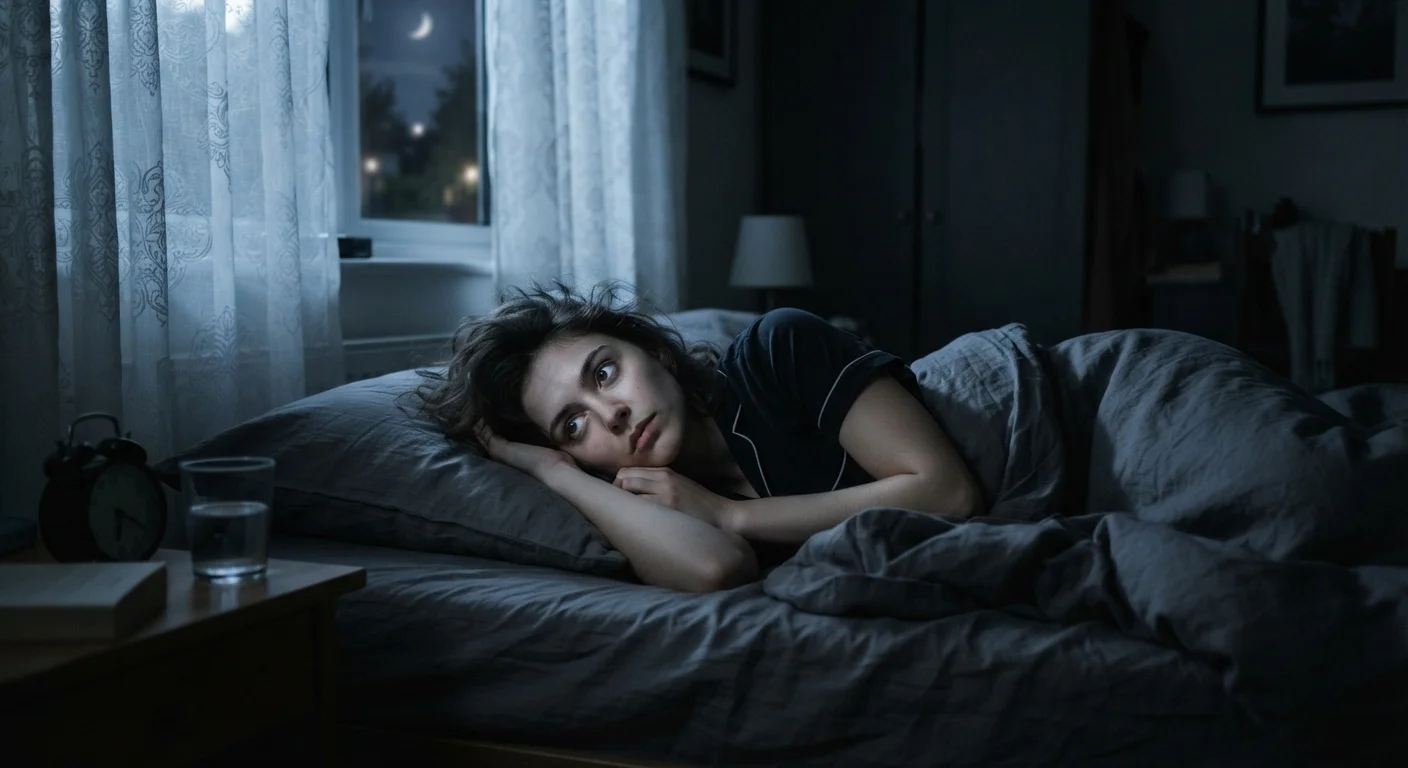
The human body uses light as its primary cue for regulating the sleep-wake cycle. When daylight fades, the brain interprets this as a signal to begin winding down - gradually releasing melatonin to ease the transition into sleep. Screens complicate this process by introducing artificial blue-wavelength light at exactly the time the brain expects darkness.
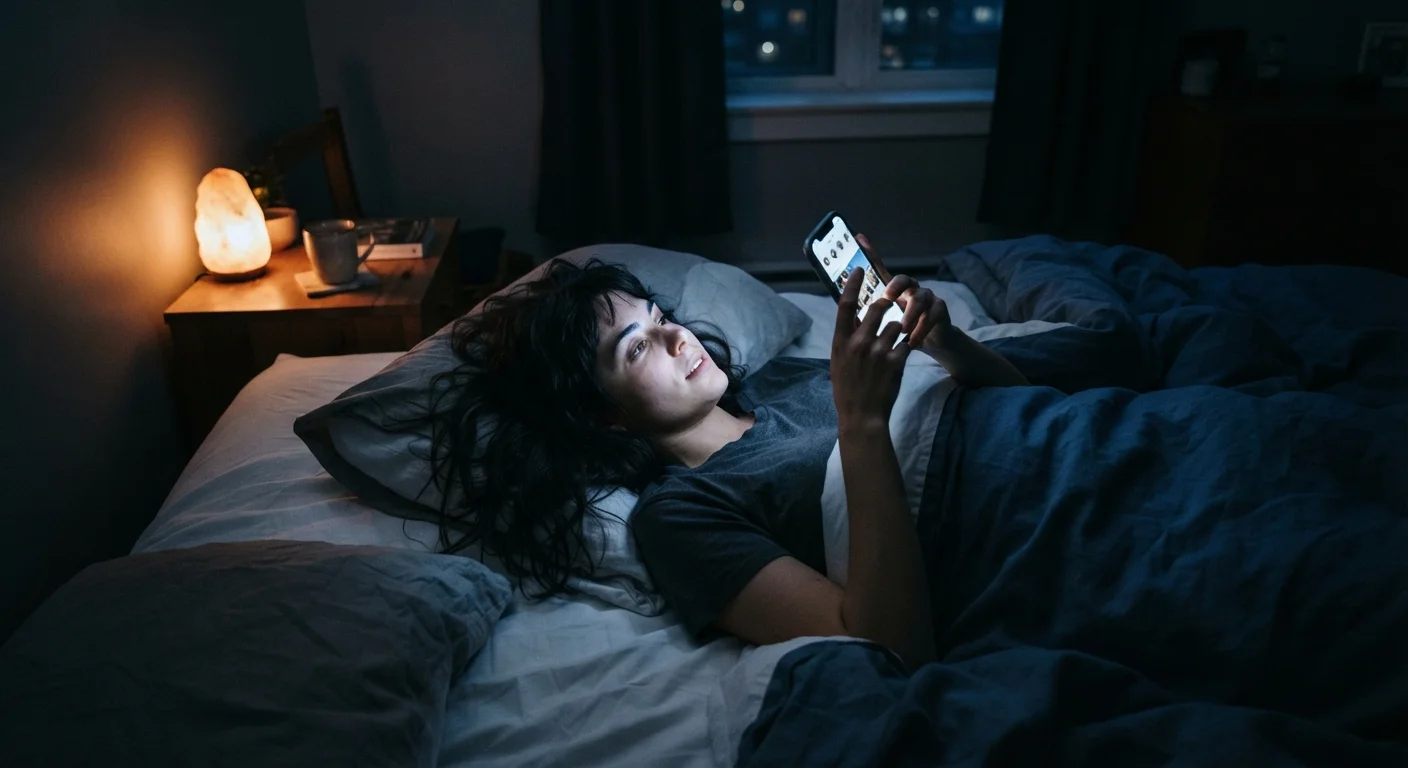
This isn't just about brightness. The blue spectrum that LED screens emit is particularly effective at suppressing melatonin production, effectively convincing your brain it's still mid-afternoon. For someone who uses a phone in bed for 30 to 60 minutes before sleep, this can push back their natural sleep onset - sometimes without them even realizing it.
There's also a second factor that often gets overlooked: the content itself. Scrolling through emotionally charged news, engaging in social comparison, or playing stimulating games activates the brain's alert systems in ways that have nothing to do with light. The result is a mind that's simultaneously biologically and cognitively primed to stay awake. For a broader look at how everyday digital habits can affect your mental state, see our guide to digital wellness and screen time.
~90%
Adults who use a screen in the hour before bed
National Sleep Foundation surveys have consistently found that the large majority of American adults use electronics in the hour before sleep.
30-60 min
Estimated melatonin delay from evening screen use
Research published in sleep science literature suggests that evening bright-light exposure can delay melatonin onset by approximately 30 to 90 minutes, depending on intensity and duration.
7-9 hrs
Recommended nightly sleep for adults
The American Academy of Sleep Medicine and Sleep Research Society recommend 7-9 hours of sleep per night for most adults for optimal health.
What the Research Pattern Actually Shows
Studies consistently find an association between evening screen use and later sleep onset, reduced total sleep time, and poorer sleep quality - particularly in adolescents, but also in adults. The pattern is especially strong when screens are used in bed, because that environment trains the brain to associate the bed with wakefulness rather than rest.
However, it's worth noting that much of the research is observational, meaning it shows a relationship without always proving direct causation. People who sleep poorly may also reach for screens more - making it a two-way dynamic rather than a clean one-way arrow. This mirrors the broader connection between rest and mental health discussed in our article on sleep and mental health.
“Light is the most powerful signal we have for setting our internal clocks. When we expose ourselves to bright screens late at night, we are essentially sending our brains a very clear message: it is not time to sleep.”
— Charles Czeisler, Sleep researcher and professor at Harvard Medical School
What does hold up consistently is this: people who reduce screen use in the hour before bed - or move screens out of the bedroom entirely - report falling asleep faster and feeling more rested. The effect is modest for some and significant for others, which is why personal experimentation matters.
Adjustments That Tend to Make a Measurable Difference
You don't need to go completely screen-free in the evenings to see improvements. Small, sustainable shifts tend to work better than all-or-nothing rules that are hard to keep.
- Move usage earlier in the evening. Finishing your main screen time 60-90 minutes before your intended sleep time gives your melatonin rhythm a chance to catch up.
- Reduce brightness and switch to warmer tones. Most devices have a night mode or warm display setting. While not a complete fix, it lowers light intensity during the wind-down period.
- Be selective about content. Calm, low-stimulation content - like reading or watching something familiar and relaxing - is less disruptive than news, arguments, or high-stakes entertainment.
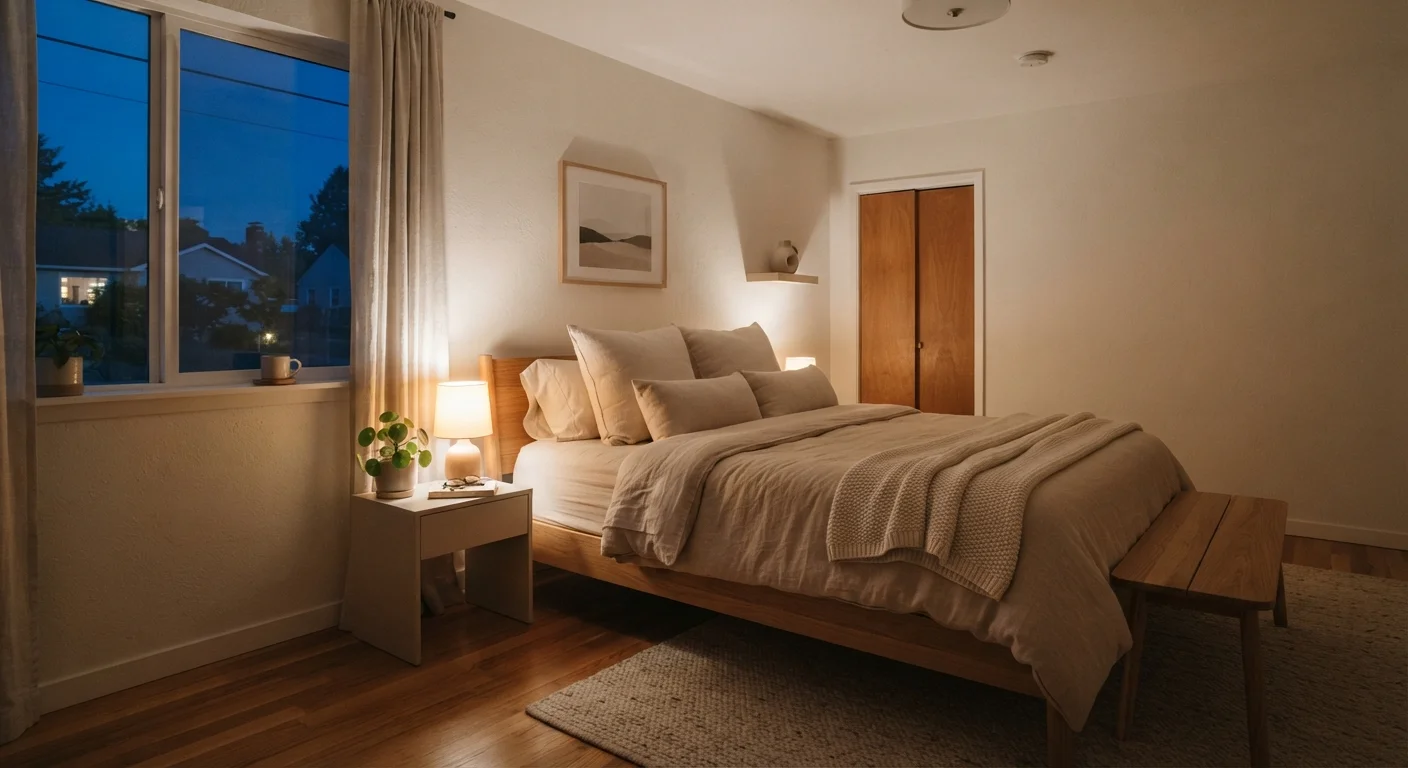
- Charge your phone outside the bedroom. Removing the device from reach eliminates the habit loop of checking it during the night or first thing upon waking.
Try a One-Week Screen Wind-Down Experiment
Choose one change - such as stopping screen use 45 minutes before bed - and keep everything else the same for seven days. Note how long it takes you to fall asleep and how rested you feel each morning. A short personal experiment often reveals patterns that general advice can't predict for your specific situation.
Pairing screen habit changes with a consistent sleep and wake schedule tends to compound the benefits. For a fuller picture of how to build that foundation, see our guide to building a sleep habit.
If you're thinking about whether your changes fit better into a morning or evening routine structure, our morning vs. evening routine comparison can help you choose what suits your life.
This article is for general informational purposes only and is not a substitute for professional medical advice. If you have concerns about sleep quality or a sleep disorder, please consult a qualified healthcare provider.