
Why Sustainable Habits Beat Willpower Every Time
Most wellness journeys begin with a surge of motivation - and stall within a few weeks. That's not a character flaw; it's a design problem. Motivation and willpower are finite resources that fluctuate with sleep, stress, and life demands. Habits, by contrast, become semi-automatic with repetition, requiring far less mental energy to maintain.
Research in behavioral science consistently shows that people who rely on environmental cues and established routines - rather than daily decision-making - maintain healthy behaviors more reliably over time. The goal of this guide is to help you design your wellness life, not white-knuckle your way through it.
Start With Your Environment, Not Your Effort
Before adding a single new habit, look at your physical surroundings. Are healthy choices the easy ones in your home and workspace? Small environmental tweaks - like keeping a water bottle on your desk or placing your walking shoes at the door - often produce more consistent behavior change than motivation alone. Design for the version of you who's tired and busy, not the version running on a great day.
The Science of Habit Formation (Simply Explained)
Every habit follows a neurological loop: a cue triggers a routine, which delivers a reward. Over repetitions, the brain begins to anticipate the reward the moment it detects the cue, making the behavior feel more automatic. This is sometimes called the habit loop - you can explore more vocabulary like this in our Healthy Habits Reference Glossary.
Key insight: you don't need to eliminate old habits, but you can reshape them. Replacing the routine while keeping the same cue and reward is one of the most practical strategies behavioral researchers have documented.
66 days
Median time to form a new habit
According to a 2010 study in the European Journal of Social Psychology, habit automaticity takes 18 to 254 days depending on the behavior and individual.
40%
Of daily actions driven by habit
Research published in Personality and Social Psychology Bulletin estimates that roughly 40% of everyday behaviors are habitual rather than consciously decided.
3x
Greater success with implementation intentions
Studies on goal setting show that people who plan exactly when and where they will perform a behavior are significantly more likely to follow through.
The often-cited "21 days to form a habit" figure is a myth. A 2010 study published in the European Journal of Social Psychology found it actually takes anywhere from 18 to 254 days for a new behavior to become automatic, with 66 days as the median. Patience isn't optional - it's built into the biology.
“Motivation is what gets you started. Habit is what keeps you going.”
— Jim Ryun, Olympic athlete and often-cited voice on the role of discipline in long-term performance
The Five Wellness Pillars to Build Around
Rather than chasing dozens of separate "healthy things to do," organizing your habits around five core pillars simplifies the whole system:
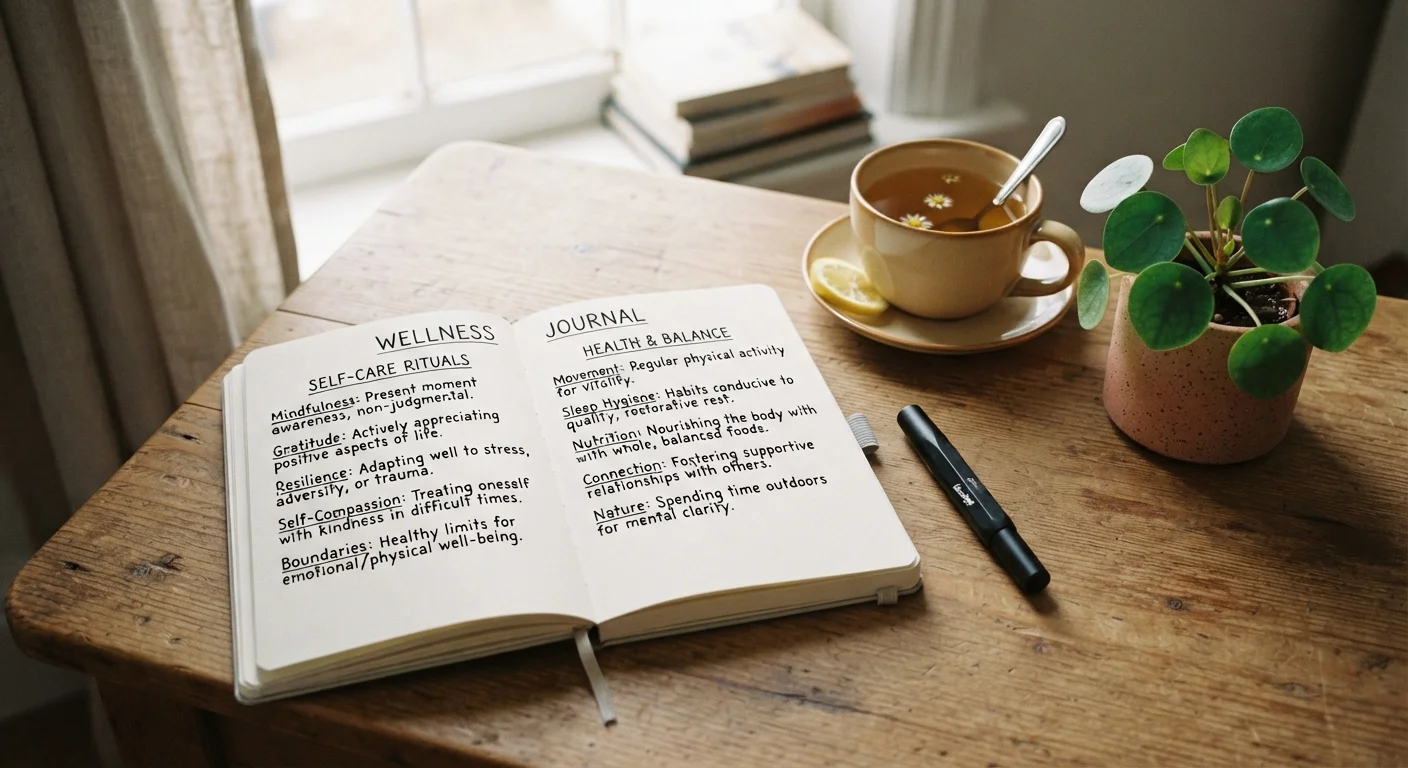
- Sleep: Consistent sleep and wake times regulate the body's circadian rhythm and influence everything from mood to metabolism.
- Movement: Regular physical activity doesn't require a gym - daily walking, stretching, or active chores all count and accumulate meaningfully.
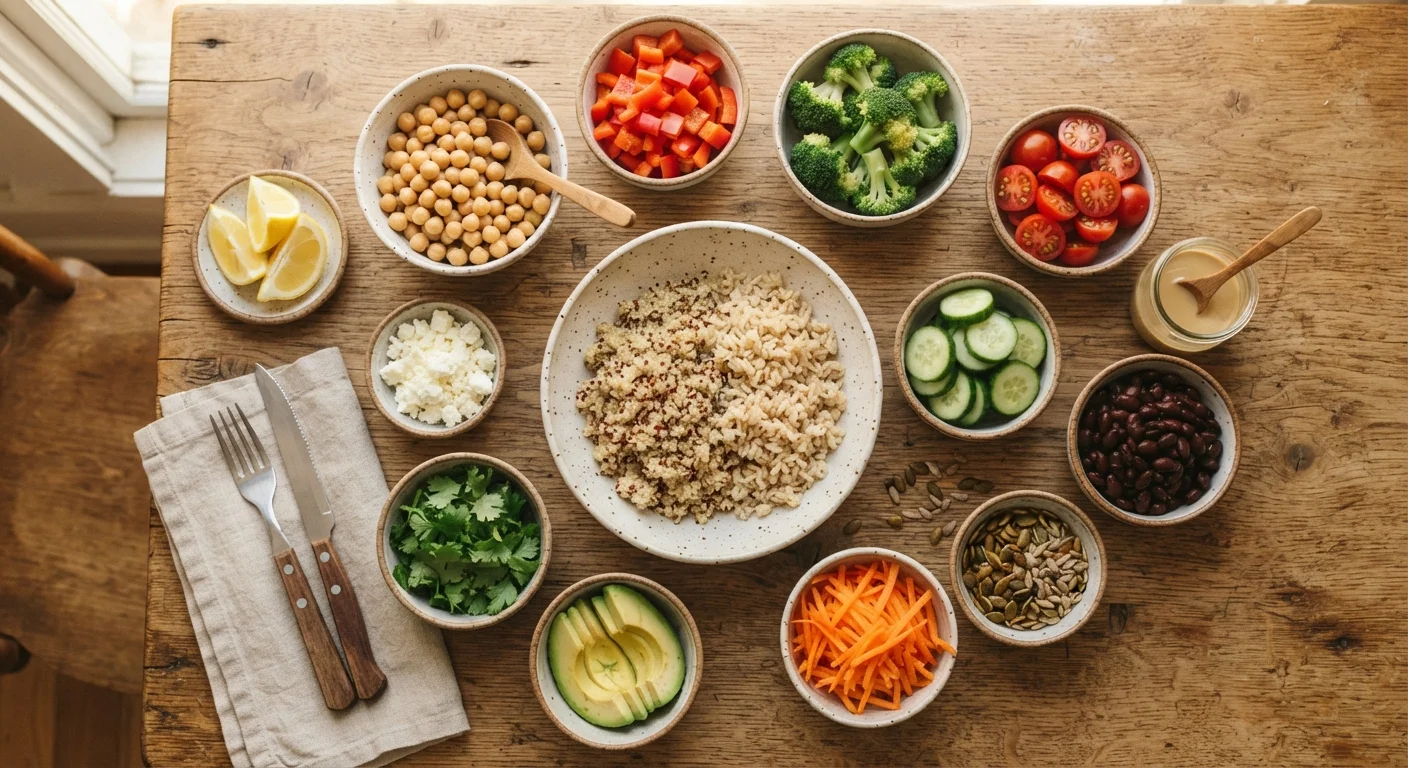
- Nutrition: Patterns matter far more than individual meals. Our Nutrition Habits for Beginners guide covers this in depth.
- Mental wellness: Stress management, social connection, and moments of rest are not luxuries - they're physiological necessities. Our Mental Wellness hub offers practical approaches.
- Hydration: Often underestimated, adequate fluid intake supports energy, concentration, and physical function throughout the day.
When building a new wellness habit, focus on the identity first: "I'm someone who moves every day" - not just the outcome. Behavior tends to follow self-concept more reliably than goal-chasing.
Identity-based habit framing, documented extensively in behavioral science literature, makes new behaviors feel more congruent with who you are, reducing friction over time.
Design your environment before you need willpower. Move the fruit to eye level, lay out your workout gear the night before, and keep your journal on your pillow. Context shapes behavior more than motivation does.
Environmental design research consistently shows that convenience and visibility are stronger predictors of behavior than intention, particularly under stress or fatigue.
How to Start: The Minimum Viable Habit Approach
The most common beginner mistake is starting too ambitiously. A habit so small it feels almost embarrassing is far more likely to survive a hard week than a demanding new regimen you can only sustain when life is perfect.
A practical framework:
- Pick one pillar to focus on first. Don't try to overhaul all five simultaneously.
- Attach the new habit to an existing one (called habit stacking). Example: "After I pour my morning coffee, I will drink a full glass of water first."
- Make the barrier to starting extremely low. Two minutes of stretching is a real habit. Build from there once it sticks.
- Design your environment to make the habit easier - put your walking shoes by the door, prep water bottles the night before.
Consult a Professional for Health Conditions
If you have an existing medical condition, are pregnant, or are managing a mental health concern, general habit-building advice may not fully apply to your situation. Please speak with a qualified healthcare provider before making significant changes to your activity level, sleep schedule, or diet. This guide is educational in nature and is not a replacement for personalized medical guidance.
Troubleshooting: When Habits Stall or Break Down
Stalling is normal, not a failure signal. Understanding why a habit breaks down is far more useful than self-criticism.
Common reasons habits stall:
- The habit was too large to start. Scale it back and rebuild momentum.
- The cue disappeared. Life changes (travel, schedule shifts) remove the environmental trigger. Redesign the cue deliberately.
- The reward wasn't satisfying. Consider whether the behavior actually feels good in any way - if not, explore adjustments rather than forcing it.
- An all-or-nothing mindset. Missing one day is not a broken habit. Research by habit scientists suggests that missing occasionally has little impact on long-term automaticity - what matters is getting back on track quickly.
Watch for the "Fresh Start" Trap
Waiting for Monday, January 1st, or a "perfect" moment to begin is one of the most reliable ways to delay change indefinitely. Any ordinary day is a valid starting point. Similarly, avoid relaunching with a bigger, more ambitious plan after a setback - return to the smallest sustainable version of the habit first, then rebuild.
Tracking Progress Without Obsessing Over It
Tracking can reinforce habits powerfully - but over-tracking can turn wellness into a source of anxiety rather than support. The goal is awareness, not judgment.
Effective, low-stress approaches include:
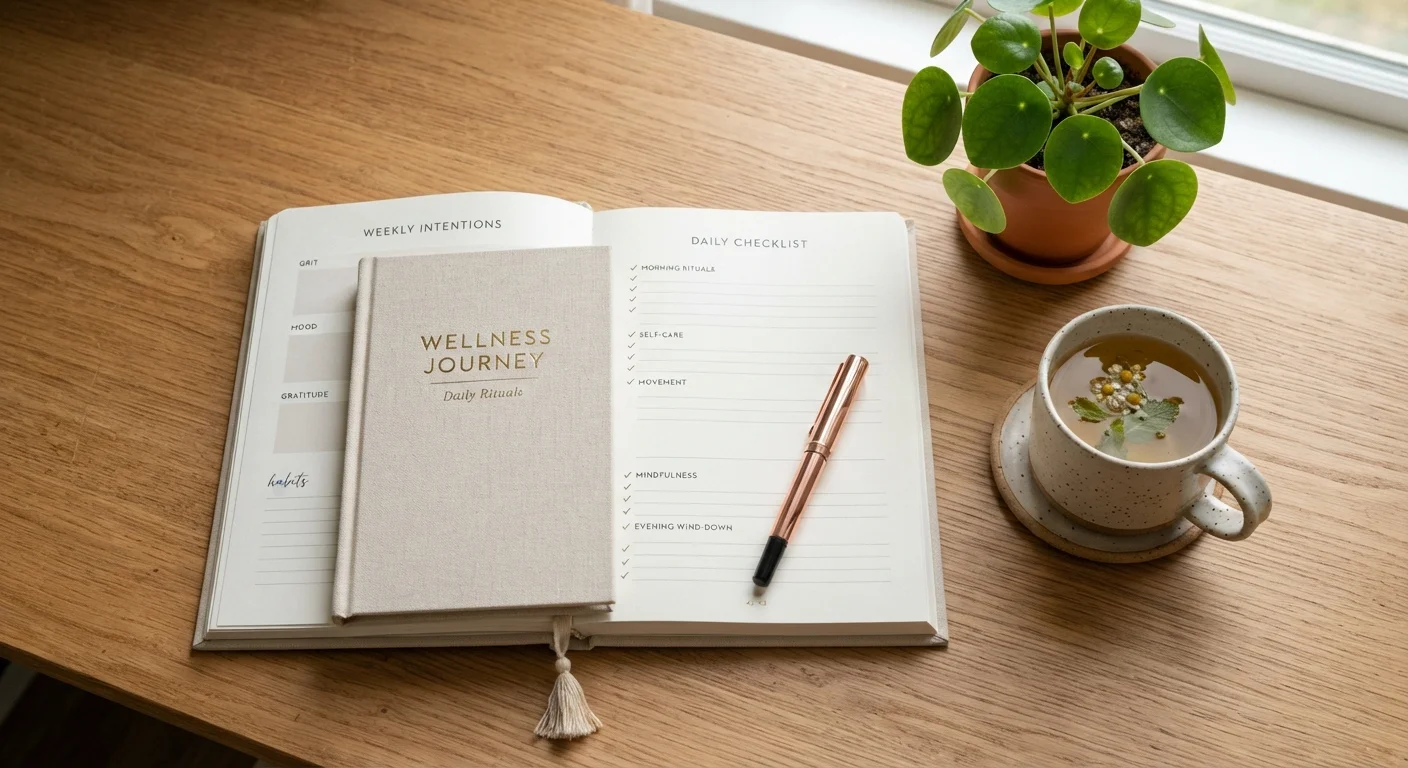
- A simple paper habit tracker (check-boxes for each day) that takes under 30 seconds to update.
- A brief weekly self-audit - our Weekly Wellness Check-In guide offers a ready-made structure covering sleep, movement, nutrition, and mental health.
- Monthly reflection questions: What felt easy? What felt forced? What do I want to adjust?
Remember: this guide is general health information and not a substitute for personalized advice from a qualified healthcare professional. If you're navigating a specific health condition, consult your provider before making significant changes to your routine.
Weekly Wellness Check-In Self-Audit
A structured weekly checklist covering sleep, movement, nutrition, and mental health to help you spot gaps before they become patterns.
Nutrition Habits for Beginners
Covers sustainable eating patterns - not rigid meal plans - to support energy, focus, and long-term health for complete beginners.
Healthy Habits Reference Glossary
Plain-English definitions for terms like circadian rhythm, habit loop, and more - a useful companion when exploring wellness research.
This article is for informational purposes only and is not medical advice. Always consult a qualified healthcare professional before making changes that may affect your health.