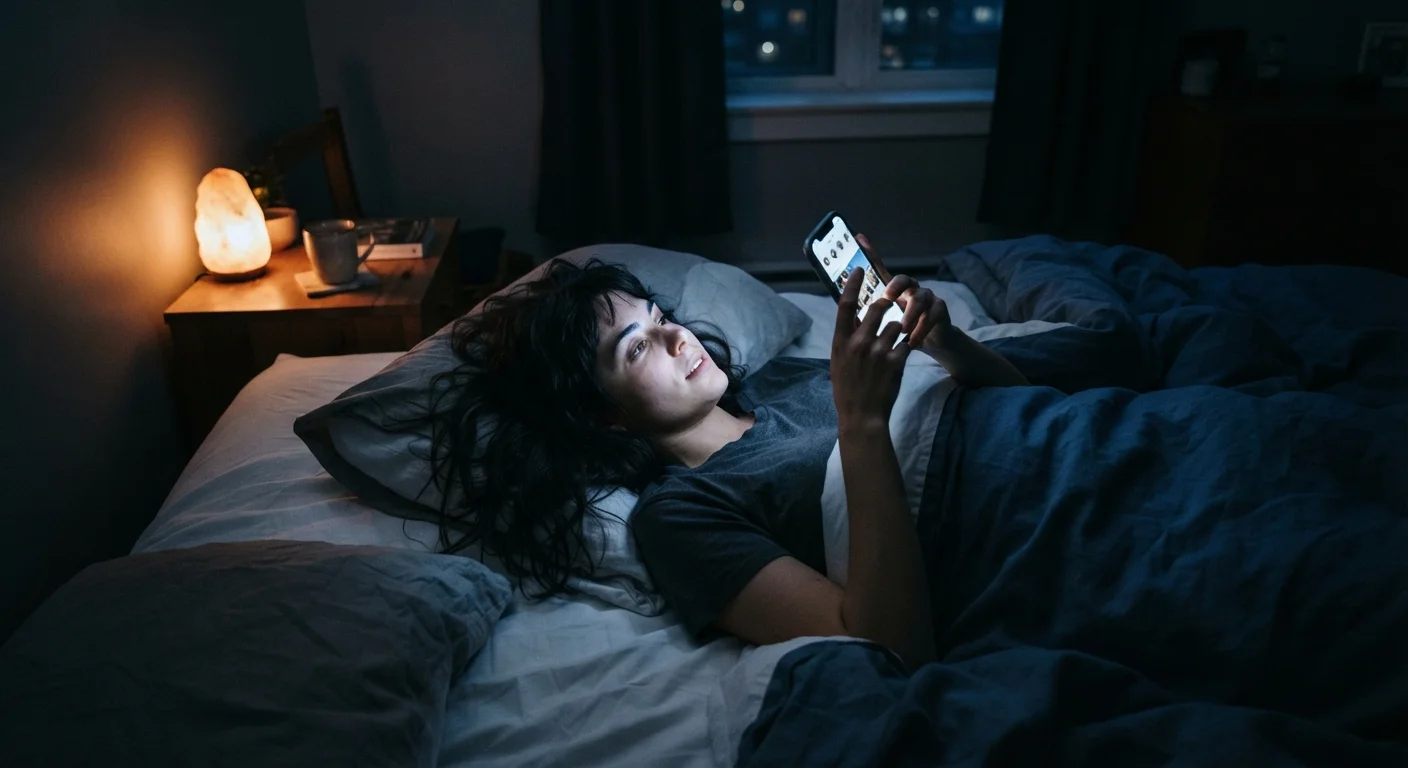

Why Screen Time Became a Wellness Flashpoint
Barely a week goes by without a headline declaring that smartphones are rewiring our brains or that social media is a mental health epidemic. Some of that concern is grounded in real evidence - but a lot of it is driven by moral panic, methodological weakness, and the natural tendency to blame the newest technology for age-old anxieties.
This article walks through the most common beliefs people hold about screens and mental health, separates what the research actually supports from what is still contested, and offers a more grounded way to think about your own digital habits. For a broader look at how everyday behaviors shape emotional resilience, see our guide to daily habits that support mental health.
Myth
All screen time is bad for your mental health.
Fact
Research consistently shows that the type and context of screen use matters far more than raw hours spent on a device.
Large-scale studies, including work published in journals like Psychological Science, have found that the relationship between screen time and wellbeing is small in statistical terms and highly dependent on what you're doing on screen. Video calling a friend, following a creative hobby online, or using a health app is very different from endlessly scrolling through algorithmically curated feeds at midnight. Grouping all screen use together - gaming, reading news, attending a work meeting - makes the "screen time bad" narrative feel more certain than the evidence warrants.
Myth
Blue light from screens is the main reason screens disrupt sleep.
Fact
Blue light exposure from devices plays a modest role; the bigger sleep disruptors are stimulating content and delayed bedtimes caused by device use.
Blue light can suppress melatonin production, but the screens most people use emit relatively low levels compared to daylight. Research suggests that the mental stimulation of engaging content - the pull of a gripping show or a heated comment thread - keeps the brain alert far more powerfully than the light wavelength itself. Putting your phone down 30-60 minutes before bed and keeping a consistent sleep schedule tend to have more measurable impact than any filter or "night mode" setting alone.
Myth
Social media always makes people feel worse about themselves.
Fact
Passive, comparison-driven browsing is linked to lower mood, but active, reciprocal social media use can support feelings of connection.
A useful distinction in the research is between passive consumption - scrolling without interacting, absorbing curated highlight reels - and active engagement, such as direct messaging, commenting meaningfully, or sharing personal updates. Studies suggest passive use is more reliably associated with upward social comparison and lower wellbeing, while active use can feel more like real social connection. The platform design also matters: features that maximize passive scrolling are built specifically to hold attention, not to promote emotional health.
Myth
There is a scientifically proven safe daily screen time limit for adults.
Fact
No major health body has established a consensus evidence-based daily screen time limit for adults, because the relationship is too context-dependent.
Guidelines for children and teens exist - partly because developing brains and displacement of sleep or physical activity are genuine concerns - but adult recommendations largely don't exist in the same form. What researchers tend to recommend instead is a self-aware approach: notice how you feel during and after different types of screen use, look for patterns of displacement (is screen time replacing sleep, movement, or in-person connection?), and adjust based on your own observations rather than a universal number.
Myth
A complete digital detox is necessary to reset your relationship with screens.
Fact
Smaller, consistent boundary-setting tends to be more sustainable and effective than periodic total abstinence.
Total digital detoxes are appealing in concept, but the research on behavioral change suggests that abrupt elimination of a habitual behavior is harder to maintain than gradual, structured adjustment. Practical changes - such as keeping devices out of the bedroom, turning off non-essential notifications, or designating specific screen-free times during the day - are more likely to produce lasting shifts. Our weekly wellness self-audit includes prompts to help you notice where screen habits might be crowding out more restorative activities.
What the Evidence Actually Supports
After reviewing the myth-and-fact pairs above, a clearer picture emerges: screens are not poison, but they are not neutral either. The strongest signals in the research point to how you use devices - not simply for how many hours - as the more meaningful factor in wellbeing outcomes.
~1 hr
Estimated effect size of social media on wellbeing
A large-scale analysis in Nature Human Behaviour found the association between digital technology use and adolescent wellbeing was roughly equivalent to wearing glasses - statistically detectable but small in practical terms.
2-3×
Greater sleep disruption from content than blue light
Sleep researchers estimate that behavioral factors - late-night stimulating content and delayed bedtimes - contribute more to screen-related sleep disruption than blue light wavelength alone.
57%
Adults who say they try to limit screen time
According to Pew Research Center survey data, a majority of U.S. adults report actively attempting to reduce their own device use, reflecting widespread personal concern about the habit.
Evening screen use genuinely does interact with sleep quality, primarily through behavioral displacement (staying up later) rather than blue light alone. For a deeper look at that specific pattern, our article on screen time and sleep covers the mechanisms and practical adjustments in more detail.
If you're looking for ways to improve your mental wellness that go well beyond screen management, these zero-cost mental wellness strategies are worth exploring.
When Screen Habits Warrant Professional Attention
If you notice that device use is significantly interfering with sleep, work, relationships, or your sense of control - or if you feel anxious or distressed when unable to access your phone - these are worth discussing with a mental health professional. This article addresses everyday habits, not clinical conditions. Please reach out to a qualified provider if you have concerns that go beyond general wellness.
This article is for general informational purposes only and is not a substitute for professional medical or mental health advice. If you have concerns about your mental health, please speak with a qualified healthcare provider.