
Two Terms That Often Get Tangled
If you've ever used "mental wellness" and "mental health" interchangeably, you're not alone. These phrases overlap, appear side by side in headlines, and are often treated as synonyms. But they describe meaningfully different things - and understanding that difference can actually change how you approach your own well-being.
Mental health is the broader umbrella. It encompasses everything from your emotional and psychological functioning to diagnosable conditions like depression, anxiety disorders, PTSD, and bipolar disorder. When clinicians talk about mental health, they're often discussing assessment, diagnosis, and treatment.
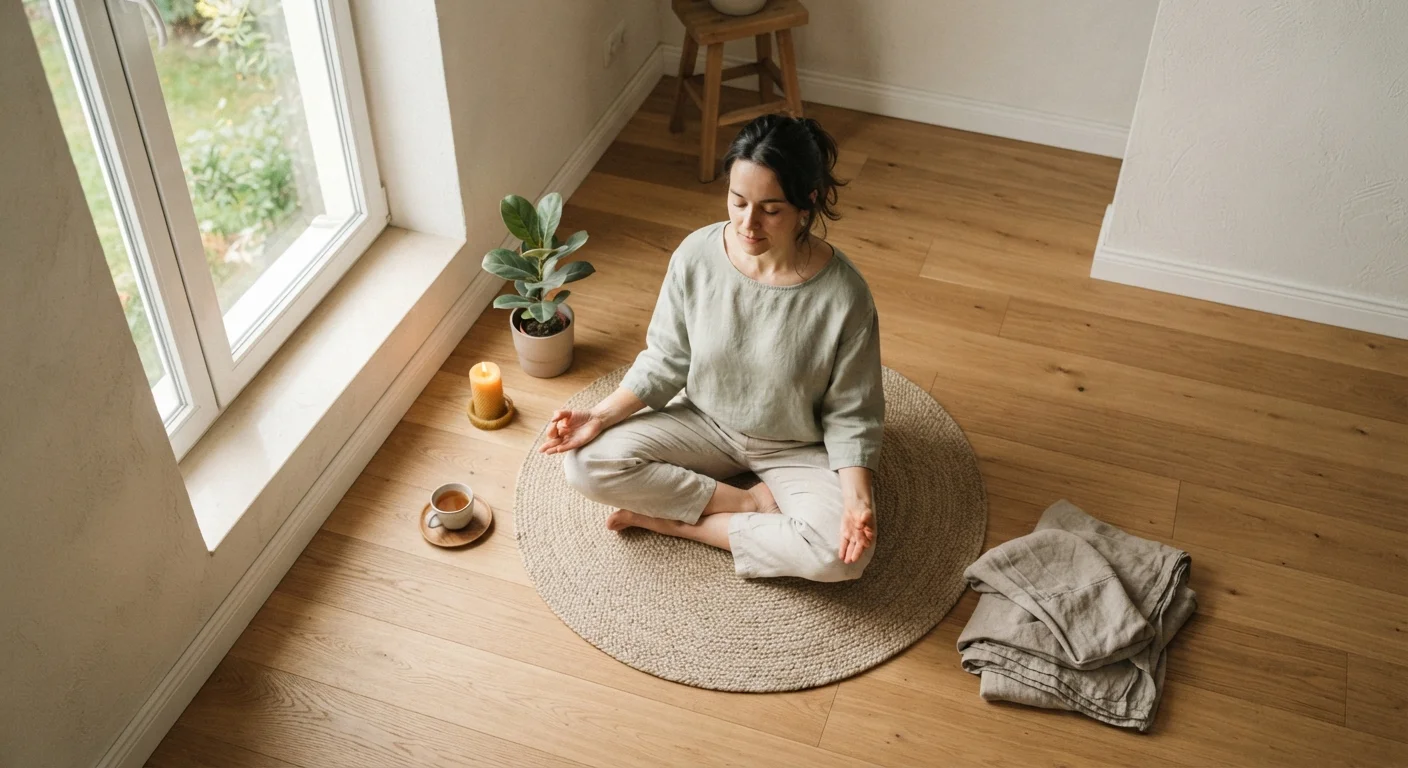
Mental wellness, on the other hand, is best understood as the active, ongoing dimension of mental health. It's what you do every day - how you manage stress, build relationships, rest, and find meaning - that shapes your overall psychological resilience. Think of it less like a diagnosis and more like a practice, similar to physical fitness.
A Note on Language
The terms "mental health" and "mental wellness" are used differently across healthcare systems, wellness industries, and everyday conversation. This article uses them as described above, but you may encounter other definitions depending on the context. What matters most is understanding what supports your own well-being - whatever language feels right to you.
Why the Distinction Actually Matters
Here's the most important thing to understand: you don't need a mental health diagnosis to benefit from mental wellness practices - and having a diagnosis doesn't exclude you from them.
Mental wellness exists on a spectrum. On any given week, a person might feel energized, connected, and focused - or depleted, isolated, and scattered. Neither extreme defines a permanent state. That fluidity is exactly why proactive wellness habits matter so much. They don't prevent every hard stretch, but they build the internal resources you draw on when life gets difficult.
This framing also removes some of the stigma that can surround conversations about mental health. Talking about mental wellness feels more accessible to many people - it's not about being "sick" or "fixed," it's about growing your capacity to thrive.
1 in 5
U.S. adults experience mental illness each year
According to the National Alliance on Mental Illness (NAMI), approximately 1 in 5 adults in the U.S. experiences a mental illness in a given year - underscoring why mental wellness practices matter to nearly everyone.
~50%
Of mental health conditions begin by age 14
The World Health Organization reports that roughly half of all lifetime mental health conditions begin by age 14, highlighting the value of building wellness habits early in life.
3 in 4
People with mental illness receive no treatment
WHO data indicates that in many countries, the majority of people with diagnosable mental health conditions receive no professional care, making self-directed wellness practices even more relevant for broad populations.
What Mental Wellness Actually Looks Like
Mental wellness shows up in practical, everyday ways. Researchers and clinicians often point to a few core dimensions:
- Emotional regulation: The ability to notice and manage your feelings without being overwhelmed by them.
- Resilience: Bouncing back from setbacks with perspective rather than getting stuck.
- Connection: Maintaining relationships that feel supportive and reciprocal.
- Purpose: Having activities or values that give your daily life a sense of meaning.
- Self-awareness: Recognizing your own patterns, triggers, and needs.
None of these are all-or-nothing. You might feel solid in one area and shaky in another - and that's normal. The goal isn't perfection; it's gradual, honest progress.
If you're curious about specific practices that support these dimensions, our guide on building a daily mental wellness routine walks through how to layer small, evidence-informed habits into everyday life.
Start With One Wellness Anchor
If building mental wellness feels overwhelming, choose just one consistent daily anchor - a five-minute walk, a short journal entry, or a set bedtime. Research on habit formation suggests that consistency with one manageable practice often creates positive momentum toward others. Small and sustainable always beats ambitious and short-lived.
Mental Wellness Is for Everyone - At Every Stage
One of the most empowering things about mental wellness is its universality. It isn't reserved for people going through a crisis, and it doesn't require a therapist's office to get started. Of course, professional support is valuable and sometimes essential - if you're struggling significantly, please reach out to a qualified mental health provider.
But for most people, much of what shapes mental wellness happens in small decisions: how you start your morning, how you respond to conflict, whether you make time to rest. You might also explore practices like mindfulness or meditation as part of your toolkit - our article on mindfulness vs. meditation can help clarify what each involves.
It's also worth noting that needs evolve. What supports your well-being in your twenties may look quite different in your fifties. If you're thinking longer-term, mental wellness across the lifespan explores how priorities shift with age.
This article is for general informational and educational purposes only and is not a substitute for professional mental health advice, diagnosis, or treatment. If you have concerns about your mental health, please consult a qualified healthcare professional.