Why the Confusion Exists
The words "mindfulness" and "meditation" get used interchangeably so often that most people assume they mean the same thing. They don't - but they are closely related, which is exactly why the overlap can feel murky.
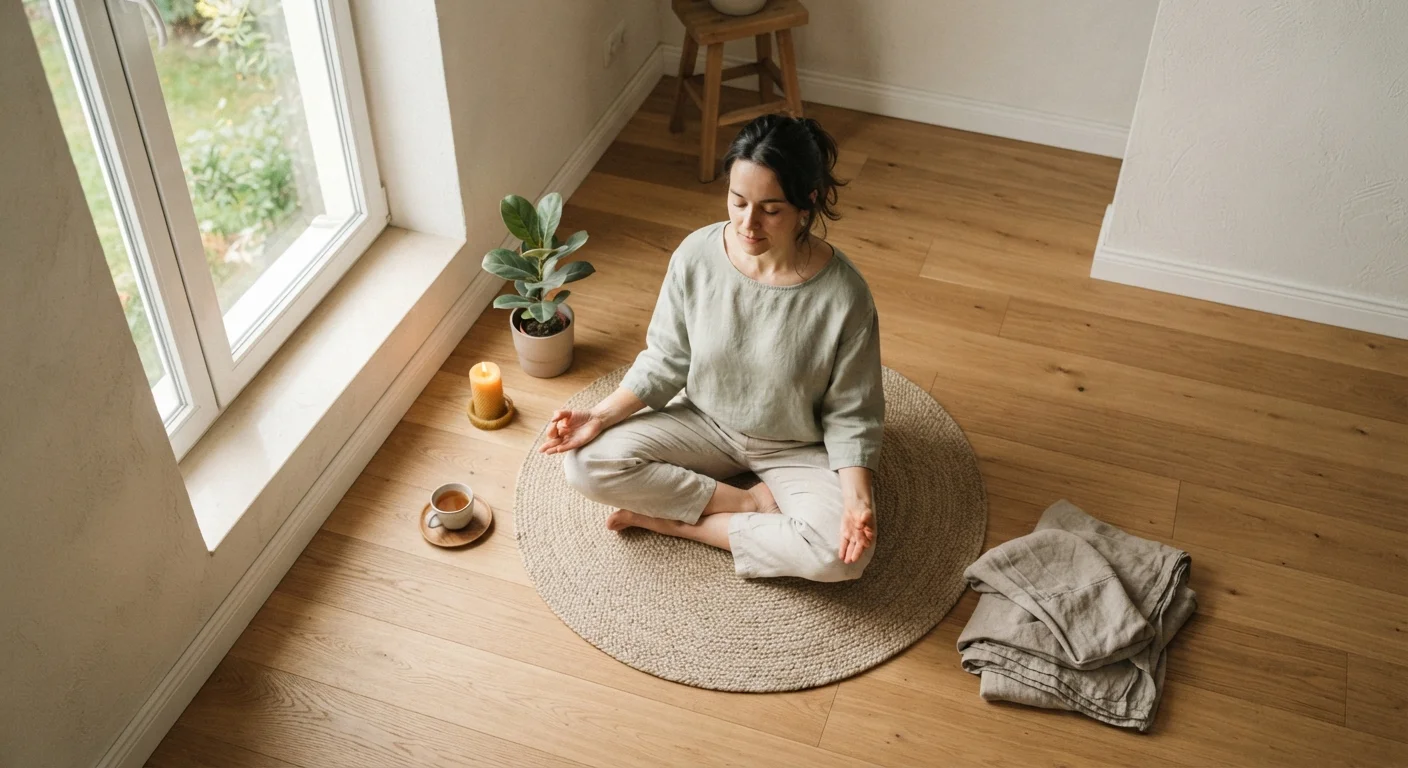
Think of it this way: mindfulness is a quality, and meditation is often a practice that cultivates that quality. You can be mindful without meditating - paying full, non-judgmental attention to eating lunch, for example - and you can meditate in ways that don't emphasize mindfulness at all, such as a loving-kindness or visualization exercise.
Understanding the distinction matters because it helps you choose the approach that actually fits your life. If you've ever felt put off by the image of sitting silently for 30 minutes, knowing that mindfulness doesn't require that might open a door you thought was closed. For a broader look at how practices like these fit into overall mental well-being, see our explanation of mental wellness vs. mental health.
Mindfulness vs. Meditation: A Side-by-Side Look
The table below lays out the key contrasts across practical dimensions most readers care about.
| Criterion | Mindfulness | Meditation |
|---|---|---|
| What it is | A quality of present-moment awareness | A deliberate practice session |
| When it happens | Anytime, during any activity | During a set-aside period |
| Time required | No extra time needed | Typically 5-30 minutes per session |
| Structure | Informal, woven into daily life | Formal, with a clear start and end |
| Learning curve | Gentle - anyone can begin immediately | Mild - benefits from guidance at first |
| Research support | Associated with reduced stress and anxiety | Associated with improved focus and emotional regulation |
One thing the table can't capture: these two approaches aren't in competition. Research published through institutions like the American Psychological Association suggests that brief, informal mindfulness moments during the day and formal meditation sessions can reinforce each other - the practice deepens the awareness, and the awareness enriches the practice.
~14%
U.S. adults who meditate regularly
A National Center for Health Statistics survey found a notable rise in meditation practice among U.S. adults over recent years, though most still haven't tried it.
8 weeks
Duration of standard MBSR programs
Mindfulness-Based Stress Reduction (MBSR), one of the most studied mindfulness programs, runs for eight weeks - suggesting meaningful change takes consistent, not marathon, effort.
How to Start - Without Overwhelm
You don't need an app, a cushion, or a yoga studio to begin. Here are practical entry points for each:
Starting with mindfulness
- Single-task on purpose: Pick one daily activity - morning coffee, brushing your teeth - and give it your full attention for its entire duration.
- Notice without judging: When a thought or feeling arises, practice labeling it lightly ("that's worry," "that's impatience") rather than pushing it away or chasing it.
- Use sensory anchors: Tune into what you can hear, feel, or smell right now. Sensory detail naturally pulls attention back to the present.
Starting with meditation
- Keep sessions short: Even five minutes of focused breathing can be a complete session. Consistency matters more than duration, especially at first.
- Choose a simple focus: Breath is the most accessible anchor - notice the physical sensation of each inhale and exhale, and gently return when your mind wanders.
- Time it simply: Set a gentle alarm rather than watching a clock. This removes one source of distraction.
Mental wellness habits like these can also support better sleep - something our article on sleep and mental health explores in depth.
Mindfulness Isn't Always Enough on Its Own
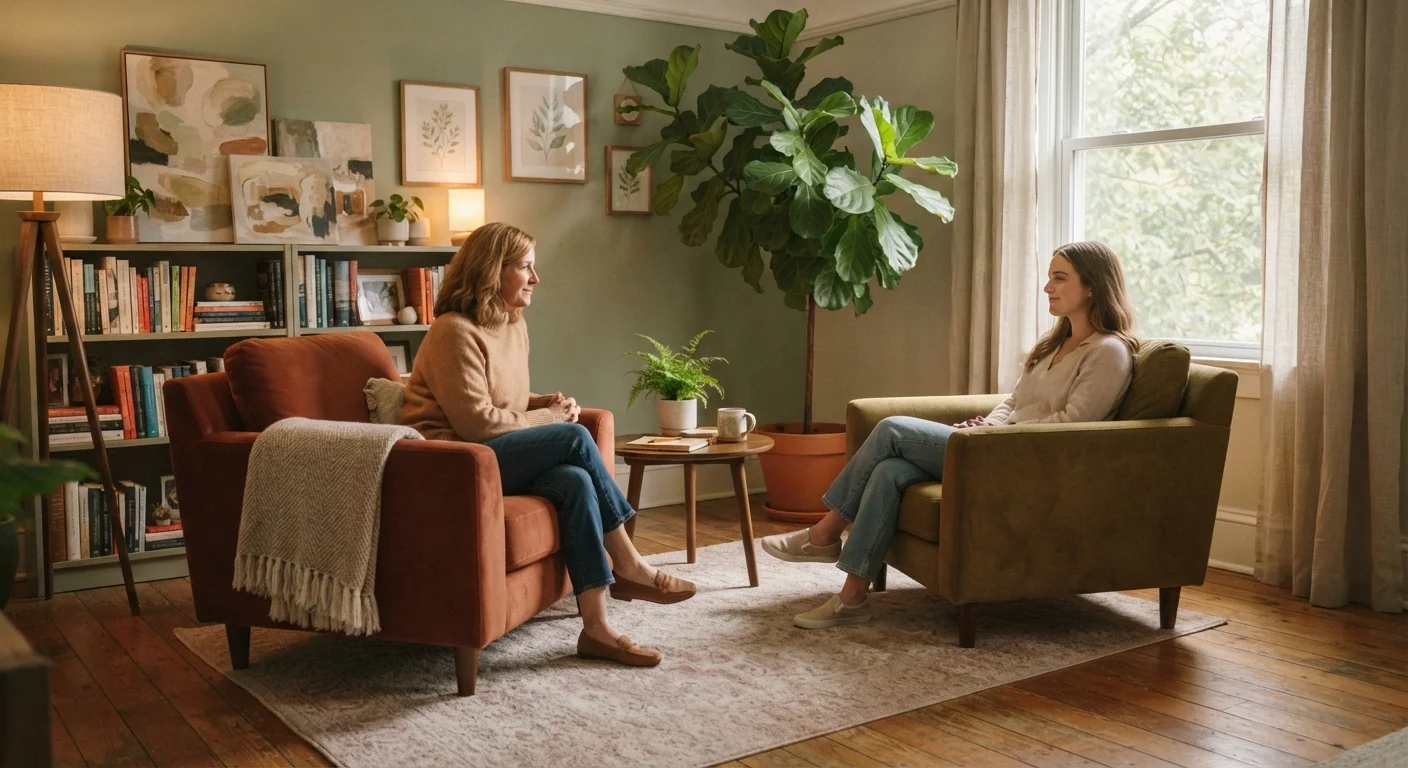
Mindfulness and meditation are valuable tools for everyday mental well-being, but they are not treatments for clinical conditions. If you're managing anxiety, depression, trauma, or another mental health concern, these practices may complement - but should not replace - care from a qualified professional. Our article on common therapy myths can help you get a clearer picture of what professional support actually looks like.
This article is for general informational purposes only and is not a substitute for professional mental health advice, diagnosis, or treatment. If you're experiencing significant distress or mental health symptoms, please reach out to a qualified healthcare professional.