What Makes a Project DIY-Friendly
Not every home improvement task carries the same level of risk or complexity. DIY-friendly projects generally share a few traits: mistakes are visible and correctable before they become serious, the required tools are common and affordable, and the work doesn't touch systems that are regulated for safety reasons.
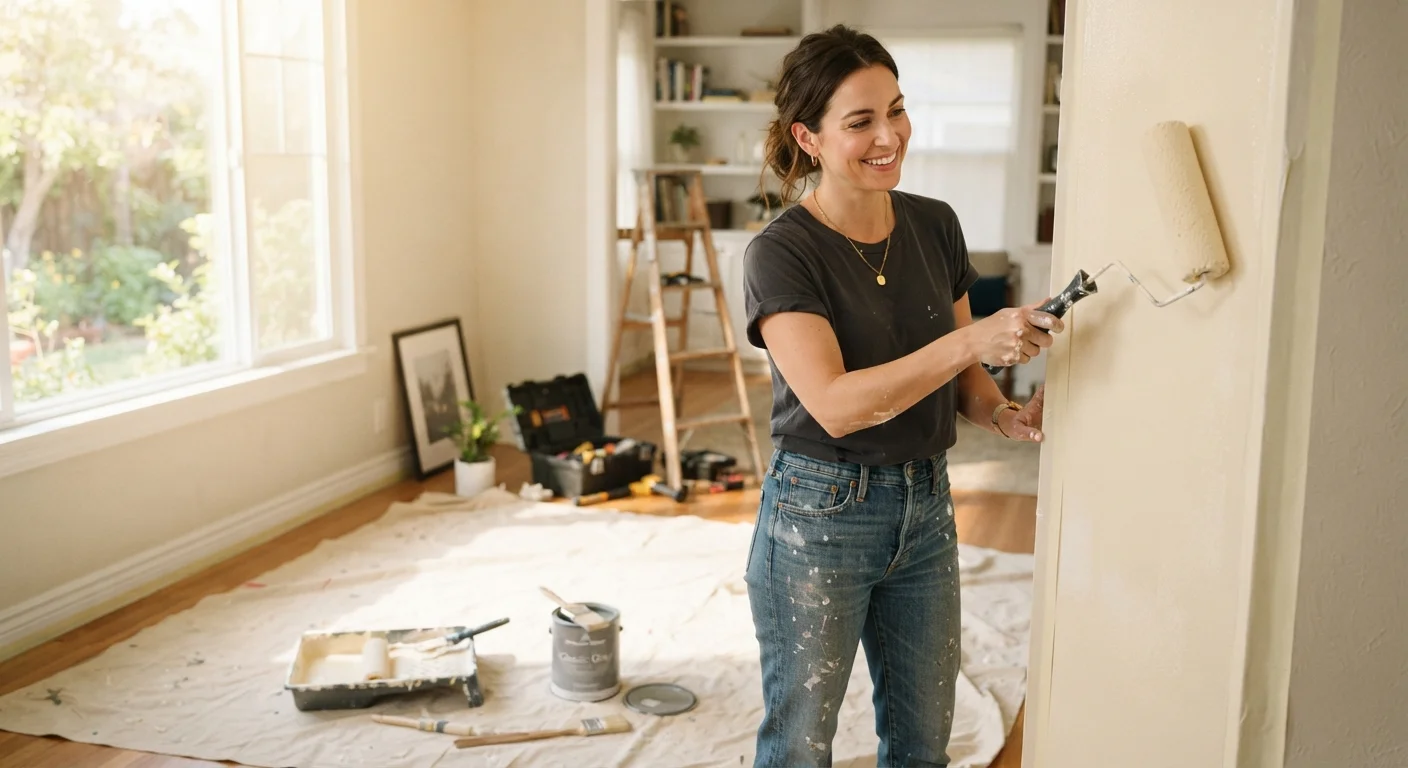
Painting walls, replacing cabinet hardware, patching drywall nail holes, caulking around a tub, swapping out a light switch cover plate, or installing a new showerhead are all examples of tasks where a beginner can learn as they go without significant danger. These jobs reward patience and careful preparation more than specialized training.
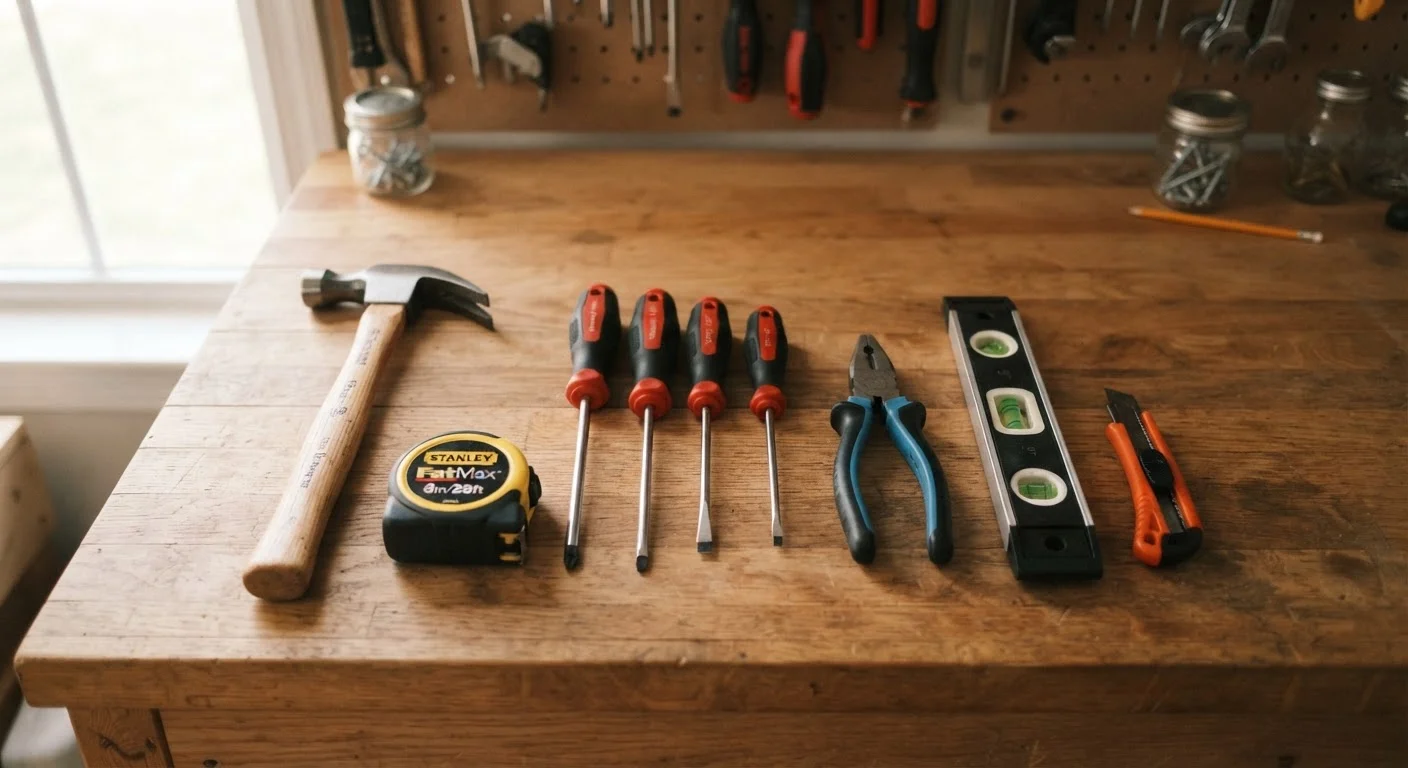
If you're getting started, building a basic toolkit is a natural first step. See our guide to essential hand tools for a plain-language breakdown of what each tool does and when you'll reach for it.
Saves money on labor for simpler tasks
Labor often makes up the majority of a contractor's bill. Handling straightforward jobs yourself - painting, caulking, minor repairs - can result in meaningful savings, especially when materials are inexpensive.
Builds practical skills over time
Each completed project adds to your understanding of how your home works. Beginners who start small often find they're ready to tackle more complex repairs after a few successful attempts.
Flexible scheduling on your own timeline
You're not waiting for contractor availability or adjusting your schedule around service windows. Smaller repairs can be addressed as soon as you have the time and materials.
Greater control over materials and quality
When you do the work yourself, you choose every product and can take the time needed to do each step carefully, rather than relying on a contractor's pace or material choices.
Satisfying sense of accomplishment
Completing a visible improvement to your home - even something as simple as a freshly painted room - builds confidence and a sense of ownership over your living space.
The Real Costs and Benefits of Going DIY
Labor typically accounts for a large share of any contractor estimate, so doing work yourself can result in genuine savings on simpler projects. Repainting a room, for instance, requires mostly your time and a modest investment in supplies. That said, cost savings can disappear quickly if a project goes wrong and requires professional correction - a patched wall that bubbles, a faucet that leaks behind a cabinet, or grout that cracks within months.
35%-50%
Typical labor share of home project costs
Industry estimates commonly place labor at 35-50% of total project costs for many interior improvements, though this varies widely by trade and region.
~1 in 3
DIY projects that require a redo or professional fix
Survey data from home improvement research organizations suggests a significant share of DIY attempts result in some form of rework, underlining the value of realistic project assessment.
It's also worth factoring in the value of your time honestly. A task that takes a professional two hours might take a beginner an entire weekend - including trips to the hardware store and a few restarts. That's not a reason to avoid DIY, but it is a reason to budget time alongside money. The budgeting basics framework of comparing costs across realistic scenarios applies here just as it does to household finances.
Where DIY Gets Risky: Know the Limits
Some categories of home improvement should almost always involve a licensed professional. Electrical work beyond replacing a light switch or outlet cover - such as adding circuits, upgrading a panel, or running new wiring - carries real risk of fire or electrocution if done incorrectly. Gas line work is similarly high-stakes and is regulated in most jurisdictions. Structural modifications, including removing walls (which may be load-bearing), altering roof framing, or underpinning a foundation, require engineering knowledge and often professional oversight.
Plumbing work that connects to the main supply or drain lines is another common area where DIY errors cause costly damage - water intrusion inside walls can lead to mold and rot that's far more expensive to remediate than the original job would have cost.
When a Permit Is Required
In most U.S. jurisdictions, work involving electrical circuits, plumbing connections to supply or drain lines, structural changes, and HVAC modifications requires a building permit and inspection. Requirements vary by municipality, so always check with your local building department before starting a project you're unsure about. Unpermitted work can affect your homeowner's insurance coverage and complicate a future home sale.
Many of these projects also require permits and inspections. Skipping that step isn't just a technicality - unpermitted work can complicate home sales, void homeowner's insurance claims, and leave you liable for code violations. Our article on when permits are actually required explains what's typically regulated and why it matters.
Mistakes can be costly to undo
A poorly executed DIY repair sometimes requires professional correction, making the total cost higher than hiring out in the first place. Water damage, uneven finishes, and structural missteps are common examples.
Some work is legally required to be permitted
Regulated tasks - including electrical, plumbing, and structural work - typically require permits and inspections. Doing this work without proper authorization can create legal and insurance complications.
Hazardous systems require licensed professionals
Electrical panels, gas lines, and load-bearing structures are not appropriate for untrained DIYers. Errors in these areas can cause fires, flooding, structural failure, or serious injury.
Time investment is often underestimated
Beginners typically take longer than experienced contractors, with added time for research, supply runs, and corrections. What looks like a quick Saturday project can stretch across several days.
Upfront tool costs reduce savings on early projects
If you don't already own the necessary tools, purchasing them for a single project may offset the labor savings - though tools do pay for themselves over multiple future jobs.
How to Approach Your First Projects Safely
The most effective way to build DIY confidence is to start small and treat each project as a learning experience rather than just a task to complete. Choose a job where a mistake is recoverable - touching up paint, replacing a door handle, or re-caulking a window frame. Work slowly, read the instructions on any product you're using, and don't skip the preparation steps.
Before you pick up a tool, run through a basic safety check for your workspace. Our pre-project safety checklist walks through what to confirm before you start - from verifying your tools are in safe condition to making sure your workspace is clear of hazards.
As your skills develop, you'll naturally build a sense of which jobs are within your reach and which warrant a call to a professional. That judgment is itself one of the most valuable things a homeowner can develop - and it comes from experience, not just reading. For ideas on low-effort upgrades with real impact, see small upgrades that make an outsized difference in older homes.