Understanding the Two Contenders
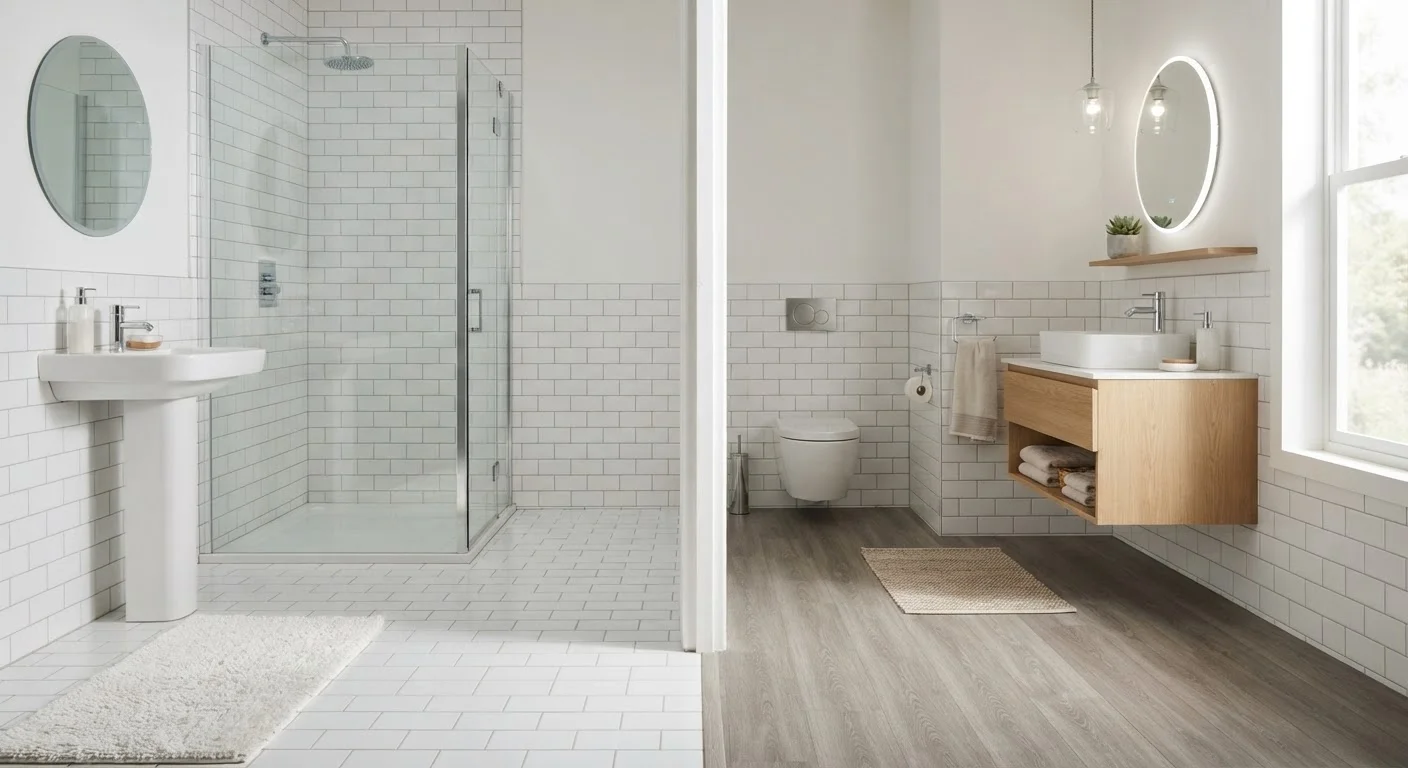
When it comes to wet rooms - bathrooms, laundry rooms, and kitchens - your flooring faces a daily gauntlet of spills, humidity, and cleaning chemicals. Two materials dominate these spaces: ceramic or porcelain tile and luxury vinyl plank (LVP).
Tile is a fired clay product, with porcelain being denser and less porous than ceramic. Both create a genuinely hard, water-resistant surface. LVP, on the other hand, is a multi-layer synthetic flooring product. Its core is typically made from PVC (polyvinyl chloride), topped with a photographic wear layer and a protective coating. Despite being synthetic, quality LVP realistically mimics wood or stone and handles moisture very well.
Understanding what each material is made of helps explain why they behave so differently in wet conditions - and why neither is a perfect fit for every situation.
Water Resistance: Who Wins?
Tile earns its reputation in wet rooms for good reason. The tile itself is essentially impervious to water - especially porcelain, which absorbs less than 0.5% moisture. The vulnerability lies in the grout lines between tiles. Unsealed or deteriorating grout can absorb water, leading to mold and subfloor damage over time.
LVP is also highly water resistant. Most quality LVP products are 100% waterproof at the plank level, meaning standing water won't warp or swell them the way it would traditional hardwood. However, if water seeps beneath the planks through gaps at seams or edges - especially around toilets or tubs - it can damage the subfloor underneath without you noticing immediately.
Check Subfloor Flatness Before Installing Either
Both tile and LVP demand a flat, stable subfloor to perform well. Tile over an uneven subfloor can crack at grout lines, while LVP over bumps can produce hollow-sounding spots and stress the click-lock joints. Use a long straightedge to check your floor before you buy materials - fixing the subfloor first saves significant trouble later.
The practical difference: tile with well-sealed grout is the safer choice in areas with constant water exposure (like shower floors), while LVP performs excellently on bathroom floors and kitchen areas where spills are occasional rather than constant.
Installation Difficulty: A Real Factor for Beginners
Tile installation is genuinely demanding. It requires a flat, solid subfloor, the right mortar or thinset, careful cutting with a wet saw, consistent spacing with tile spacers, and then grouting - a multi-step process that typically spans two or more days. Mistakes are hard to reverse once mortar sets.
LVP installation is far more beginner-accessible. Most LVP uses a click-lock system that snaps planks together without adhesive, similar to laminate flooring. You'll still need to prepare the subfloor and leave expansion gaps at walls, but the learning curve is much gentler. Many homeowners complete a bathroom or kitchen floor in a single day.
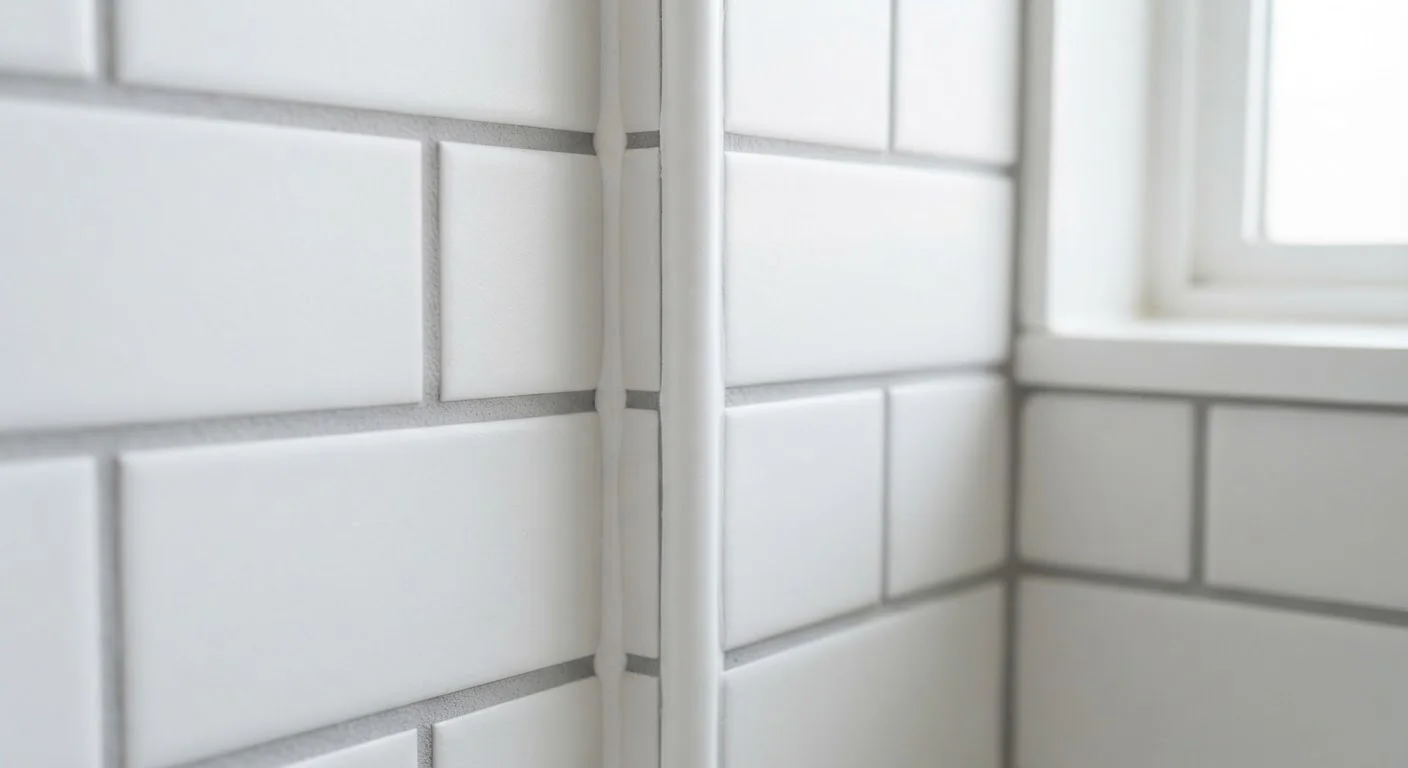
If you've never done flooring before, LVP gives you a realistic path to a professional-looking result. Tile, while achievable as a DIY project with patience, benefits significantly from prior experience or a dry run on a small area first. For finishing work around tile, see our guide on when to use caulk vs. grout - the distinction matters more than most beginners expect.
| Tile Flooring | Luxury Vinyl Plank | |
|---|---|---|
| Water Resistance | Excellent (tile); grout needs sealing | Excellent; edges/seams are vulnerable |
| DIY Installation Difficulty | High - tools, mortar, grouting required | Low - click-lock, no adhesive needed |
| Upfront Cost | Moderate to high with materials and labor | Generally lower, less tooling required |
| Comfort Underfoot | Hard and cold | Softer and warmer |
| Durability | Very high - lasts decades | Good - may need replacing sooner |
| Ongoing Maintenance | Grout sealing and cleaning required | Simple sweeping and mopping |
Cost, Comfort, and Long-Term Maintenance
Material costs vary widely, but as a general guideline, LVP tends to be less expensive per square foot than mid-grade porcelain tile when you factor in the mortar, grout, and tools tile requires. Labor costs for professional tile installation are also typically higher than for LVP.
On comfort, LVP has a clear edge. Tile is hard and cold - anyone who's stepped onto a bathroom floor barefoot on a winter morning knows this immediately. LVP has a slight give underfoot and retains warmth better. If radiant floor heating is in your plans, tile is the better conductor, while LVP compatibility with heating systems varies by product - check manufacturer specs carefully.
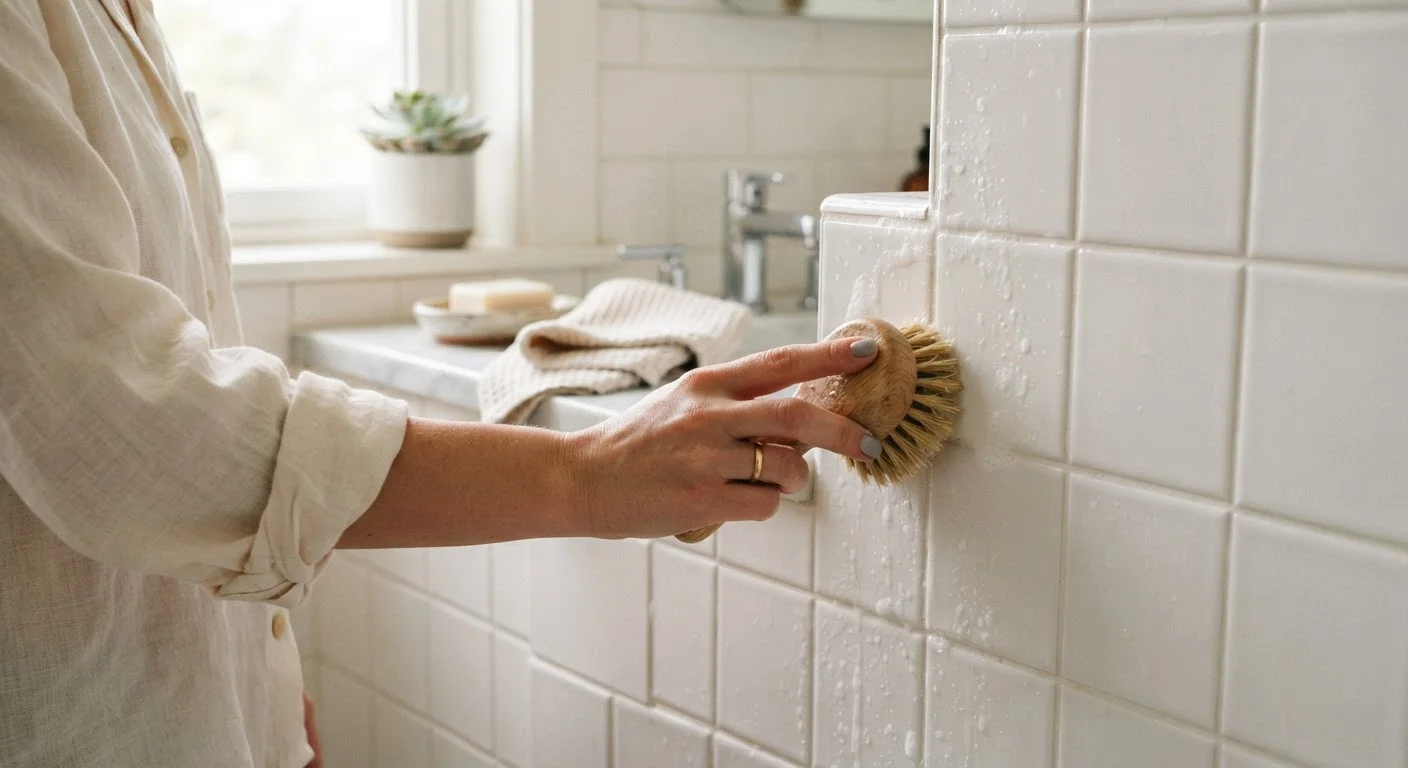
Maintenance is where the trade-off becomes most apparent. LVP requires only regular sweeping and mopping with a pH-neutral cleaner. Tile is similarly easy to clean on the surface, but grout demands more attention. Unsealed grout stains and harbors bacteria. Establishing a sealing routine is essential - our article on keeping grout clean and sealed walks through exactly how to protect your investment without spending a fortune.
15-20 years
Typical lifespan of quality LVP flooring
Industry estimates suggest well-maintained luxury vinyl plank in residential settings lasts 15-20 years before replacement is commonly considered.
50+ years
Potential lifespan of properly maintained tile
Porcelain and ceramic tile can last for decades when the tile itself is undamaged and grout is kept sealed and intact.