
Where the 'High-Yield' Label Comes From
Walk into any traditional bank and open a standard savings account. The interest rate on that account - expressed as an APY, or Annual Percentage Yield - has historically hovered near the national average, which has often been quite low. A high-yield savings account simply beats that average by a significant margin.
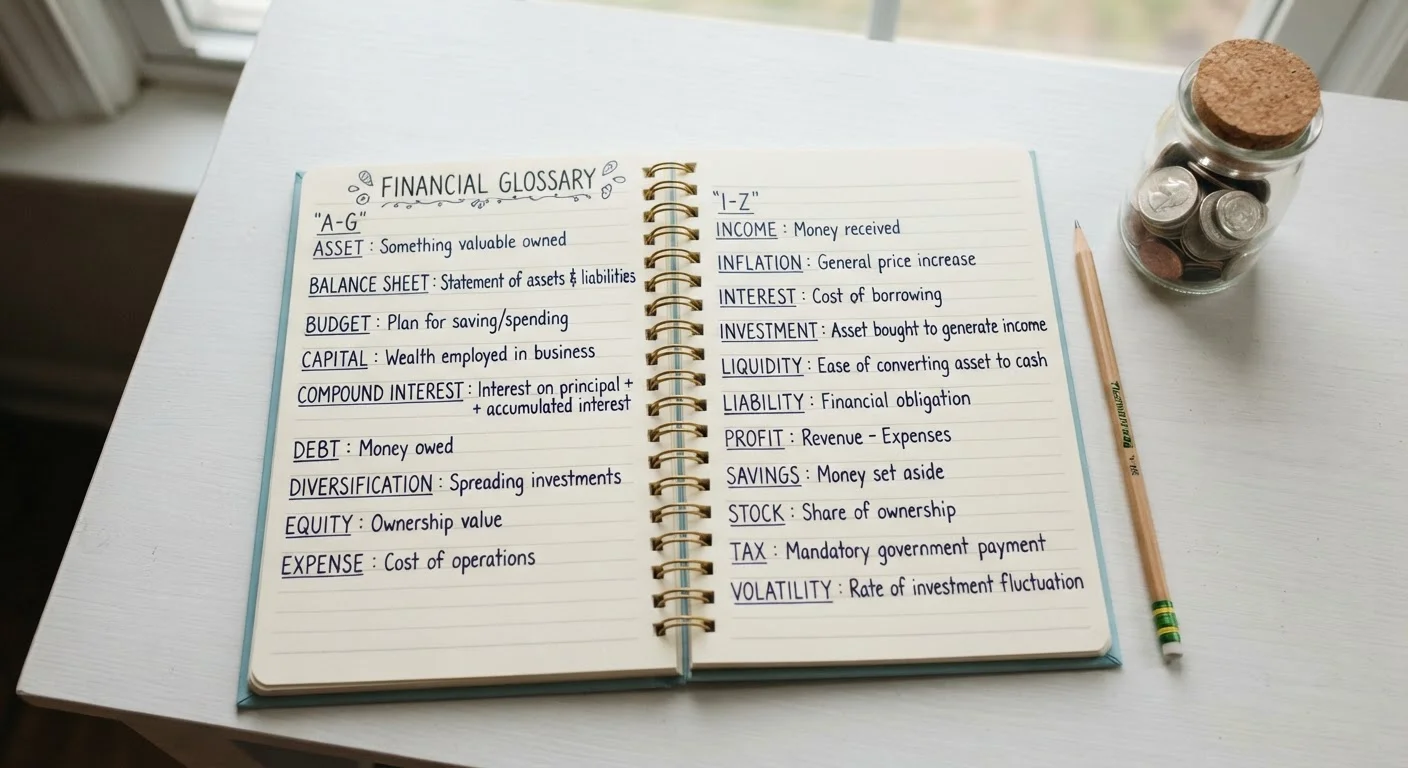
The term isn't regulated or standardized. Any bank can technically call an account 'high-yield.' What matters is whether the APY is actually higher than what comparable accounts are offering. That's why comparing APY across institutions is the most reliable move, not just responding to a label. Our guide to key savings terms breaks down APY and other vocabulary you'll encounter in plain language.
The Term 'High-Yield' Isn't Regulated
No official body defines how high a rate must be before an account earns the 'high-yield' label. This means the term is a marketing description, not a certification. Always compare the actual APY against the current national average to judge whether an account genuinely qualifies as high-yield at that moment.
Why Online Banks Tend to Offer These Accounts
You'll notice that most high-yield savings accounts come from online-only banks rather than brick-and-mortar institutions. The reason is straightforward: running physical branches is expensive. Staff, real estate, ATM networks - all of that costs money. Online banks avoid most of those overhead costs, and they share some of that savings with depositors through higher interest rates.
That structural difference is why online banks can offer meaningfully higher APYs without it being a temporary promotion. It's simply how their cost model works. This doesn't make one type of bank better than another overall - it just explains where the rate difference tends to come from.
~0.45%
Average traditional savings account APY (national average)
The FDIC publishes national deposit rate averages regularly; traditional savings accounts have historically trailed high-yield alternatives by a wide margin.
$250,000
FDIC deposit insurance limit per depositor
The Federal Deposit Insurance Corporation insures deposits at member banks up to this amount per depositor, per institution, per ownership category.
1-3 days
Typical transfer time to external checking account
Most online high-yield savings accounts process transfers to linked external accounts within one to three business days, which is worth factoring into emergency fund planning.
How the Interest Actually Grows
Interest in a high-yield savings account is usually compounded - meaning you earn interest on your interest, not just your original deposit. Over time, this compounding effect adds up even without you doing anything extra. The more frequently interest compounds (daily vs. monthly, for example), the faster your balance grows, though the practical difference on smaller balances is modest.
To see why starting early with even a small balance matters, our article on how compound interest works explains the concept in everyday terms.
Use APY, Not Just the Interest Rate
When comparing accounts, always look at the APY rather than the stated interest rate. APY accounts for how often interest compounds, making it a more accurate picture of what you'll actually earn over a year. Two accounts with the same nominal rate can have different APYs depending on their compounding frequency.
What to Look at When Comparing Accounts
Beyond the APY, a few other factors are worth checking before you open an account:
- Minimum balance requirements: Some accounts require a minimum to earn the advertised rate or to avoid fees. Others have no minimum at all.
- FDIC insurance: Confirm the institution is FDIC-insured. This protects your deposit up to $250,000 per depositor, per bank, in the event the institution fails.
- Rate variability: The APY on these accounts is variable - it can go up or down as the Federal Reserve adjusts interest rates. The rate you open with isn't locked in.
- Transfer times and access: Most high-yield savings accounts let you move money to an external checking account, but transfers may take one to three business days. This is worth knowing if you're building an emergency fund.
If you're working on building up savings from a tight budget, see our article on saving money on a low income for grounded, realistic strategies. And once you're consistently setting money aside, saving a portion of every paycheck explores the habits that make it stick.
This article is for general informational purposes only and does not constitute financial advice. Consider speaking with a qualified financial professional about decisions specific to your own situation.