
Why Your Emergency Fund Belongs in Your Budget From Day One
Most people think of an emergency fund as something they'll start once they're more financially stable. The problem with that thinking: financial stability rarely arrives on its own. It's built - and the foundation is having money set aside before life throws you a curveball.
An emergency fund is a dedicated pool of savings meant to cover unexpected costs: a car repair, a medical bill, a sudden job loss. Without one, a single setback can force you into credit card debt or borrowing - which makes recovery harder and slower. For a deeper look at getting your budget off the ground, see Your First Budget: A Practical Starting Point for Complete Beginners.
The key shift is treating your emergency fund contribution not as optional savings but as a fixed monthly expense - as essential as your rent payment. When it's built into your budget from the start, it gets funded consistently, even in months when money is tight.
This Is Education, Not Personal Financial Advice
The guidance in this article is general financial information intended to help you understand budgeting concepts. It is not personalized financial advice. Your situation is unique - if you're managing significant debt, irregular income, or other complex circumstances, consider speaking with a licensed financial professional before making major money decisions.
What You'll Need Before You Start
What you will need
Recent pay stubs or bank statements
Used to calculate your accurate monthly take-home income.
List of monthly essential expenses
Helps determine how much you need to cover basics like rent, utilities, and groceries.
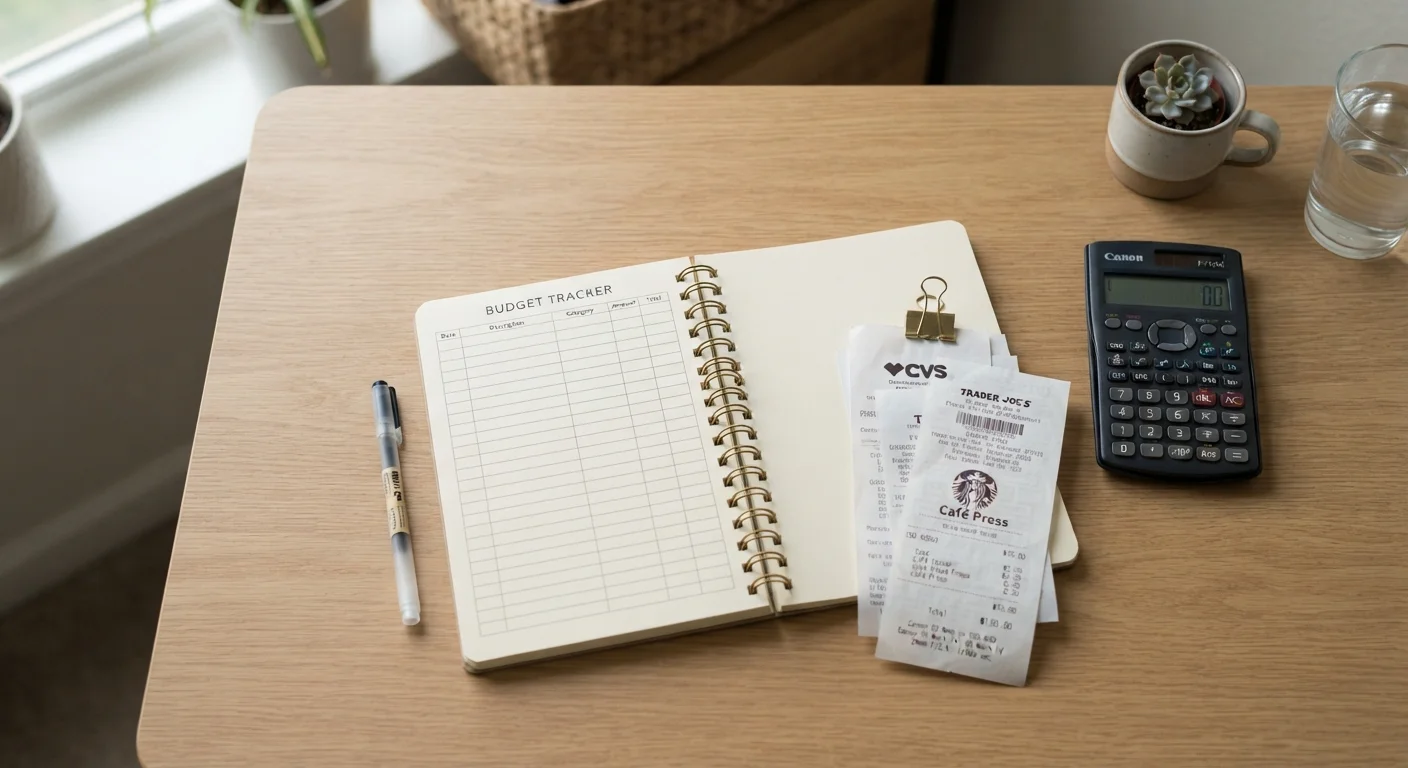
Spreadsheet or budgeting notebook
Used to lay out income, expenses, and your savings target in one place.
Separate savings account
Keeps your emergency fund physically separate from everyday spending money.
Automatic transfer feature (via your bank)
Automates your monthly contribution so you don't have to remember to transfer manually.
How to Build Your Budget Around an Emergency Fund
Follow these steps in order. If you've never budgeted before, Building a Budget From Zero is a helpful companion read before you begin.
Calculate your monthly take-home income
Write down every source of income you receive each month - your paycheck after taxes, any side work, or other reliable income. If your income varies month to month, use the lowest amount you've earned over the past three months as your baseline. This conservative approach keeps your budget from falling short.
List your essential monthly expenses
Write down everything you must pay each month: rent or mortgage, utilities, groceries, transportation, insurance, and minimum debt payments. These are your non-negotiables - the expenses that keep your life running. Don't include subscriptions, dining out, or entertainment here; those come later.
Set your emergency fund target
A common guideline is to save enough to cover three to six months of your essential expenses - the list you made in Step 2. Multiply your monthly essentials total by three for a starter target. For example, if your essentials total $1,800 a month, your initial goal would be $5,400. You don't need to hit this overnight - you just need a number to work toward.
Add your emergency fund contribution as a budget line
Treat your monthly savings contribution exactly like a bill. After listing your essential expenses in your budget, add a line labeled Emergency Fund with a specific dollar amount. Even $25 or $50 a month counts. The point is that it's planned and protected - not whatever happens to be left over at the end of the month.
Allocate your remaining income to other spending
Subtract your essentials and your emergency fund contribution from your take-home income. What's left is your flexible spending - money for groceries beyond basics, entertainment, clothing, and other wants. If there's very little left, look for small areas to reduce spending temporarily. Every dollar shifted to savings has a compounding effect over time.
Open a dedicated savings account and automate your transfer
Keep your emergency fund in a separate account from your everyday checking. This separation makes it harder to accidentally spend the money and easier to track your progress. Set up an automatic transfer to move your emergency fund contribution on payday - before you have a chance to spend it elsewhere.
Review and adjust your budget monthly
At the end of each month, compare what you planned to spend with what you actually spent. Did you meet your emergency fund contribution? Did any expense categories run over? Use what you learn to adjust next month's budget. As your income grows or expenses change, increase your emergency fund contribution accordingly.
Automate to Make It Effortless
Set up an automatic transfer from your checking account to a separate savings account on the same day your paycheck arrives. When the money moves before you see it, you're far less likely to spend it. Even a small recurring transfer builds a real habit quickly.
Keeping the Momentum Going
Once your emergency fund is funded and your budget is running, you can start thinking about other savings goals. A strategy called sinking funds - where you set aside money each month for planned future expenses like car maintenance or holiday gifts - pairs naturally with an emergency fund. Learn more in Sinking Funds: The Saving Strategy That Stops Surprise Expenses.
Don't Skip Essentials to Save Faster
It can be tempting to cut rent, utilities, or groceries to build your fund more quickly. Resist that urge. An emergency fund protects your essentials - it shouldn't come at the cost of them. Prioritize housing, food, and utilities first, and save what's genuinely left over.
Building an emergency fund on any income takes patience. The goal isn't to save a large lump sum immediately - it's to create a reliable habit that grows over time. For more practical saving strategies, explore the Saving Money hub for guidance that fits where you are right now.
This article is for general informational and educational purposes only and does not constitute personalized financial advice. Consult a qualified financial professional for guidance tailored to your circumstances.