Why Size Is Only Part of the Story
When people picture a high-energy dog, they typically imagine a large, muscular breed bounding across a field. And when they picture a low-maintenance dog, they often think small. Both assumptions regularly turn out to be wrong.
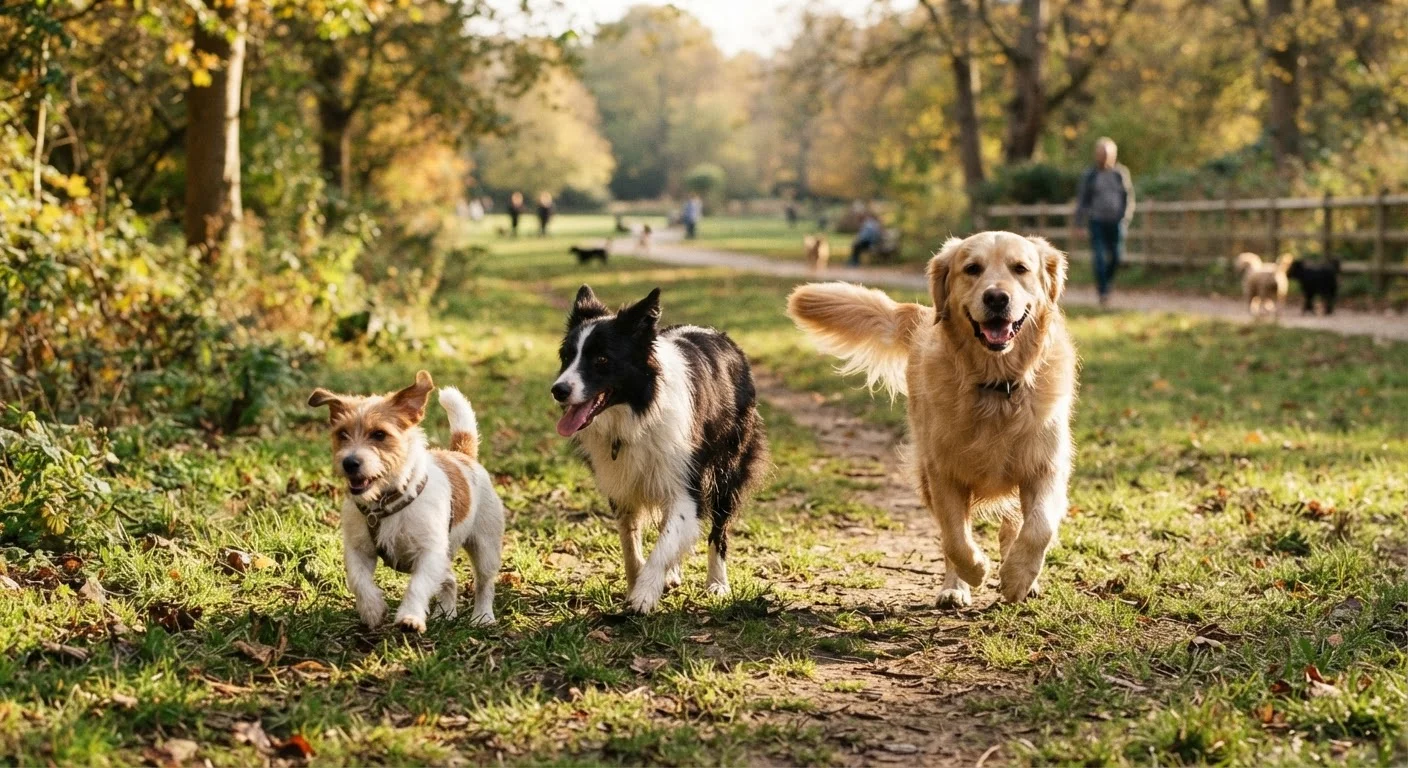
A dog's breed group - the category it was originally developed for - is the more reliable predictor of exercise needs. Herding breeds like Border Collies and Australian Shepherds were bred to work all day and cover many miles. Terriers were developed to hunt independently and tenaciously. These instincts don't disappear in a domestic setting; they show up as restlessness, problem behaviors, or compulsive habits when the dog isn't adequately stimulated.
Conversely, some large breeds were specifically developed as calm companion dogs or to perform short bursts of activity rather than endurance work. A Basset Hound, Bulldog, or Great Dane can thrive with moderate, steady exercise - far less than many dogs half their size.
If you're exploring dog ownership for the first time, understanding the full scope of what dog ownership involves - including the time commitment of exercise - is an essential first step.
~56%
US dogs estimated to be overweight or obese
According to the Association for Pet Obesity Prevention, over half of American dogs are classified as overweight or obese, often linked to insufficient exercise and overfeeding.
2+ hours
Daily exercise needed by high-drive herding breeds
Veterinary and canine behavior organizations consistently note that working breeds such as Border Collies can require two or more hours of vigorous activity each day to remain behaviorally stable.
5 min/month
Guideline for puppy structured exercise
A widely cited veterinary rule of thumb suggests 5 minutes of structured exercise per month of the puppy's age, twice daily, to protect developing joints.
Breed Groups and What They Actually Need
Breaking exercise requirements down by broad breed category makes it easier to set realistic expectations:
- Herding breeds (Border Collie, Australian Shepherd, Heeler): 1.5-2+ hours of vigorous activity daily, plus mental enrichment such as agility or obedience training.
- Sporting breeds (Labrador Retriever, Golden Retriever, Springer Spaniel): 1-2 hours of active play, swimming, or fetch-based activity daily.
- Terriers (Jack Russell, Airedale, Rat Terrier): High drive in a compact frame. Many need 60-90 minutes of purposeful activity to avoid destructive behavior indoors.
- Hound breeds: Variable. Greyhounds are sprinters and are surprisingly content with moderate daily walks. Beagles and Bloodhounds, bred for scent tracking, do better with longer roaming walks or scent games.
- Working breeds (Siberian Husky, Bernese Mountain Dog, Rottweiler): Generally need 60-90 minutes daily, though individual variation is significant.
- Toy and companion breeds (Cavalier King Charles Spaniel, Bichon Frise, Shih Tzu): 20-40 minutes daily is often sufficient, though they should still be walked regularly.
Keep in mind that these are general guidelines, not medical prescriptions. Your individual dog's health, age, and temperament always factor in.
Match the Breed Before You Commit
Before choosing a dog, research its breed group's historical purpose rather than its size alone. A quick conversation with a veterinarian or breed-specific rescue can give you a realistic picture of daily time and activity commitments. Mismatched energy levels are one of the leading reasons dogs are rehomed.
Mental Stimulation Counts Too
Physical movement is only one dimension of exercise. For working and herding breeds especially, a walk around the block doesn't come close to meeting their needs - they were bred to think and problem-solve, not just move.
Activities that double as mental exercise include:
- Scent work and nose games: Hiding treats or toys for your dog to find engages deep instincts and can genuinely tire a dog out faster than a long walk.
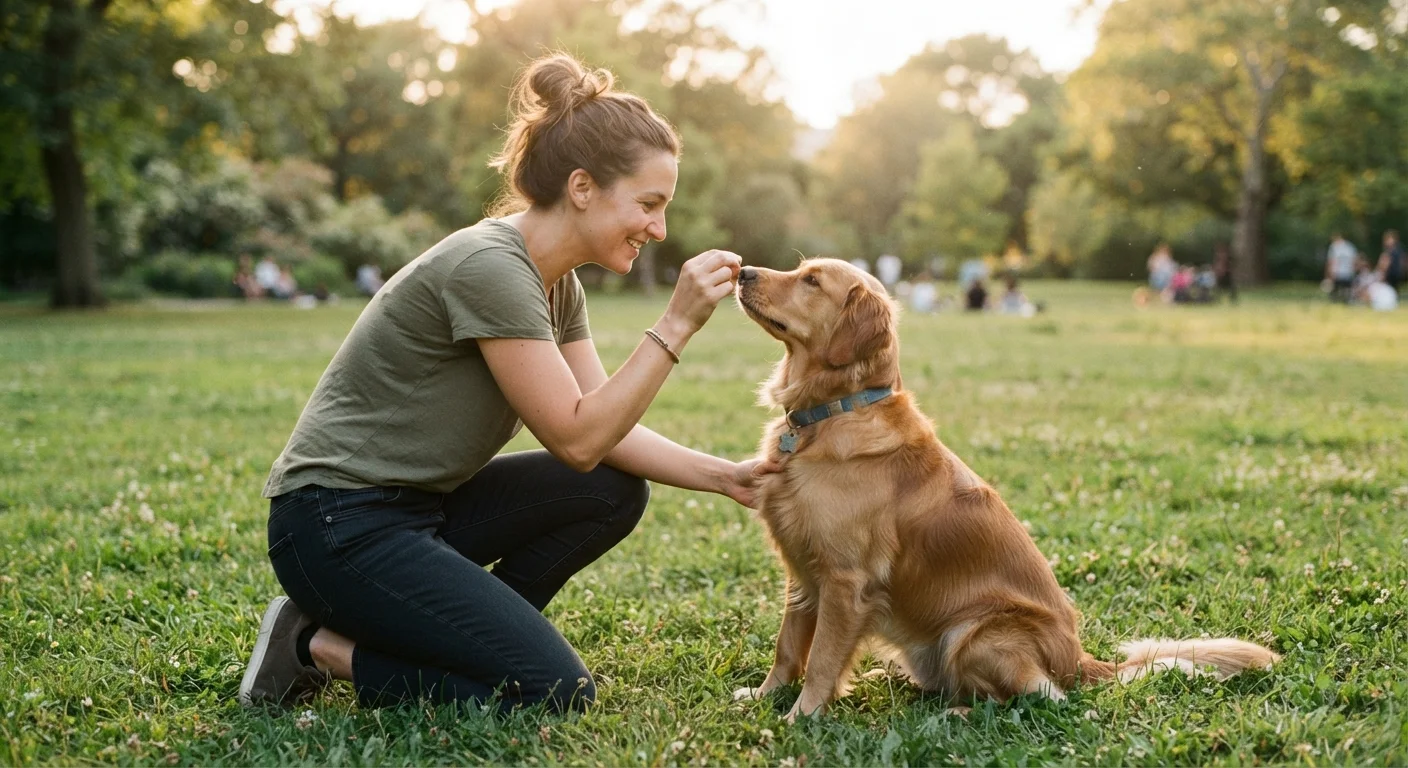
- Training sessions: Even 10-15 minutes of focused obedience or trick training provides cognitive challenge. Consistent training habits also build a calmer, more responsive dog over time.
- Puzzle feeders and food toys: These slow eating, add stimulation, and replace boredom with a satisfying task.
- Agility and structured play: Courses and games that require the dog to respond to cues combine physical and mental work effectively.
For a broader look at how to structure a dog's week including exercise, grooming, and health checks, see The Weekly Routine That Keeps a Dog Healthy.
Special Considerations: Puppies, Seniors, and Flat-Faced Breeds
Not all exercise guidance applies equally across a dog's lifespan or physical structure.
Puppies have developing joints and growth plates that can be damaged by repetitive high-impact activity. A commonly used guideline is about 5 minutes of structured exercise per month of age, up to twice daily - so a 4-month-old puppy might get two 20-minute sessions. Free play in a safe space is generally lower risk than forced running or jumping.
Senior dogs often need gentler, shorter walks rather than none at all. Movement supports joint health, muscle tone, and mental engagement into old age. Watch for signs of fatigue or stiffness and adjust accordingly.
Brachycephalic breeds - dogs with flat faces like Bulldogs, Pugs, and French Bulldogs - are structurally limited in how much aerobic activity they can safely perform. Their shortened airways make overheating and breathing distress a real risk, particularly in warm weather. Exercise for these dogs should be low-intensity and done in cooler parts of the day.
Nutrition also plays a direct role in energy levels and physical condition. Understanding what dogs need to eat at each life stage supports healthier exercise outcomes across all ages.
This article provides general information for educational purposes and does not replace personalized advice from a licensed veterinarian. Always consult your vet before starting or significantly changing your dog's exercise routine, especially for puppies, seniors, or dogs with health conditions.