Why the First Few Weeks Shape Everything
When you bring a puppy home, you are working with a brain that is extraordinarily open to new information - but that window does not stay open for long. Between roughly 3 and 14 weeks of age, a puppy's brain is in a heightened state of receptivity. Positive experiences during this period build lasting confidence; frightening or absent experiences can leave lasting gaps.
This is not a metaphor. Research in veterinary behavioural science consistently links poor early socialisation to fear-based behaviour problems in adult dogs, including reactivity, separation anxiety, and aggression. Understanding this helps explain why the work you do in the first few months pays dividends for the dog's entire life.
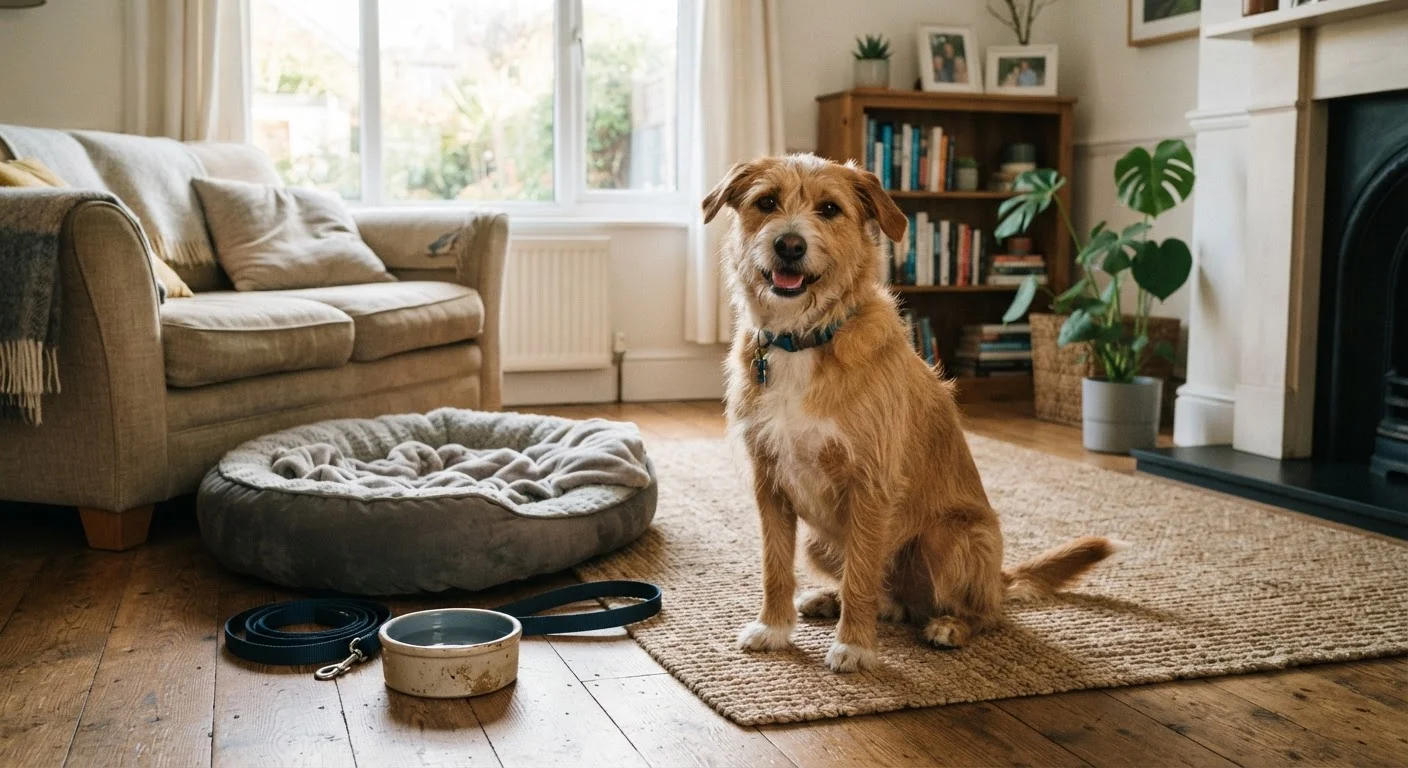
If you are preparing your home and routine ahead of your puppy's arrival, our guide to bringing a dog home for the first time covers the foundational steps that set up a smooth transition.
Socialisation Is Not the Same as Training
Many new owners confuse socialisation with obedience training. Socialisation is specifically about building positive associations with the world - people, places, sounds, and other animals. Training teaches behaviours and responses to cues. Both are essential, but they serve different purposes and happen on different timelines. Formal obedience work can begin alongside socialisation, but the socialisation window is far more time-sensitive.
What to Expose Your Puppy To - and How
Good socialisation is not about quantity - it is about quality of association. Each new experience should feel manageable and, where possible, rewarding. A loose framework covers four broad categories:
- People: Adults of different ages, appearances, and clothing styles (hats, glasses, uniforms); children; people using mobility aids or carrying bags.
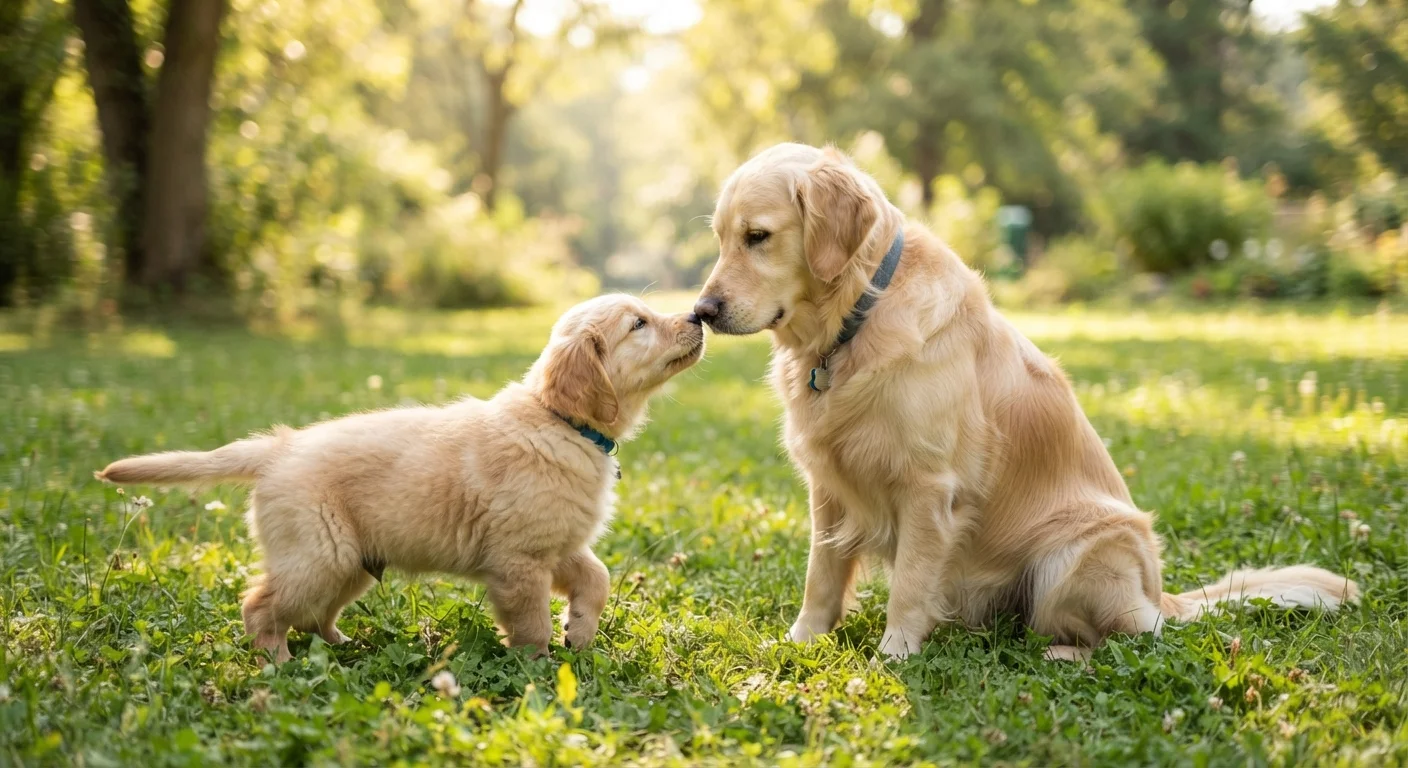
- Animals: Calm, vaccinated adult dogs; cats and other household pets introduced carefully and under supervision.
- Environments and surfaces: Grass, gravel, tile floors, stairs, car rides, veterinary clinics, busy streets, quiet parks.
- Sounds: Traffic, thunder sounds (using recordings at low volume), household appliances, children playing, crowds.
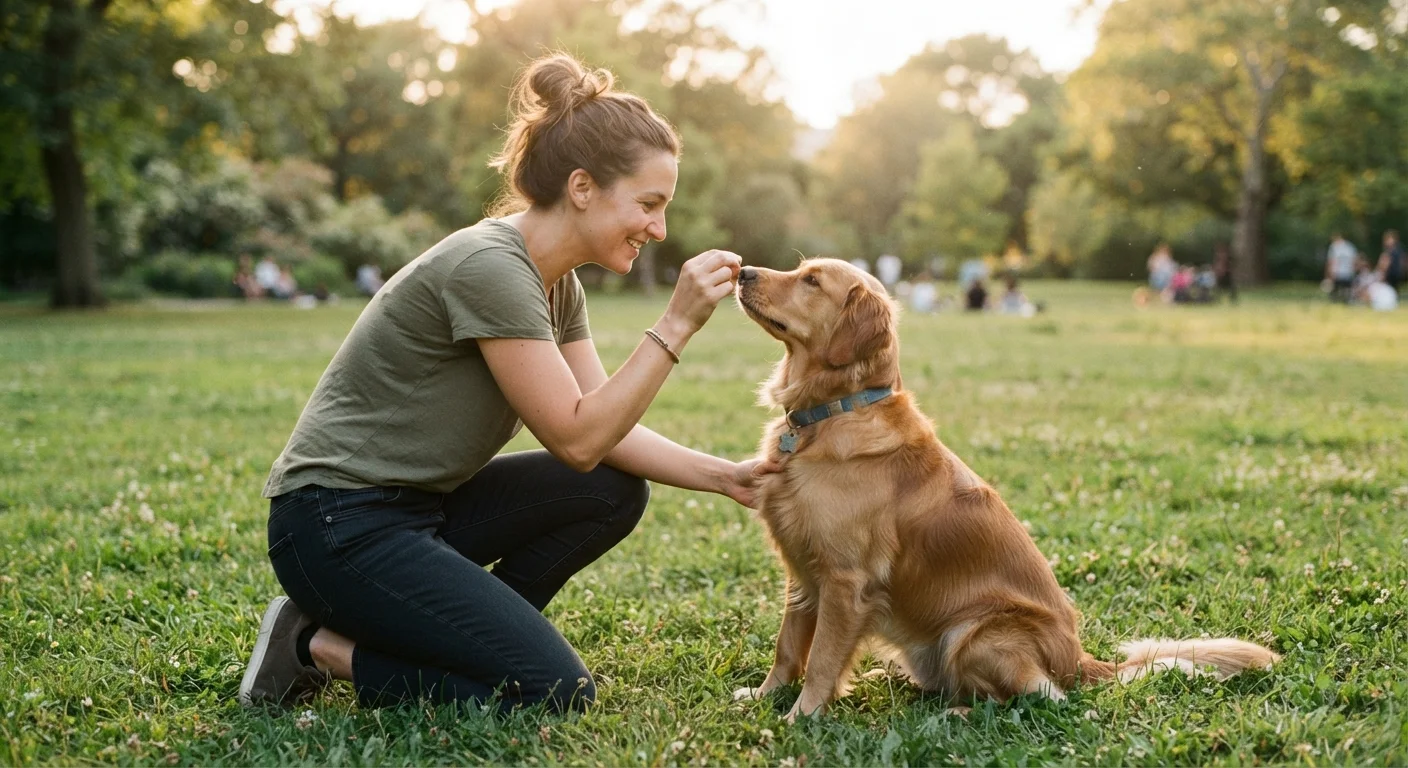
The method matters as much as the checklist. Let the puppy approach rather than forcing contact. Pair new experiences with calm praise or a small food reward. Keep early sessions short - a few minutes of positive exposure is far more effective than a long session that tires or overwhelms.
Watch Your Puppy's Body Language
Your puppy will tell you when an experience is too much. A relaxed, curious puppy with a loose body and willing approach is coping well. If you see freezing, tucking the tail, excessive yawning, or attempts to retreat, that is a signal to increase the distance from the stimulus and slow down. Never force a puppy to 'face' something that is clearly frightening - this can intensify fear rather than reduce it.
Navigating Vaccination Timing Safely
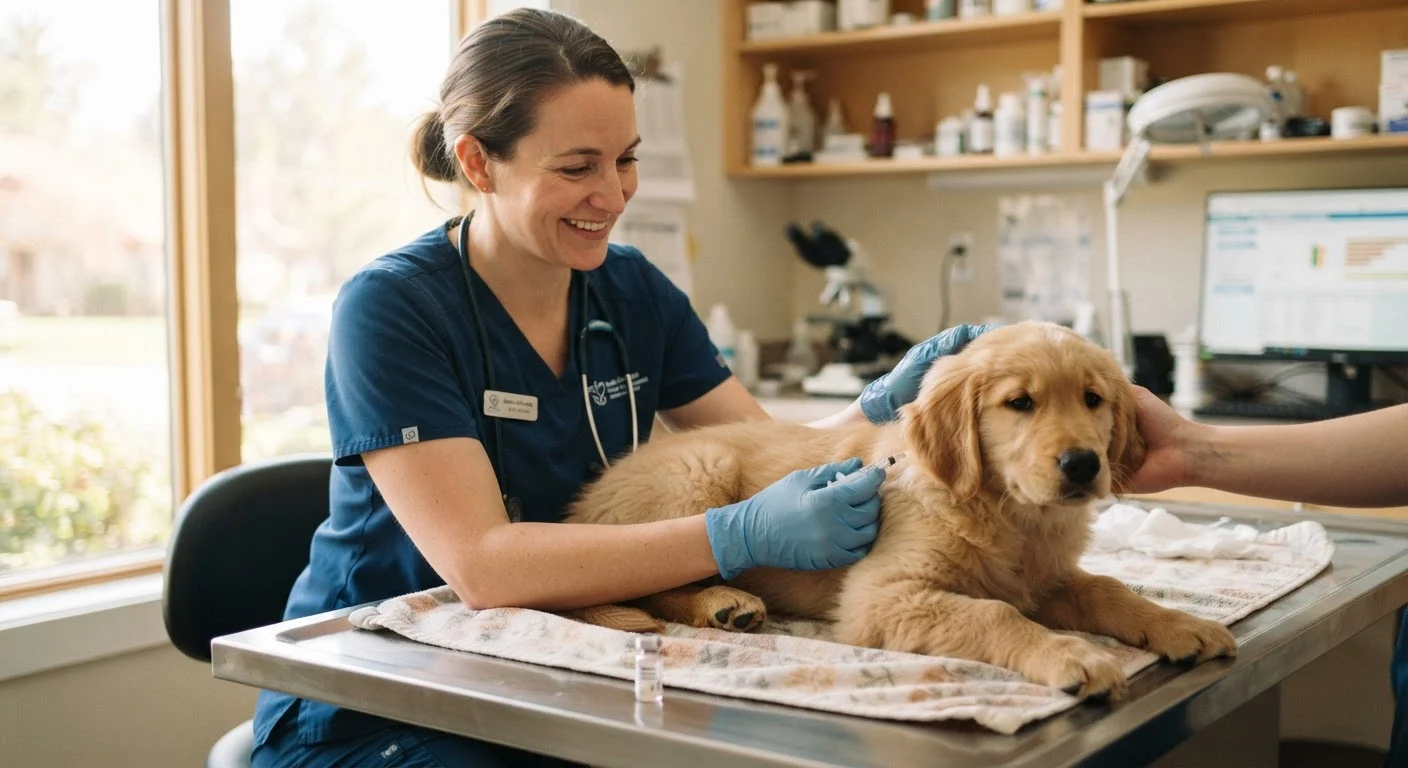
One of the most common concerns new owners have is the overlap between the socialisation window and the vaccination schedule. Puppies typically receive a series of core vaccines in their first months of life, and full protection is not complete until after the final booster. This creates a genuine tension: the most important social learning happens precisely when disease risk is still present.
The American Veterinary Society of Animal Behavior has published guidance stating that the risks of under-socialisation are significant enough that puppies should begin socialisation before the vaccine series is complete - provided exposures are managed carefully. Practical steps include:
- Attending puppy classes in clean, indoor environments where all dogs are required to be vaccinated.
- Visiting the homes of friends with healthy, vaccinated dogs rather than public dog areas.
- Carrying your puppy in high-traffic public areas so they experience sounds and sights without direct ground contact.
Always discuss a specific socialisation plan with your veterinarian, especially if your puppy has any health concerns. You can learn more about the vaccine schedule and what each jab covers in our overview of dog vaccination.
After the Window Closes: Socialisation Doesn't Stop
Once the primary sensitive period ends, socialisation does not stop - it evolves. Adolescent and adult dogs still benefit enormously from ongoing positive social experiences, structured training, and exposure to varied environments. What changes is that forming new comfortable associations typically takes more time and repetition than it did during the puppy window.
If you notice fearful or reactive behaviour in an older puppy or adult dog, that does not mean it is too late to help. A professional trainer or certified veterinary behaviourist can assess the dog and build a structured desensitisation plan. Training habits that support long-term good behaviour are relevant at every stage of a dog's life, and early socialisation creates the foundation those habits are built on.
3-14 weeks
Primary sensitive socialisation window in puppies
Widely cited in veterinary behavioural literature as the period of peak neurological receptivity to new experiences.
~14 weeks
Age at which the sensitive period is generally considered to close
After this point, forming comfortable associations with novel stimuli requires significantly more repetition and patience.