Why Preparation Matters More Than You Might Think
Small pets - rabbits, guinea pigs, hamsters, gerbils, rats, chinchillas, reptiles, and birds - are often assumed to be low-maintenance. In reality, many have highly specific environmental, dietary, and social needs that can be easy to overlook if you haven't done the groundwork first.
Unlike dogs and cats, small pets are frequently prey animals. Stress from an unprepared environment can suppress their immune systems and cause serious health problems within days of arriving home. Getting things right before they arrive is far easier than troubleshooting after the fact.
If you're still weighing whether a small pet is right for your household, our article on the honest advantages and real drawbacks of small pet ownership covers what ownership actually involves. Once you're ready to move forward, use the checklist below to make sure nothing falls through the cracks.
Habitat & Environment
Diet & Feeding
Veterinary Access
Safety & Pet-Proofing
Tools and Resources to Have Ready
Before working through the checklist, gather the resources and materials you'll need. Having these in place ahead of your pet's arrival day saves last-minute trips and prevents improvised shortcuts.
Species care guide (book or reputable online resource)
Provides detailed, species-specific information on housing, diet, behavior, and health needs.
Appropriately sized enclosure and accessories
The primary habitat - must be assembled and stabilized before your pet comes home.
Food, bedding, and water supply (starter quantity)
Ensures your pet's immediate needs are met without a day-one supply run.
Thermometer and hygrometer (humidity gauge)
Monitors temperature and humidity levels inside the enclosure, critical for reptiles and some small mammals.
Carrier or transport container
Needed to bring your pet home safely and for future vet visits.
First-aid reference guide for your species
Helps you recognize early signs of illness and know when to contact a vet.
Avoid Cedar and Pine Bedding
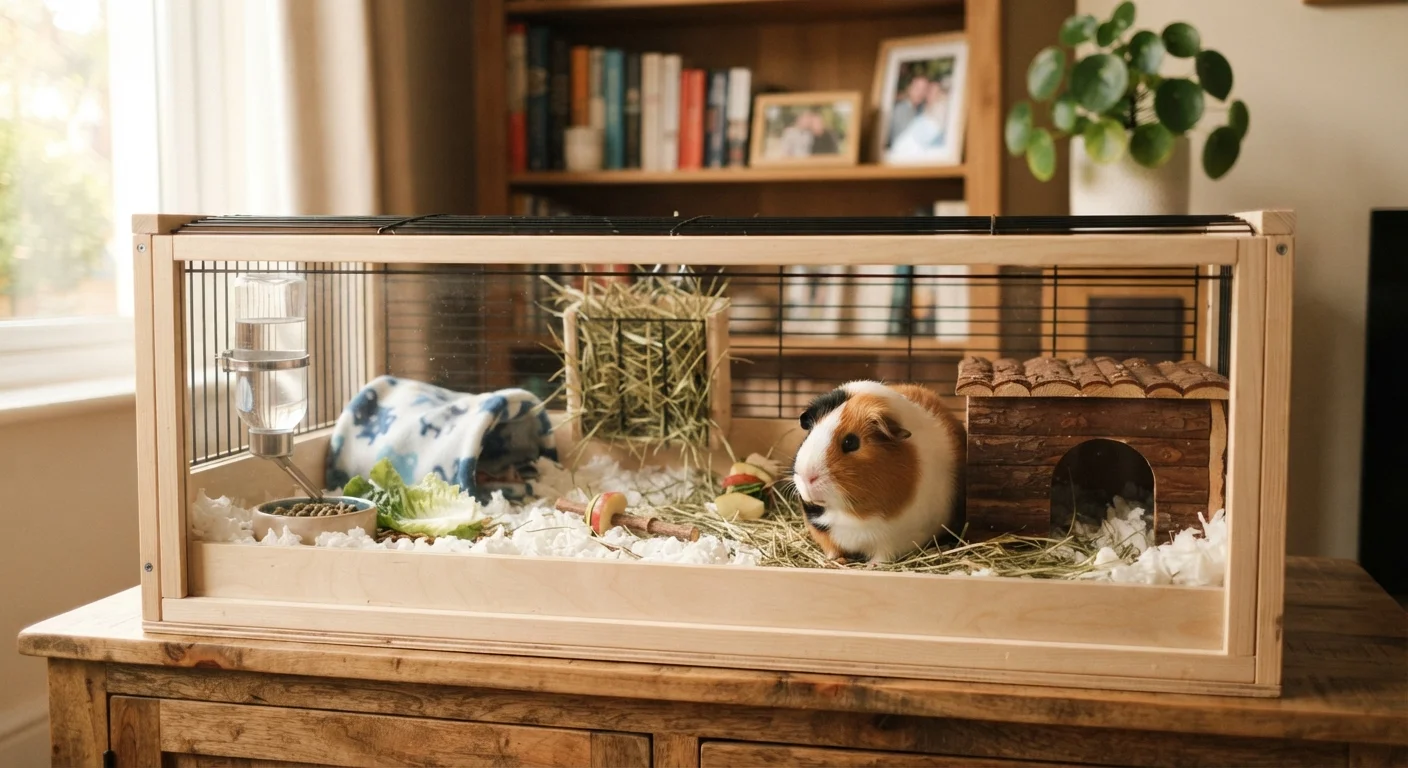
Cedar and pine wood shavings release aromatic oils that are harmful to the respiratory systems of many small mammals, including hamsters, rabbits, and guinea pigs. Always confirm that your chosen bedding is appropriate for your specific species before use. When in doubt, paper-based bedding is generally considered a safer option for most small mammals, but verify with your vet.
Budgeting and Long-Term Planning
The upfront cost of a small pet is often modest, but ongoing expenses - food, bedding, veterinary care, enrichment - add up quickly. Build a monthly estimate before you commit. Our saving money hub can help you think through how to budget for regular pet care costs alongside other household expenses.
Also plan now for travel. Small pets can't simply be left alone for a weekend. Arrange a trusted pet sitter or a boarding option that accepts your species before you need it - not the night before a trip. For guidance on what to sort out ahead of any time away, see our pre-trip planning checklist.
Find a Vet Before Day One
Not all veterinary practices treat small or exotic animals. Rabbits, reptiles, birds, and rodents require practitioners with relevant experience - and availability can be limited. Calling ahead to confirm that a vet can see your species is one of the most important steps in this checklist. Waiting until your pet is unwell to search for care is a preventable and potentially dangerous delay.
This article is for general informational purposes only. For species-specific health concerns or if your pet shows signs of illness, consult a licensed veterinarian.