Why People Choose Small Pets - and What They're Actually Signing Up For
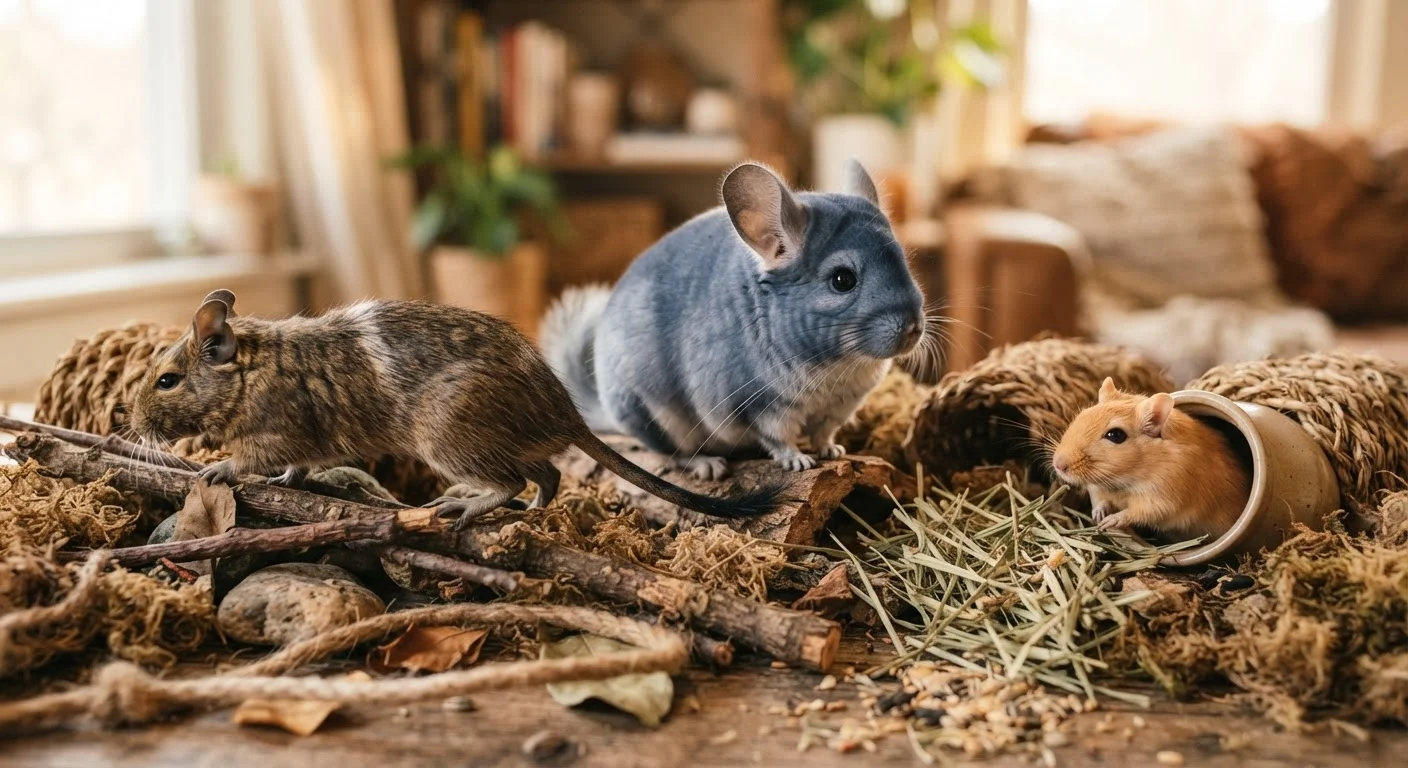
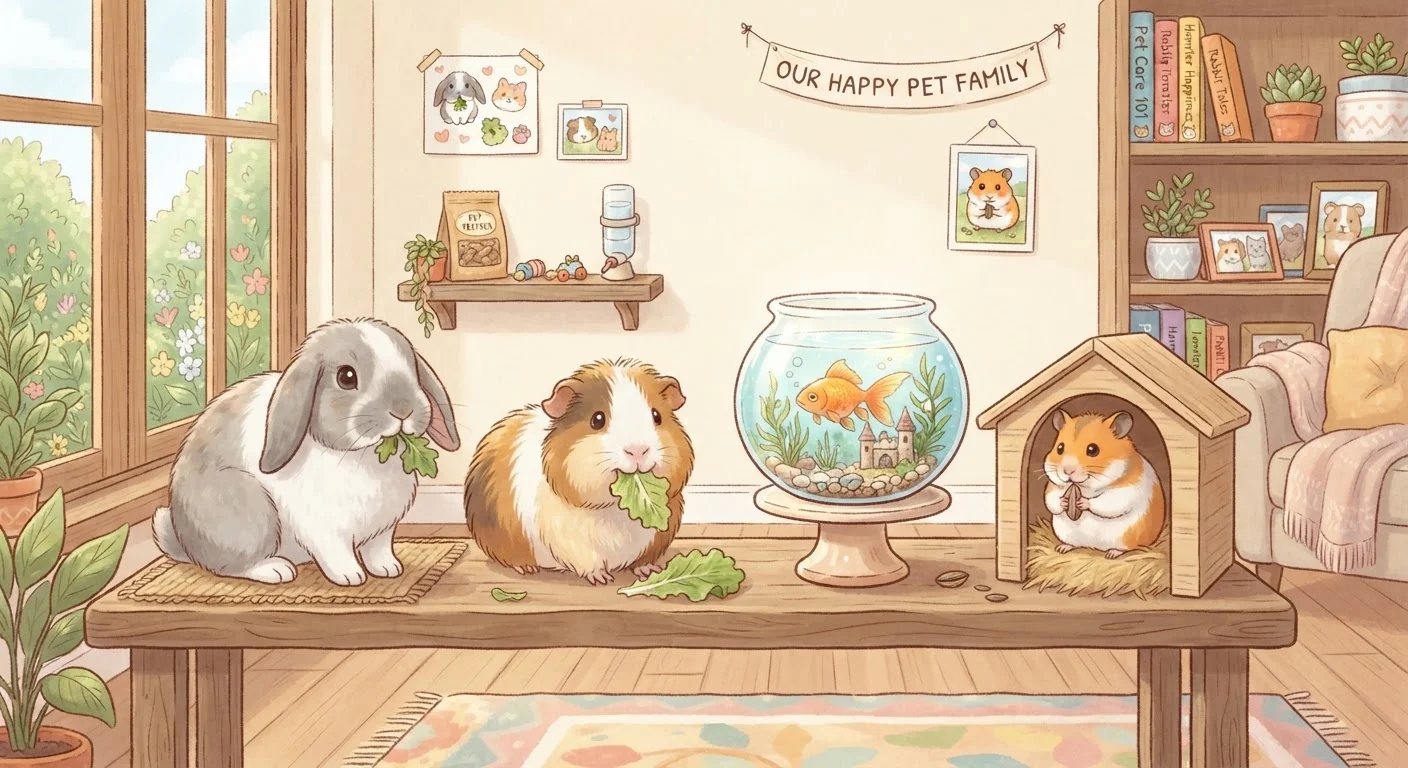
Guinea pigs, rabbits, hamsters, gerbils, rats, chinchillas - the category we call 'small pets' covers a wide range of species with very different needs. What they share is a reputation for being manageable, affordable, and suitable for people who can't commit to a dog or cat.
That reputation is partially deserved. But many first-time small pet owners are genuinely surprised by how much consistent effort proper care requires. Before you decide, it's worth looking at both sides honestly. If you're still exploring which type of small animal might suit you, our guide to less common small pet options covers several species worth knowing about.
Suitable for smaller living spaces
Small pets generally thrive in apartments or homes without yards, as long as their enclosure is properly sized. This makes them accessible to renters and urban households that might not be permitted to keep dogs.
Lower time commitment than dogs
Small pets don't require daily walks or extensive outdoor exercise in the way dogs do. Daily feeding, spot-cleaning, and interaction can often fit into a busy schedule.
Opportunity to teach responsibility
For families with children, small pets can offer a manageable introduction to animal care - though adult supervision and primary responsibility for welfare should remain with a grown-up.
Quieter than most cats or dogs
Most small pets make little noise, which is a practical advantage in shared housing or noise-sensitive environments. Guinea pigs do vocalize, but rarely at disruptive levels.
Rewarding social bonds are possible
Rats in particular are known for their intelligence and capacity for bonding with owners. Guinea pigs respond to familiar voices and gentle handling. Many small animals become genuinely interactive companions.
The Real Drawbacks You Should Know About
Small doesn't mean simple. Several challenges catch new owners off guard - not because they're hidden, but because the 'easy pet' narrative rarely addresses them.
Short lifespans can cause early grief
Hamsters typically live one to three years; guinea pigs three to seven. For children especially, losing a pet this soon can be emotionally difficult and is something families should discuss before acquiring one.
Veterinary care is specialized and costly
Not all vets treat small animals - you'll need to locate an exotic or small animal specialist. Consultations and procedures can be expensive relative to the original cost of the animal.
Many species are nocturnal
Hamsters and some other small rodents are most active at night, which limits daytime interaction and can cause sleep disruption if the enclosure is in a bedroom.
Enclosures require frequent, consistent cleaning
Ammonia buildup from waste accumulates quickly in small enclosures. Spot-cleaning daily and full cage cleaning weekly is generally necessary to maintain hygiene and animal health.
Social species need companionship
Guinea pigs, rats, and gerbils suffer without the company of their own species. Keeping a single animal when the species is social is widely considered a welfare concern by animal care organizations.
Travel and care coverage is harder to arrange
Unlike dogs or cats, small pets cannot easily be dropped at a boarding facility. Finding knowledgeable pet-sitters who can care for a chinchilla or rabbit correctly takes advance planning.
Before You Bring a Small Pet Home
There's a practical checklist of things to have in place before your new animal arrives - housing, appropriate diet, a vet who treats small animals, and safety measures for the home environment. Our pre-arrival guide for small pets covers each of these areas step by step.
It's also worth understanding that many widely-repeated assumptions about small pets simply aren't accurate. Our article on common small pet myths examines beliefs that can genuinely put animals at risk if acted on.
Costs: What to Realistically Budget For
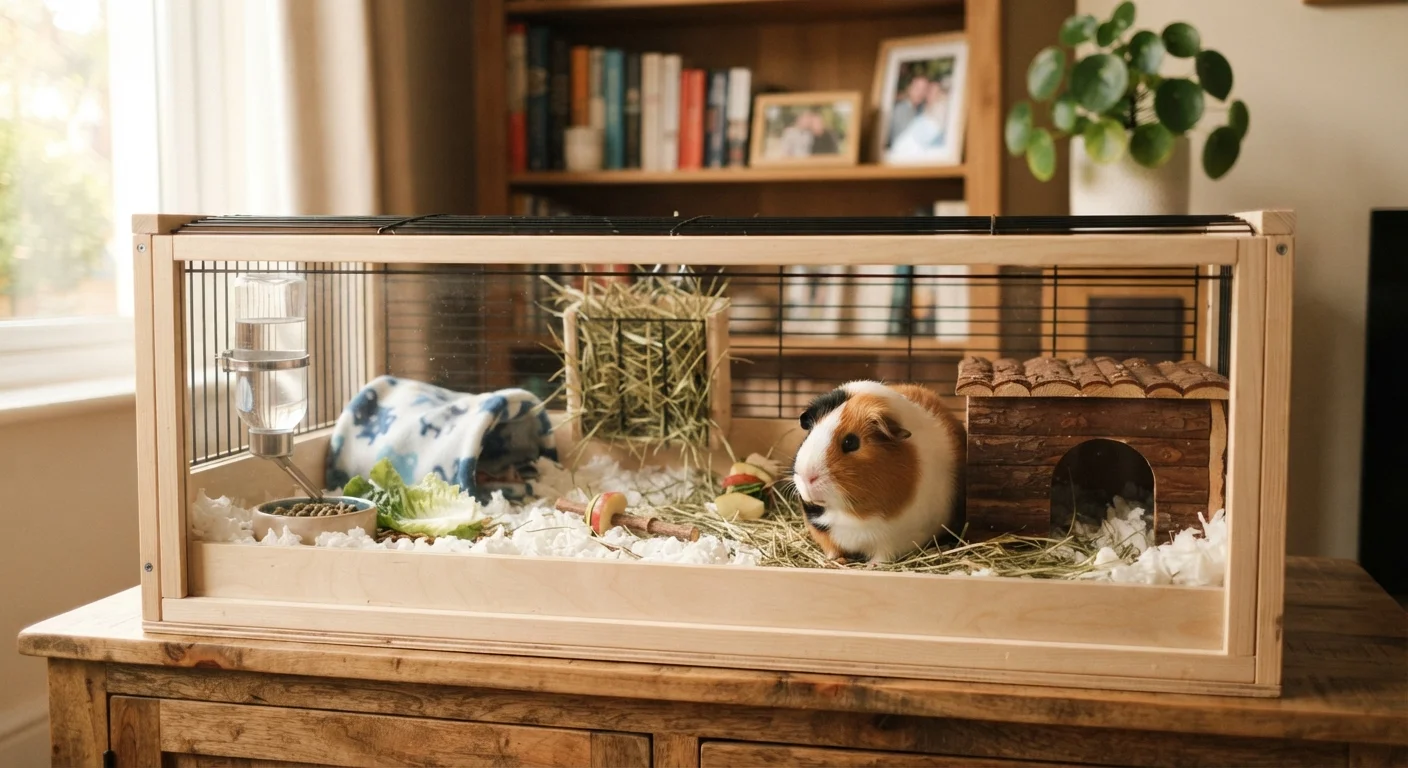
Purchase or adoption price is typically lower for small pets than for dogs or cats, but it's one of the smaller costs you'll face. Setup costs - an adequately sized enclosure, appropriate bedding, hides, enrichment items, and a water source - can run from around $75 to over $300 depending on the species.
$200-$300+
Estimated first-year setup cost for many small pets
Enclosure, initial supplies, and early veterinary checks typically represent the largest upfront investment beyond the animal's purchase or adoption fee.
1-3 years
Average lifespan of a hamster
Hamsters are among the shortest-lived small pets, which is an important factor for families considering them as a first pet for children.
Monthly expenses include fresh food, hay (for guinea pigs and rabbits especially), and bedding replacement. Veterinary care is often the biggest surprise: exotic or small animal vets may charge higher consultation fees than general practice vets, and emergency care can be significant. It helps to treat small pet ownership with the same financial planning you'd apply to any pet. If you're building a household budget, our budgeting basics resource can help you set aside a realistic monthly amount for pet-related expenses.
For comparison, the scale of costs involved in owning a cat or owning a dog can help frame what you're taking on with a smaller animal.
This article is for general informational purposes only. For guidance on your specific pet's health or care needs, consult a qualified exotic animal veterinarian.