
The Paperwork Reality Check
The biggest shock for first-time international travelers usually isn't the jet lag or the language barrier - it's discovering that their documents aren't quite right. Here's what to double-check well before your departure date.
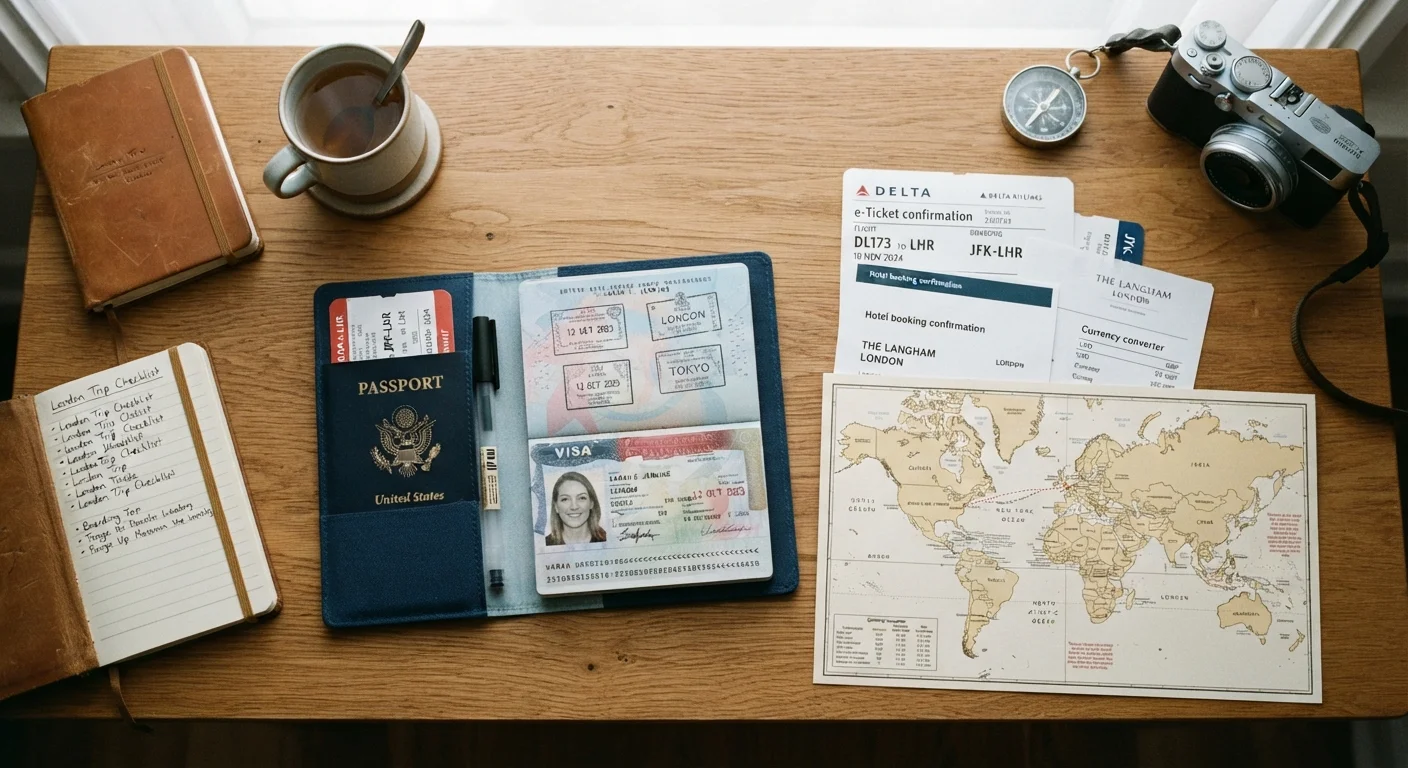
Passport validity: Many countries require your passport to be valid for at least six months beyond your travel dates, not just through them. A passport expiring in three months might get you rejected at the border even if your trip is only ten days long. Check your destination's specific rule.
Visa requirements: US citizens can enter many countries visa-free, but not all. Requirements also change. Use official government sources - not travel blogs - to verify current rules. Our guide on understanding entry requirements walks you through exactly how to read official guidance without the confusion.
Name matching: Your passport name must match your airline ticket exactly. A middle name omission or nickname can cause serious check-in problems. Verify this when booking.
Customs declaration
A form you complete when entering a country listing goods you're bringing in, such as food, plants, or items above a certain value. It's legally required and used by border authorities to regulate what enters the country.
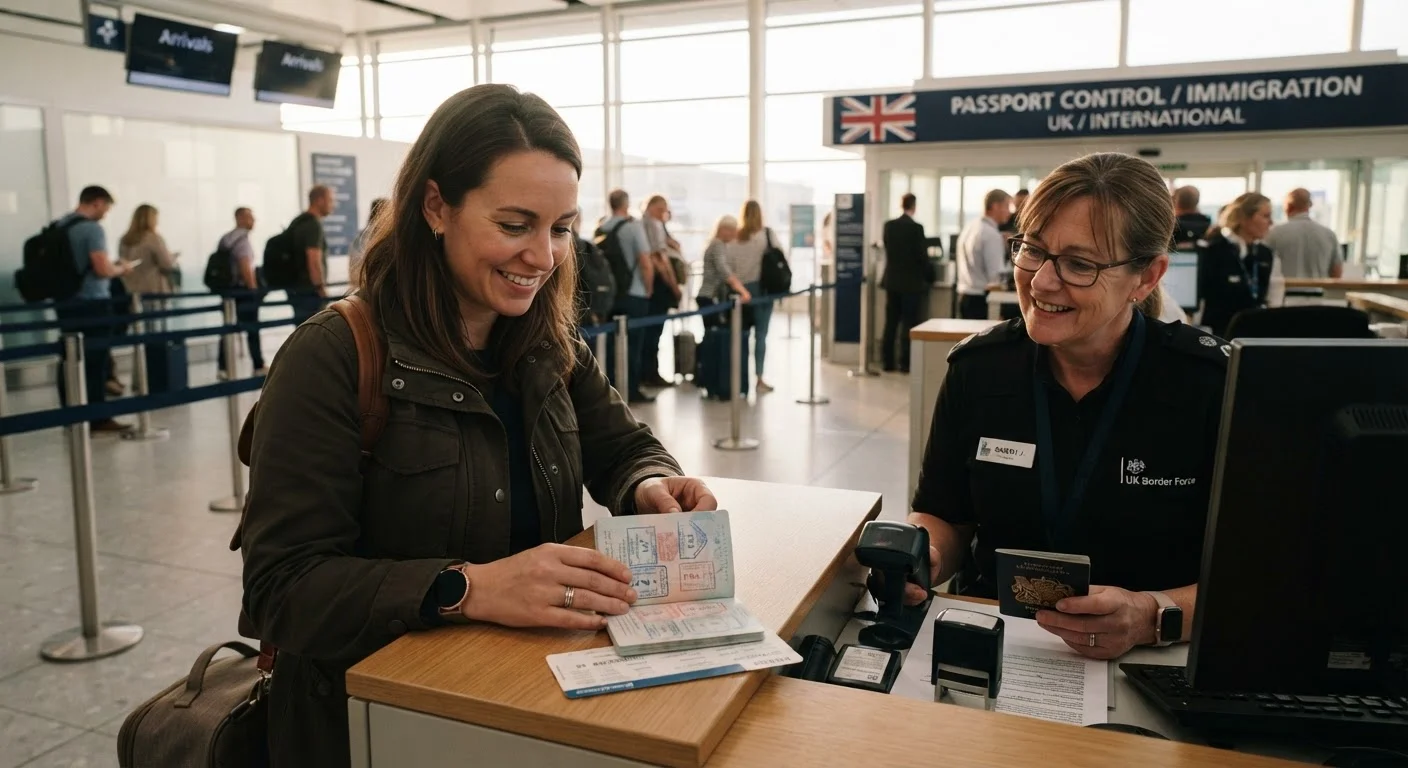
Passport control
The checkpoint at an international border where an officer checks your passport and entry documents. It's separate from customs and typically the first queue you encounter after landing internationally.
Foreign transaction fee
A charge some banks add when you use your card to make purchases in a foreign currency. It's typically a small percentage of each transaction and can add up over a trip.
Dynamic currency conversion
When a foreign merchant offers to charge you in your home currency instead of theirs. This usually results in a worse exchange rate than letting your bank handle the conversion.
Entry requirements
The rules a country sets for who can enter and under what conditions - including passport validity, visa needs, and health documentation. These vary by destination and your nationality.
eSIM
A digital SIM card built into many modern smartphones that lets you activate a local or international phone plan without swapping a physical SIM card. Useful for adding data coverage when traveling abroad.
Money Abroad: What Catches First-Timers Off Guard
Currency and payments abroad trip up even confident travelers. The good news is that with a little prep, it's very manageable.
Tell your bank you're traveling. This is step one. Banks flag unfamiliar foreign transactions as potential fraud and block your card - sometimes immediately after your first international purchase. A quick call or app notification before you leave prevents this.
Understand the fee landscape. Airport currency exchange kiosks typically offer poor rates. ATMs abroad are generally more favorable, but your home bank may charge international withdrawal fees and your destination bank may add its own. Dynamic currency conversion - where a foreign merchant offers to charge you in US dollars - usually works against you. Decline it and pay in local currency. For a full breakdown of where money typically leaks on international trips, see our guide on managing money abroad without losing it to fees.
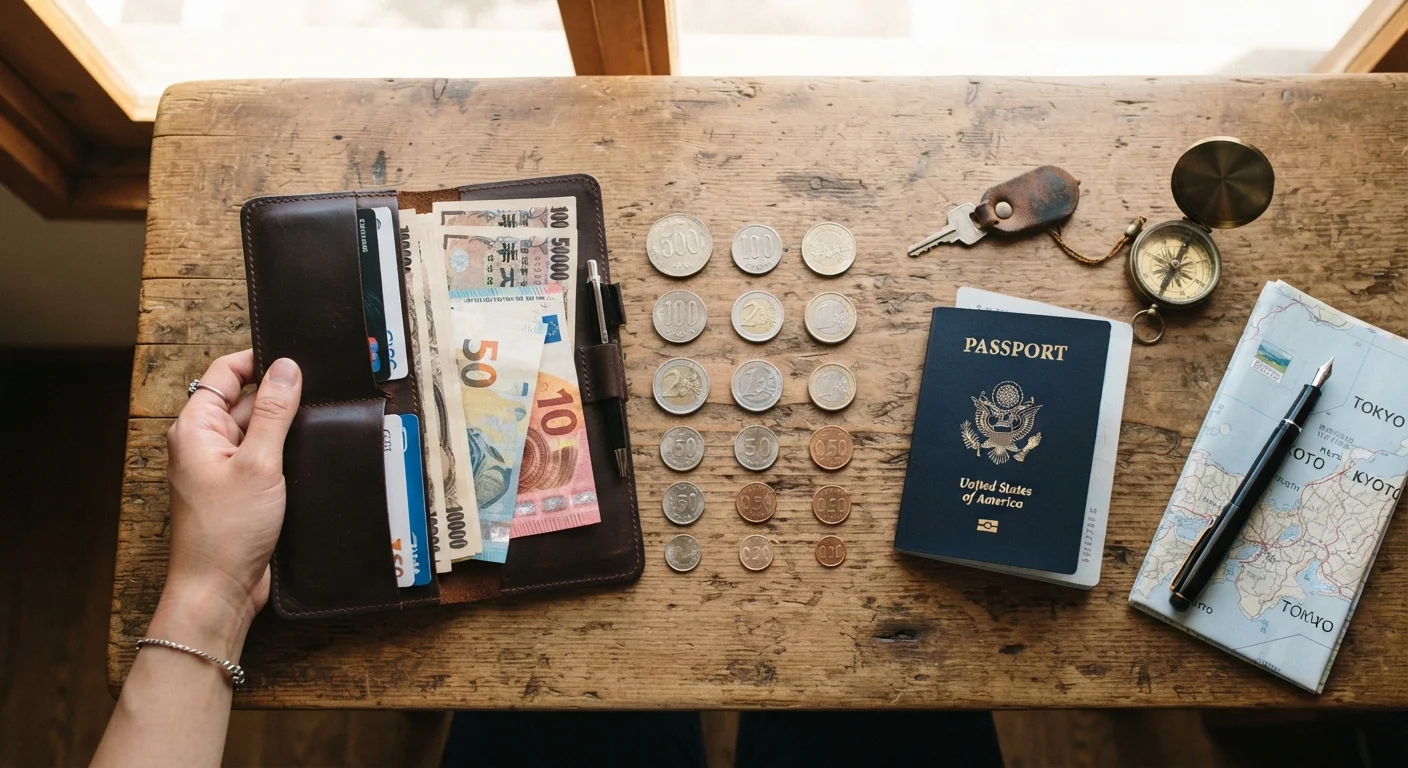
Carry some local cash. Even in card-friendly countries, small vendors, markets, and transit systems may be cash-only. Arrive with a modest amount of local currency or withdraw some promptly on arrival.
A Simple Rule for Airport Currency
If you need cash immediately on arrival, withdraw from an ATM inside the airport rather than exchanging at a kiosk - rates are generally better. Check your bank's international ATM policy before you go so you know what fees to expect.
Navigating Airports and Customs
International airports are a different world from domestic ones, and arriving unprepared wastes time and adds stress.
Build in more time than you think you need. International check-in lines, security with document checks, and sometimes a separate passport control queue all take longer. Most airlines recommend arriving three hours before an international flight.
Customs declarations are not optional. Nearly every country requires incoming travelers to complete a customs declaration - even if you have nothing to declare. Read the form carefully on the plane. Honest, accurate completion keeps things moving. Declaring something you're unsure about is almost always safer than not declaring it. Requirements vary by destination, so check official guidance beforehand. See our resource on reading official passport and entry guidance for help interpreting what you find.
Know which line you're in. International arrivals funnel through passport control (for immigration) and then customs. Watch the signage carefully - the two queues are separate, and taking the wrong one causes delays.
Customs Mistakes Have Real Consequences
Bringing undeclared food, plant material, or goods over the duty-free allowance can result in fines or confiscation at customs. Requirements vary by country - check the official guidance for your destination before you pack. When in doubt, always declare.
The Overlooked Pre-Departure Tasks
These are the tasks that don't feel urgent until you're already on the other side of the world without them sorted.
- Phone plan: Contact your carrier or research an international eSIM option. Arriving without any data plan means no maps, no translation apps, and no way to reach your accommodation.
- Medication supply: Bring more than you think you'll need, in original labeled containers. Some medications available in the US require a prescription or are restricted in other countries - research this in advance.
- Mail and deliveries: Set a mail hold with USPS and pause any regular deliveries so your home doesn't signal vacancy while you're away.
- Emergency contacts and copies: Store digital copies of your passport, insurance card, and itinerary in a secure place - your email drafts folder works in a pinch. Leave a physical copy with a trusted person at home.
Our article on things travelers routinely forget before leaving home covers even more of these easy-to-miss tasks.
Medications Abroad: Check Before You Travel
Some prescription medications that are legal in the US are controlled or restricted in other countries. Before traveling, verify whether your medication is permitted at your destination and whether you need supporting documentation such as a doctor's letter. Official embassy or health ministry websites are the most reliable sources for this information.
Packing Smarter for Your First International Trip
Overpacking is nearly universal on a first international trip, and it costs you - in checked bag fees, in exhaustion lugging things through unfamiliar transit systems, and in time spent managing gear instead of enjoying your destination.
A carry-on-only approach is achievable for trips up to two weeks with the right strategy: versatile clothing in neutral colors, travel-sized toiletries, and a ruthless mindset about what you'll realistically use. Our complete starter guide to packing your first big trip takes you through bag selection, clothing choices, and document organization step by step.
Before you zip up, run through a proper pre-departure checklist. The international travel packing checklist covers adapters, health items, documents, and the specifics that are easy to overlook until you're already at the airport.
Going solo? The logistics shift a little - read our overview of solo travel for first-timers for tailored guidance.
Your first international trip has a learning curve, and that's completely normal. The travelers who enjoy it most are usually the ones who prepared the practical side thoroughly - so they could spend their actual trip being present. You've got this.
US Department of State - Travel Information
The official source for country-specific entry requirements, travel advisories, and passport information for US citizens. Always verify requirements here before booking.
Trip Planning From Scratch
New to planning trips entirely? This end-to-end walkthrough covers every stage from choosing a destination to finalizing your packing - ideal reading before your first international adventure.