Know What Documents Your Trip Actually Needs
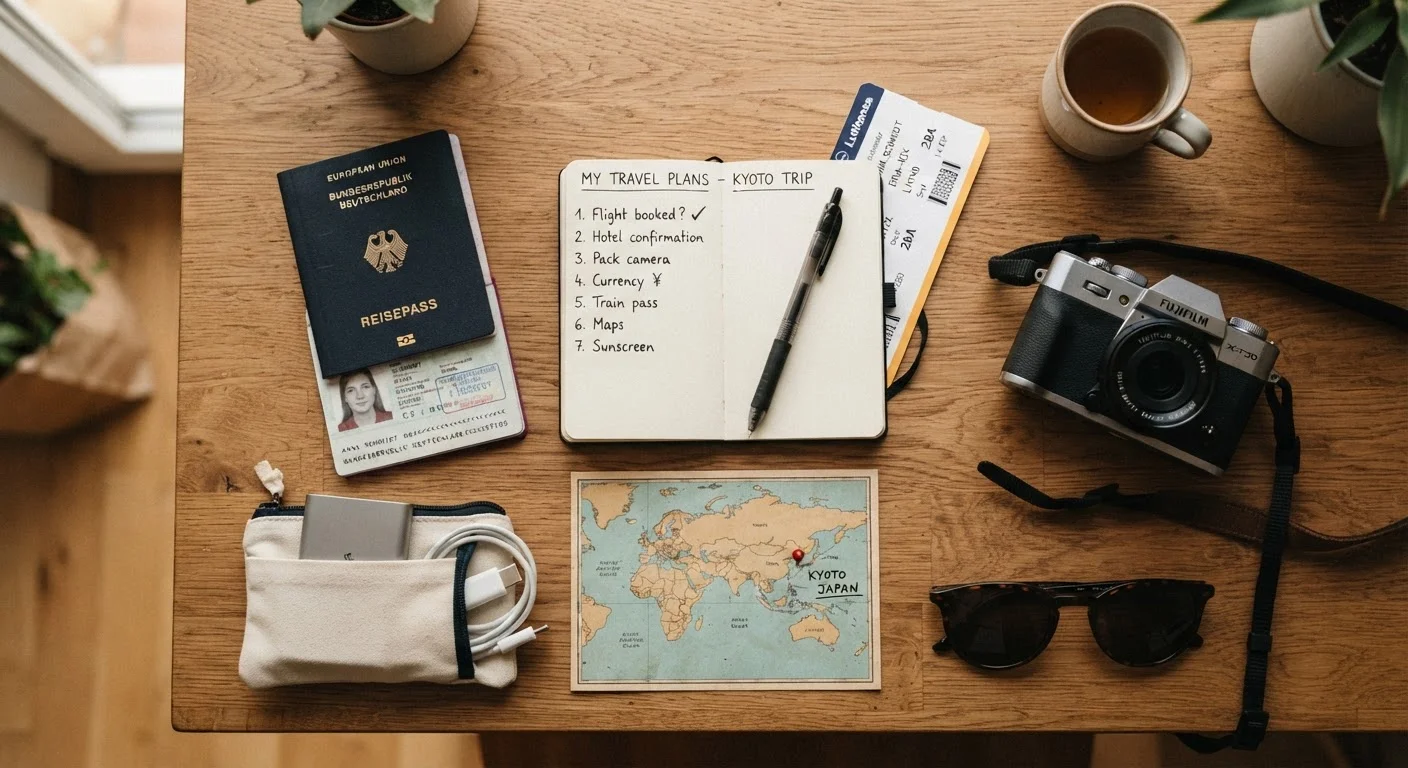
Before you can organise anything, you need a clear list. The exact documents required vary by trip type, destination, and your personal travel profile, but most trips draw from the same core set:
- Passport or government-issued ID - check expiration dates; many countries require at least six months validity beyond your travel dates
- Visas or entry authorizations - some are electronic (like ESTA for the US or eTA for Canada); others require physical stamps or letters
- Flight and transport confirmations - airline bookings, train tickets, ferry passes
- Accommodation confirmations - hotel, rental, or hostel booking receipts with addresses
- Travel insurance documents - policy number, emergency contact line, and coverage summary
- Health documentation - vaccination records if required by your destination
- Driving documents - if renting a car abroad, your license and potentially an International Driving Permit
Start this list at least a week out. That gives you time to chase anything missing without panic. See our pre-trip planning checklist for a fuller rundown of what to confirm before you even book.
Visa and entry rules change. Always verify current requirements directly with official government or embassy sources before your trip - never rely solely on third-party websites or this article for entry requirements.
Best Practices for Organising the Physical Copies
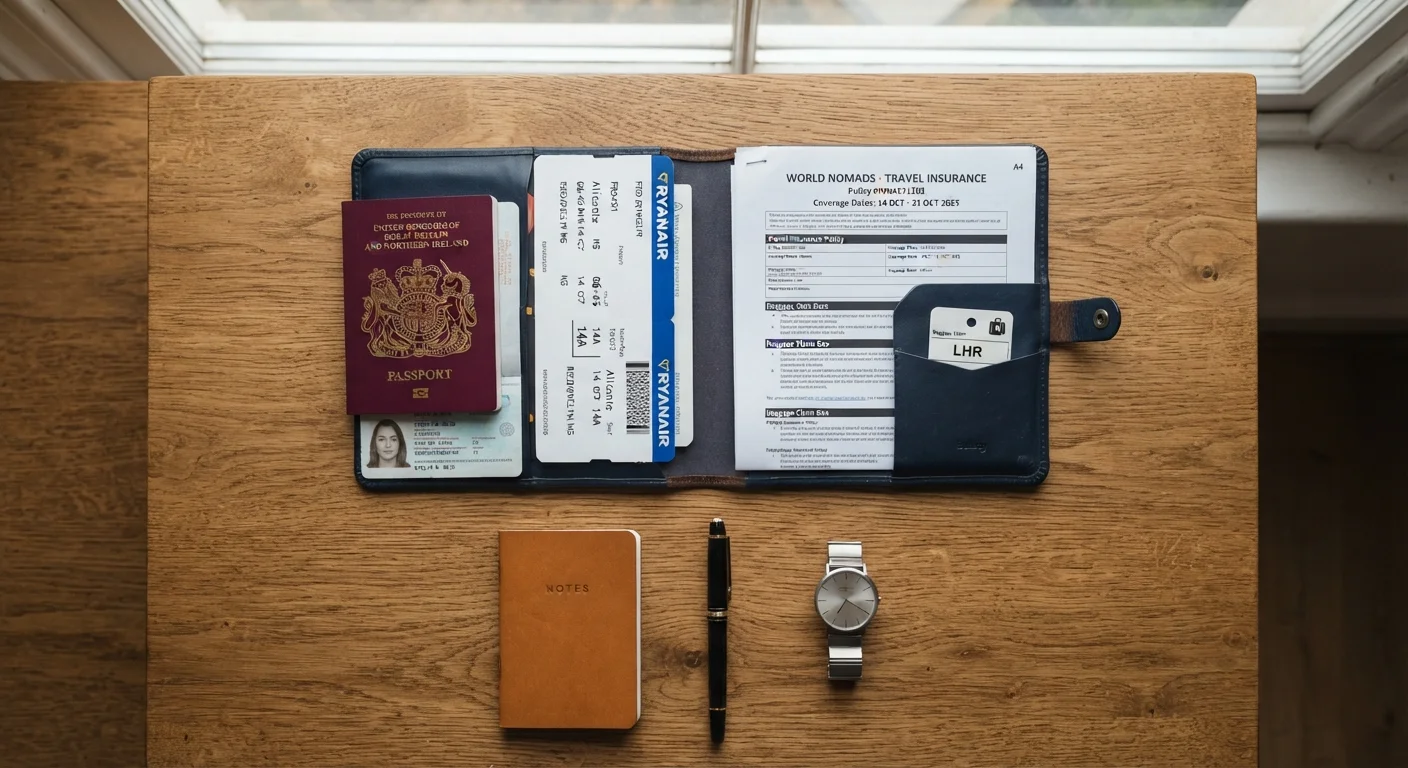
A dedicated travel document wallet - slim, water-resistant, and just large enough - is the single most effective tool for keeping everything together. Think of it as a system, not just a pouch.
Organise documents in trip-sequence order inside your wallet
You'll need your passport at check-in, your boarding pass at the gate, and your hotel confirmation at the front desk - in that order. Sorting documents by when you'll use them means you're never rifling through a pile at a busy counter.
Keep one full set of photocopies separate from your originals
If your wallet is lost or stolen, a photocopy of your passport can help establish your identity with your embassy and speed up emergency replacement. Originals and copies stored together offer no protection.
Write your emergency contact and insurance details on a card inside the wallet
Phones run out of battery and screens crack. A handwritten or printed card with your travel insurance hotline, policy number, and a local emergency contact number works when technology doesn't.
Double-check passport expiration dates at least three months before travel
Many countries require your passport to be valid for three to six months beyond your return date. Catching an expiring passport three months out leaves comfortable time to renew without paying for expedited processing.
Store any electronic travel authorizations alongside your boarding passes
Authorizations like ESTA (for travel to the US) or eTA (for Canada) are electronically linked to your passport, but having a printed confirmation gives you something to reference if questioned. It also speeds up any manual verification.
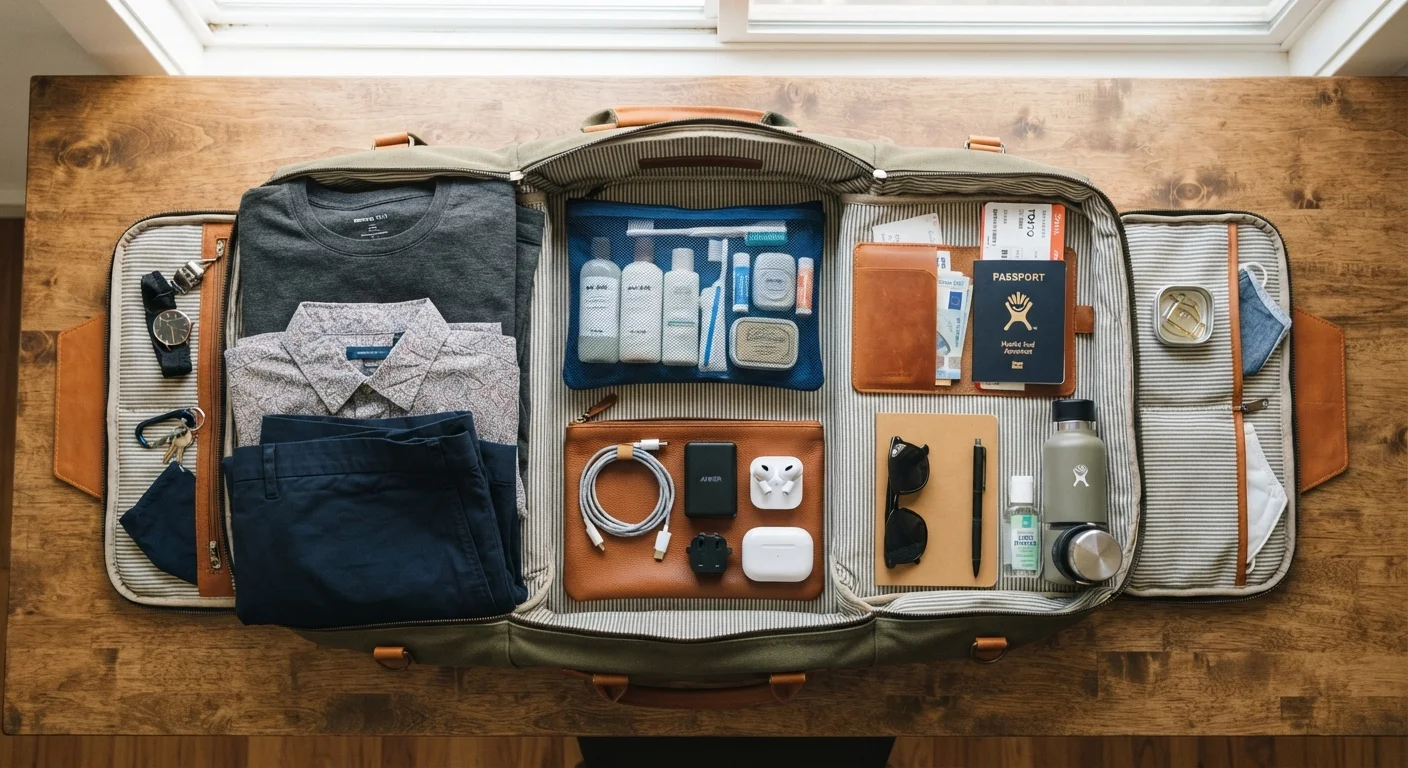
Once you have your physical documents sorted, slot the wallet into the same spot in your bag every single time. Consistency is the real habit that prevents frantic airport searches. Our reusable travel kit guide covers how to build this kind of repeatable setup across all your gear.
Creating Digital Backups That Are Actually Useful
Physical documents get lost, soaked, or stolen. Digital backups cost nothing and take under ten minutes to set up properly.
The key word is accessible. A backup buried in an unsynced folder on a laptop you left at home helps no one. Aim for copies you can reach from any device, anywhere - cloud storage apps, email drafts, or a secure password-protected note all work well. Just make sure someone you trust also has access in case of emergency.
Make Your Backup Accessible Offline Too
Cloud backups are great until you have no signal. Before you leave, download your document PDFs to your phone's local storage so you can access them in airplane mode or in areas with poor connectivity. Most cloud storage apps have a 'make available offline' option - use it for your travel documents folder.
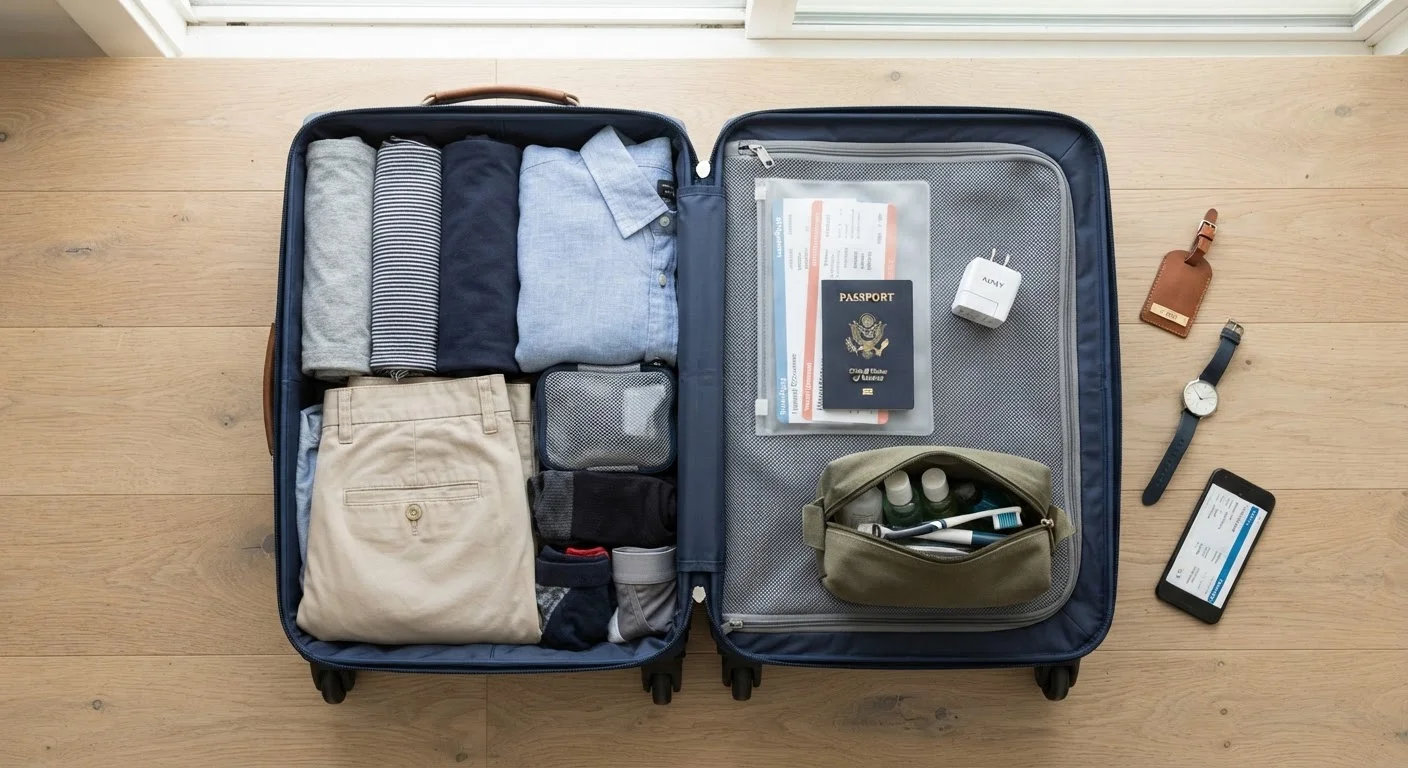
For international trips especially, document organisation is tightly linked to your overall packing plan. Cross-reference your document list with our international travel packing checklist to make sure nothing slips through.
Your Final Document Check Before Departure
The night before you fly is the right moment for one last sweep - not the morning of, when there's no time to fix problems. Run through your physical wallet and confirm each document is present, legible, and unexpired. Then confirm your digital backups are accessible on your phone.
Our departure-ready checklist walks through this process step by step if you want a structured guide to follow. And if you're heading on a shorter getaway, the weekend trip packing checklist folds document checks into a broader packing plan.
Travel documents are the one category where being over-prepared genuinely pays off. A few minutes of organisation before you leave home can prevent hours of stress at the border, the rental desk, or the check-in counter.
1 in 4
Travelers who forget a document before departure
Travel industry surveys consistently find that missing or inaccessible documents are among the most common causes of trip disruption at airports and border crossings.
6 months
Minimum passport validity many countries require
Numerous destinations - particularly in Asia, Africa, and the Middle East - require at least six months of passport validity beyond your planned departure date from their country.