What Sets These Two Options Apart
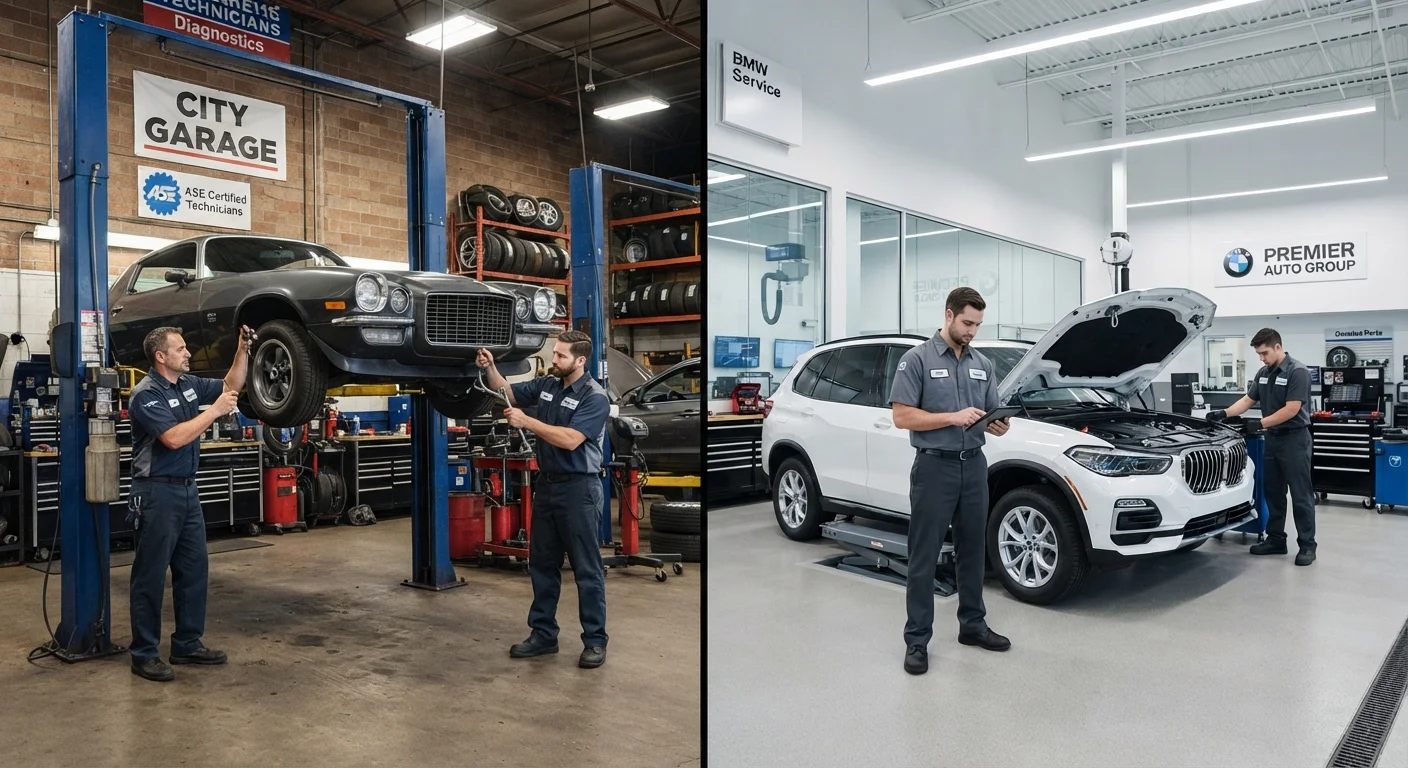
When your car is due for a service, you generally have two paths: take it to an independent garage - a locally owned shop not affiliated with any automaker - or to a franchised dealership service center tied to your vehicle's brand. On the surface, both will change your oil and rotate your tires. But there are real differences in how they operate, what they charge, and when one clearly outperforms the other.
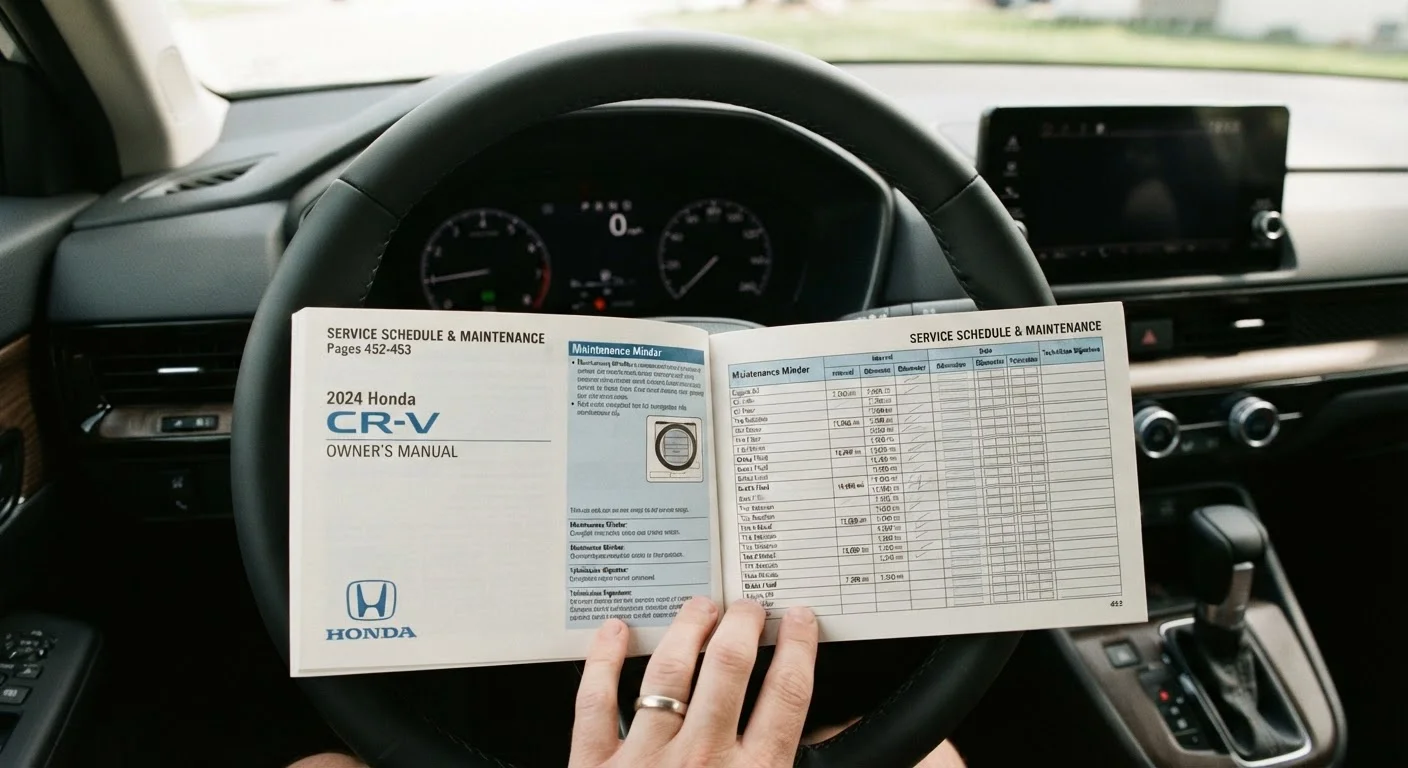
Understanding those differences puts you in control. As a starting point, reading your owner's manual tells you exactly what services are due and when - which makes it easier to have an informed conversation with any shop you choose.
| Independent Garage | Dealership Service Center | |
|---|---|---|
| Typical labor cost | Generally lower | Generally higher |
| Technician training | ASE-certified (varies by shop) | Factory-trained for your brand |
| Parts used | OEM or quality aftermarket | Genuine OEM parts standard |
| Warranty work & recalls | Cannot perform covered warranty work | Required for warranty claims and recalls |
| Diagnostic software | Generic tools; may miss brand-specific codes | Proprietary manufacturer tools |
| Scheduling flexibility | Often quicker turnaround | Can have longer wait times |
| Best for | Routine maintenance, older vehicles | Newer cars, complex repairs, warranty service |
The Case for Independent Garages
Independent shops typically have lower overhead than dealerships, and that often shows up in their labor rates. For straightforward jobs - oil and filter changes, tire rotations, brake pad replacements - an independent garage can perform the work competently at a noticeably lower price.
Many independent mechanics are ASE-certified (Automotive Service Excellence), meaning they've passed standardized competency exams. A shop with certified technicians and modern diagnostic equipment can handle most repairs on most vehicles without issue.
One concern drivers sometimes raise is whether using an independent shop could void their factory warranty. Under the federal Magnuson-Moss Warranty Act, manufacturers generally cannot require you to use only their dealerships for routine maintenance as a condition of keeping your warranty valid - as long as the work is performed correctly and with appropriate-quality parts. That said, always keep your service records and receipts to document what was done.
Ask to See Certifications Before You Commit
A reputable independent garage will display ASE certification for its technicians and be happy to answer questions about their experience with your vehicle type. Don't hesitate to ask how long they've been in business and whether they offer a warranty on labor. A shop confident in its work will have straightforward answers.
The main caveat with independent garages is consistency. Quality varies from shop to shop, so it pays to research before you commit. Ask neighbors or coworkers for referrals, check whether the shop is ASE-certified, and get a written estimate before any work begins. See our broader guide on car maintenance for new drivers for more context on what routine service involves.
The Case for Dealership Service Centers
Dealership technicians receive factory training specifically for your vehicle's make and model. They have access to proprietary diagnostic software, technical service bulletins issued by the manufacturer, and genuine OEM (original equipment manufacturer) parts. For vehicles with complex electronics, advanced driver-assistance systems, or brand-specific quirks, that specialized knowledge genuinely matters.
Warranty work almost always needs to go through the dealership - that's where recalls are handled and where the manufacturer covers the cost of covered repairs. If your car is still within its bumper-to-bumper warranty period, keeping service at the dealership simplifies any future warranty claims.
The trade-off is cost. Dealership labor rates and parts prices tend to run higher than independent shops. You may also encounter upselling pressure for services that aren't yet due. Knowing your maintenance schedule in advance - again, your owner's manual is the authority here - helps you push back confidently on unnecessary add-ons.
Watch for Services You May Not Need Yet
Both dealerships and independent garages can recommend services ahead of schedule. Before agreeing to any additional work, check your owner's manual to confirm whether it's actually due. A written service estimate reviewed before work begins gives you a chance to ask questions and decline unnecessary items without pressure.
It's also worth considering that hidden costs in car ownership can add up quickly, and routine servicing is one area where the price difference between options compounds over time.
How to Make the Right Call for Your Situation
A few practical questions can guide your decision:
- Is your car under warranty? If yes, the dealership is generally the safer choice for covered systems, and required for any warranty claims.
- What type of service do you need? Routine maintenance (oil, filters, tires) is well within reach for most independent shops. Complex diagnostics, software calibrations, or recalls typically require a dealership.
- How old is your vehicle? Older, out-of-warranty cars are excellent candidates for independent shop servicing.
- What does the estimate look like? Get quotes from both where practical. Factor in parts quality, labor warranty, and convenience - not just the bottom line.
Weighing warranty and support terms is a useful habit in any comparison, including this one. Whether you're choosing a garage or a dealership, ask what guarantee covers the work they perform.
For a broader picture of what owning and maintaining a vehicle involves, our car ownership basics hub covers the financial and administrative side of keeping a car on the road.