Why the Sticker Price Is Just the Starting Point
When two options sit side by side - whether you are comparing appliances, vehicles, software, or home improvements - the price tag is the most visible data point available. It is also one of the least complete. The sticker price represents a single moment in a product's life: the day you pay for it. Everything that follows - setup, upkeep, consumables, and recurring fees - is largely invisible at the shelf or checkout screen.
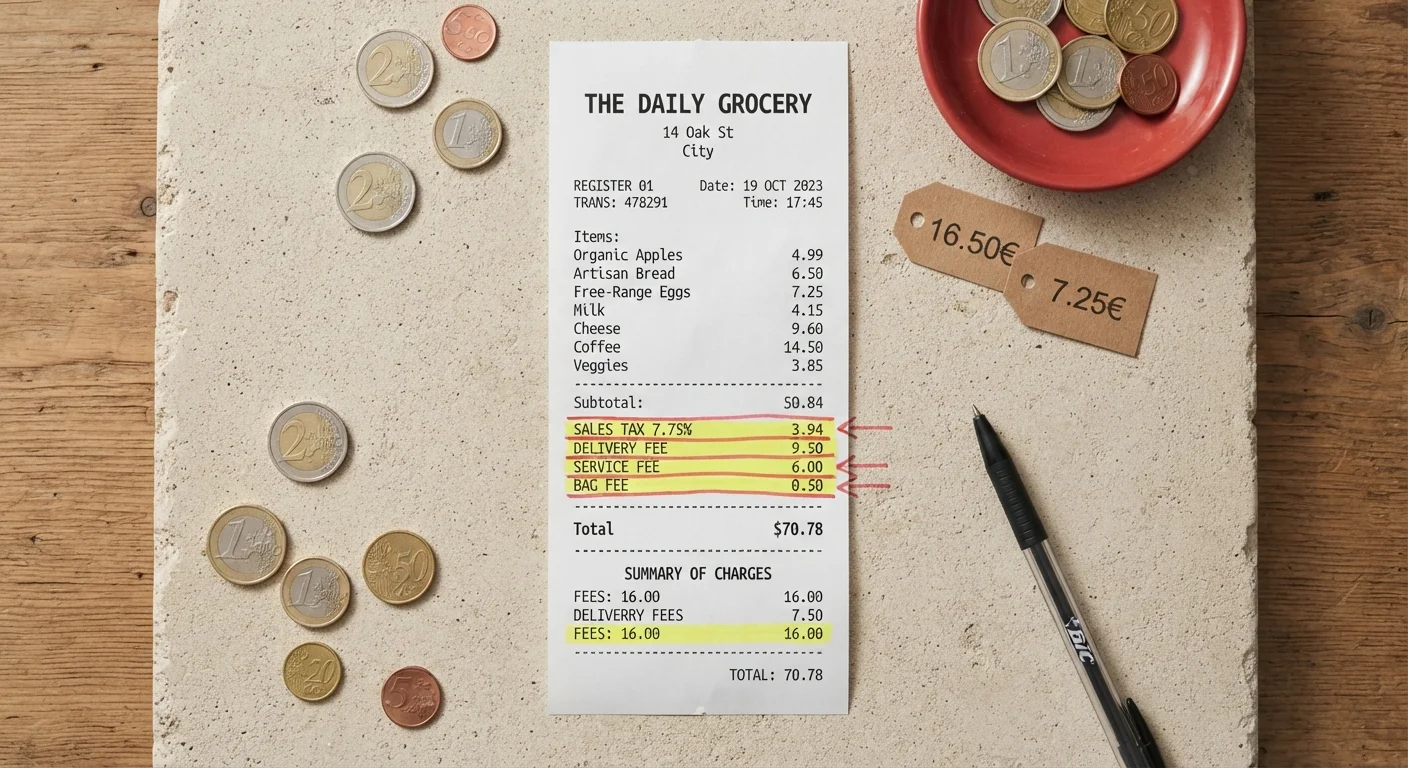
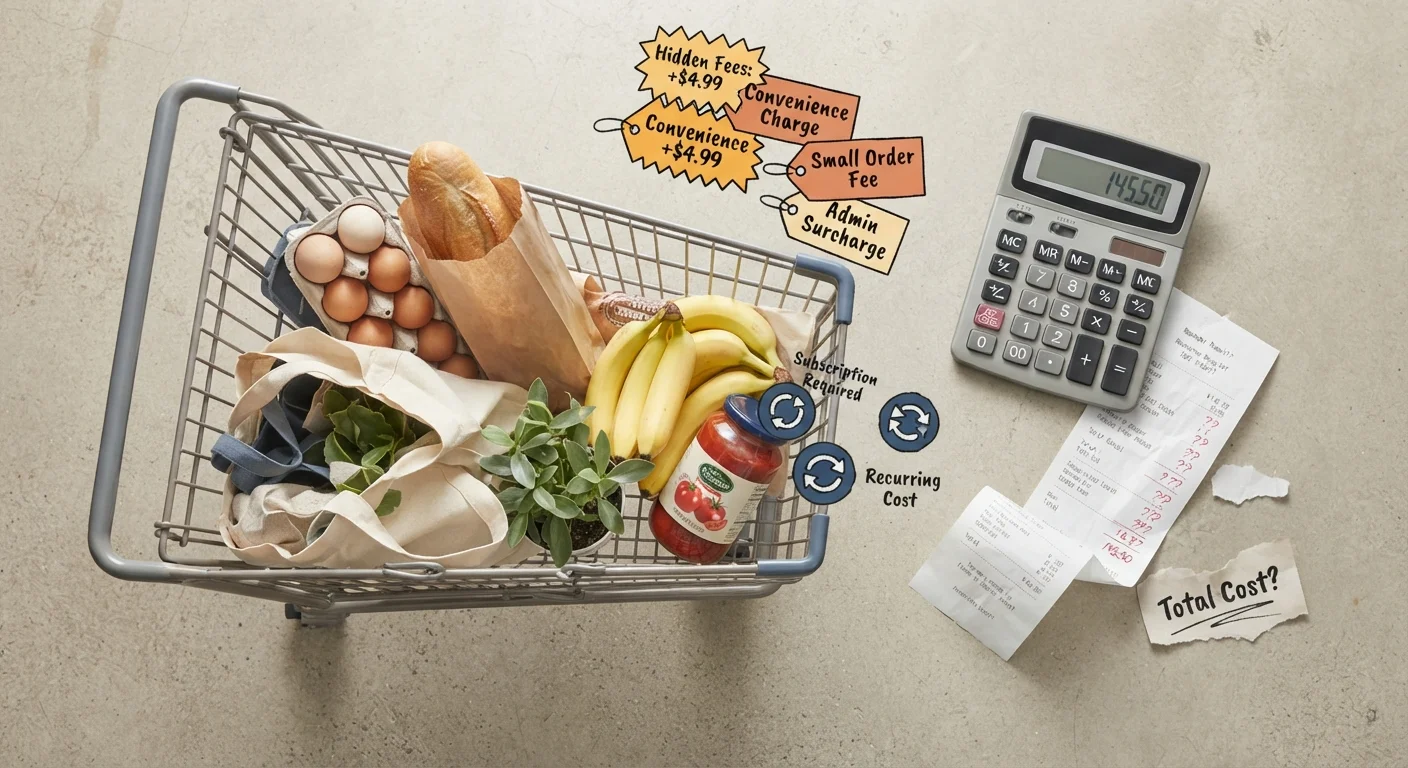
This is not accidental. Pricing structures are often designed to keep the entry cost low and recover margin through accessories, service plans, or mandatory subscriptions. Understanding this dynamic is not about cynicism; it is about shopping with your eyes open. Our article on hidden costs that turn a bargain into a bad deal covers many of the specific fee categories worth watching for.
Total Cost of Ownership Is What Matters
The sticker price reflects only what you pay at the point of sale. For most purchases of any size, ongoing costs - maintenance, consumables, subscriptions, and accessories - will exceed the upfront price over a typical ownership period. Always calculate total cost of ownership before committing, not after.
The good news: building a complete cost picture is not complicated. It just requires asking a few questions the marketing materials will not answer for you.
The Mistakes That Cost Buyers the Most
The errors below are not rare or unusual - they are the default behaviour of almost every first-time buyer in a new category. Each one is entirely preventable once you know to look for it.
Comparing only the sticker prices of two options without accounting for what each requires after purchase.
Why it happens: Upfront prices are visible and easy to compare; downstream costs are scattered across spec sheets, FAQs, and fine print that most buyers never read.
Ignoring installation and setup costs when evaluating a purchase.
Why it happens: Installation is treated as a one-time, minor inconvenience rather than a real budget line - until the invoice arrives.
Underestimating how quickly mandatory accessories inflate the total price.
Why it happens: Marketing focuses on the base product; required accessories are listed as optional even when they are practically necessary to use the item.
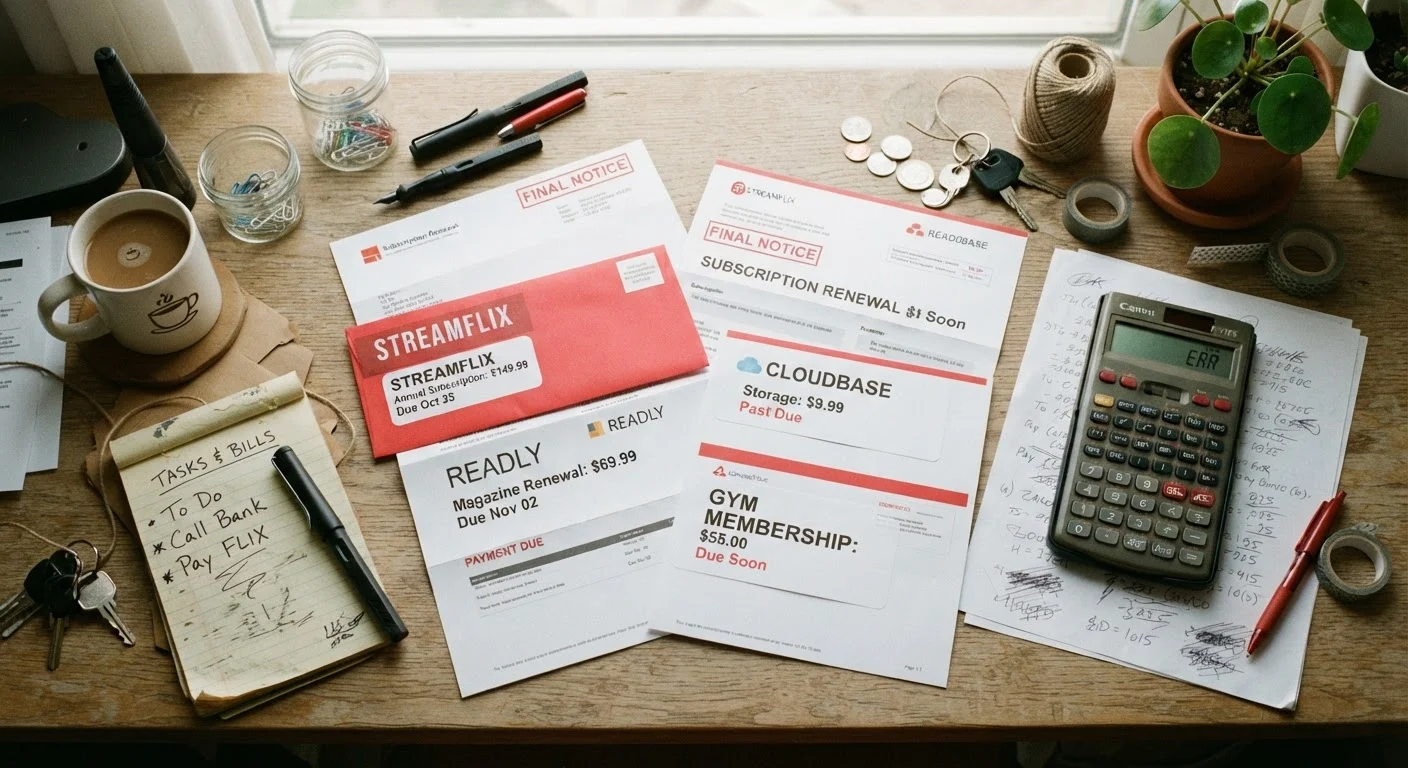
Treating a low monthly subscription fee as negligible without calculating its annual or multi-year impact.
Why it happens: Small numbers feel small - $8 a month does not trigger the same scrutiny as a $96 annual charge, even though they are identical.
Skipping the maintenance cost calculation when comparing durable goods.
Why it happens: Buyers focus on acquisition and assume maintenance is either minimal or equal across options - neither is usually true.
For a broader look at why price-only comparisons consistently underperform, see our piece on why comparing on price alone tends to backfire. And if you are making a purchase that will still be in your home or garage years from now, short-term vs. long-term value is worth reading before you commit.
Building a Total-Cost Comparison Before You Buy
The most practical habit you can develop is a simple side-by-side cost sheet. For each option you are seriously considering, record:
- Upfront purchase price
- Installation or setup costs (get a quote, not an estimate)
- Required accessories or consumables in year one
- Annual subscription or service fees (converted from monthly if needed)
- Estimated annual maintenance based on manufacturer schedules or category averages
Recurring Charges Are Easy to Forget
Many products now require subscriptions to unlock core features - not just add-ons. A device, appliance, or software license priced attractively upfront may carry mandatory monthly fees that were not prominently disclosed. Before purchasing, search for the product's full pricing structure, including any required service plans.
You do not need a spreadsheet to do this - a notes app or even a piece of paper works. The goal is to make all costs visible at the same time, so you are comparing complete numbers rather than partial ones.
~40%
Of total product cost hidden post-purchase
Consumer research consistently finds that accessories, services, and maintenance account for a significant share of what buyers ultimately spend beyond the initial purchase price.
3-5x
Typical lifetime cost vs. sticker price for major appliances
Energy consumption, maintenance, and replacement parts often multiply the true long-term cost of major household appliances well beyond their purchase price.
If warranty terms differ between your options, factor those in too - warranty and after-sale support can meaningfully shift the long-term value equation. For ongoing budget management of recurring charges, budgeting basics offers practical frameworks to keep those costs visible month to month.