What Dashboard Warning Lights Are Trying to Tell You
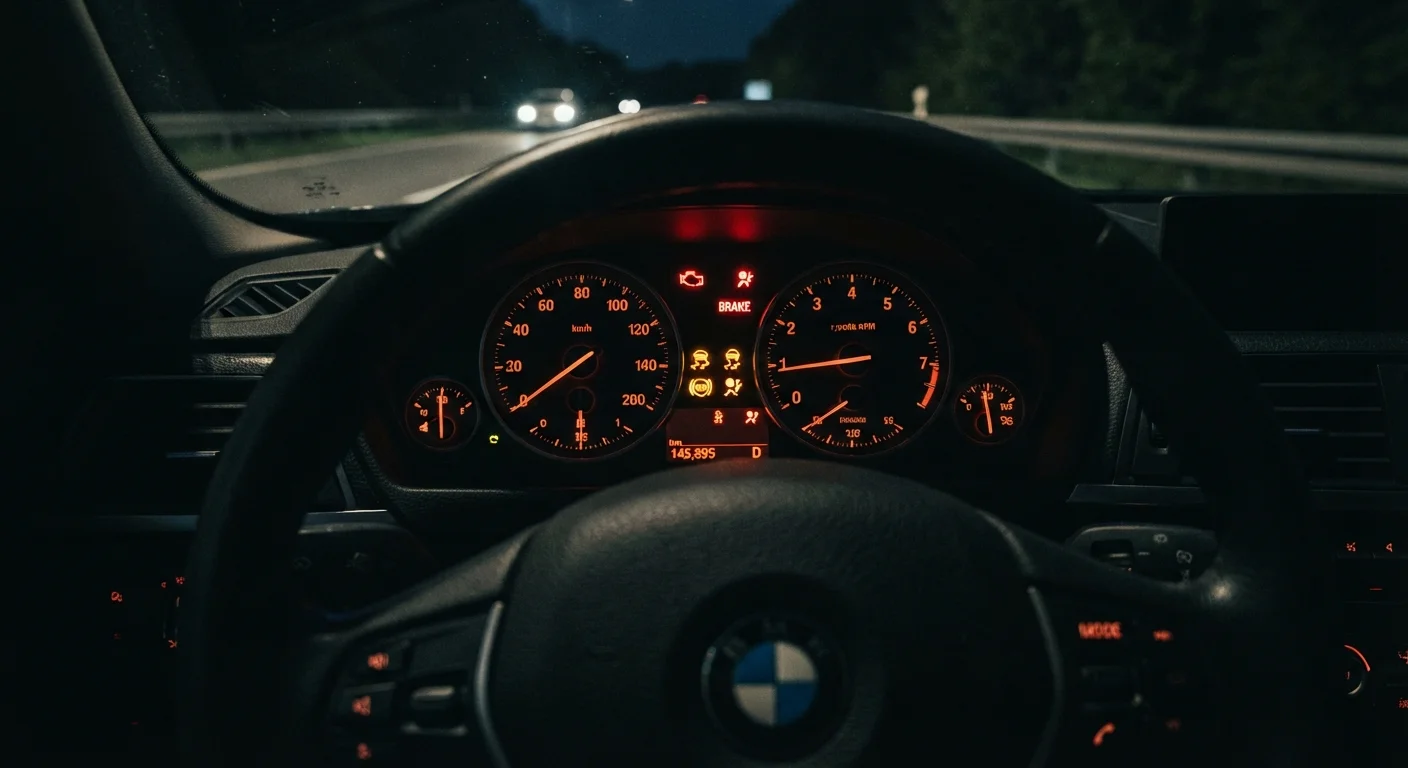
Your dashboard warning lights are a communication system built directly into your car. When something needs attention - whether it's low tire pressure or a misfiring engine - a symbol lights up to flag it. The challenge is knowing which lights demand immediate action and which ones can wait until your next scheduled service.
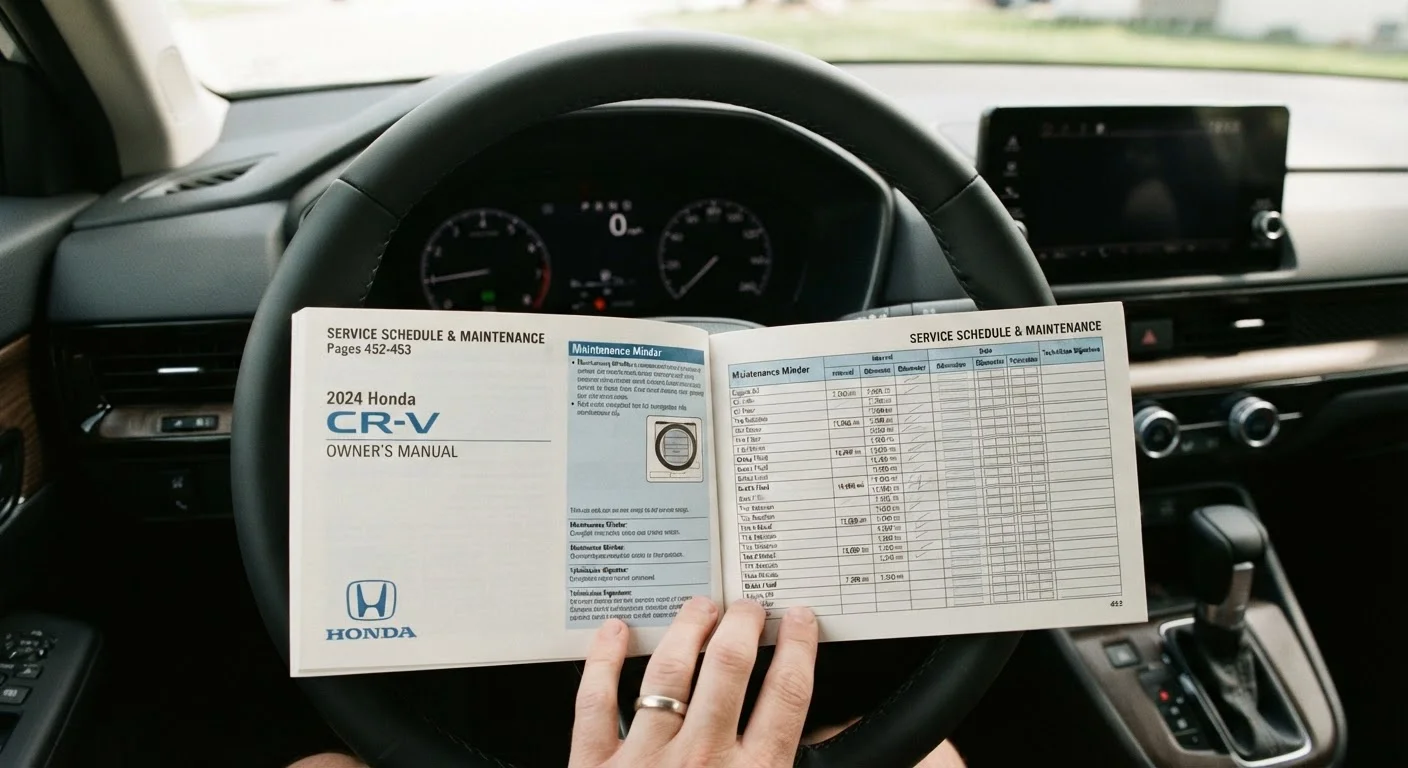
A useful rule of thumb: red lights are urgent, yellow or amber lights mean investigate soon, and green or blue lights are informational (they confirm a system is active, not that something is wrong). This color logic isn't universal across every manufacturer, so cross-referencing your owner's manual is always wise. See how to read your owner's manual for guidance on finding your vehicle's specific schedule and warnings.
| Red warning lights | Urgent - stop or seek service immediately |
| Amber/yellow warning lights | Caution - investigate within days |
| Flashing check engine light | More serious than a steady light - reduce speed and seek diagnosis promptly |
| TPMS trigger threshold | Typically 25% below recommended pressure (U.S. NHTSA TPMS regulations) |
| Correct tire pressure source | Driver's door jamb sticker, not the tire sidewall |
| Fault codes after light clears | Stored codes remain readable by a mechanic even after the light turns off |
Understanding these symbols doesn't mean you need to become a mechanic - it means you'll know when to pull over immediately, when to book a shop visit this week, and when a warning is simply routine information.
Common Warning Lights and What They Mean
Below are the lights drivers encounter most often, along with plain-English explanations of what each one signals.
OBD-II / Onboard Diagnostics
A standardized system built into most vehicles sold after 1996 that monitors engine and emissions components. When something falls outside normal parameters, it stores a fault code and can trigger a warning light.
TPMS
Tire Pressure Monitoring System. A sensor-based system that alerts you when one or more tires drop significantly below the recommended inflation level. It does not replace manual pressure checks.
Coolant
A liquid (also called antifreeze) that circulates through the engine to regulate temperature. Low coolant levels can cause the engine to overheat rapidly.
Fault Code
A numerical code stored by a vehicle's onboard computer when a sensor or system reports an abnormal reading. Mechanics use a diagnostic scanner to read these codes and identify the underlying issue.
Traction Control
A safety system that reduces engine power or applies braking to individual wheels when it detects wheel slip, helping the driver maintain control on slippery surfaces.
Brake Fluid
A hydraulic fluid that transfers force from the brake pedal to the brake components at each wheel. Low or degraded brake fluid can reduce braking effectiveness.
Lights That Require Immediate Action
- Oil Pressure (red oil can icon): This is not the same as an oil-change reminder. It means oil pressure has dropped dangerously low. Pull over safely as soon as possible and turn off the engine. Continuing to drive can cause severe, irreversible engine damage. Have the car towed if needed.
- Engine Temperature (thermometer in liquid): Your engine is overheating. Stop driving, let the engine cool, and check coolant levels only after the engine has cooled completely - opening a hot radiator cap can cause serious burns. If the light comes on frequently, have the cooling system inspected promptly.
- Battery (battery icon): The charging system isn't working properly. The car may be running on battery power alone, meaning it could stall. Head to a service shop soon; avoid running accessories that draw extra power.
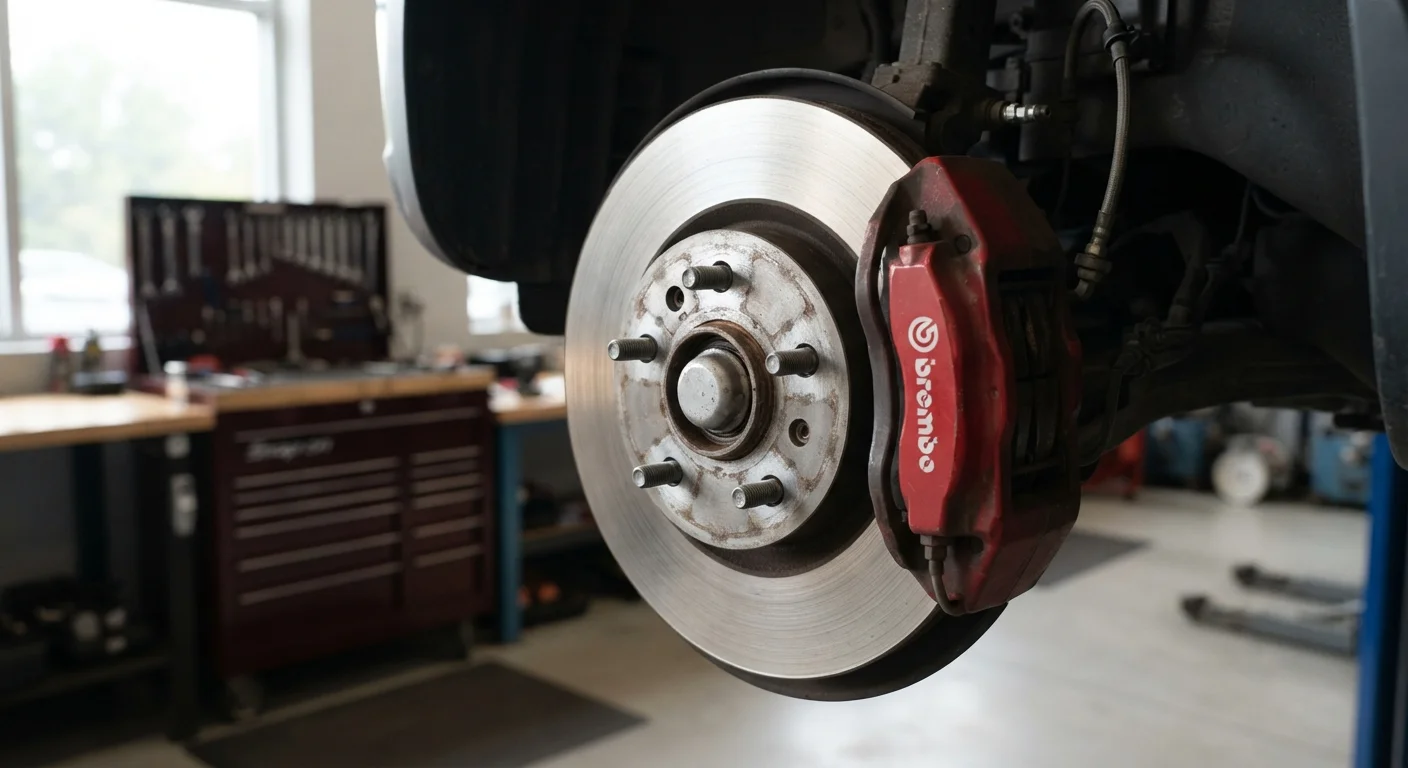
- Brake Warning (exclamation mark in circle): Can indicate low brake fluid, worn brake pads, or a fault in the braking system. If the parking brake is not engaged and this light appears, treat it as urgent. Learn how brakes work and when to seek inspection.
Lights That Need Attention Soon
- Check Engine (engine outline icon): Probably the most misunderstood light on any dashboard. It signals that the vehicle's onboard diagnostics have detected a fault - anything from a loose gas cap to a failing catalytic converter. A steady light usually means schedule a diagnostic soon. A flashing check engine light typically signals a more serious issue, such as an engine misfire; reduce speed and avoid heavy acceleration until it's inspected.
- TPMS - Tire Pressure Monitoring System (flat tire icon): One or more tires are significantly under- or over-inflated. Check tire pressure manually with a gauge and inflate to the level listed on the sticker inside your driver's door jamb (not the number on the tire sidewall). DIY car checks you can do at home walks through this process step by step.
- Traction Control / Stability Control (car with wavy lines): When flashing, this light means the system is actively working to maintain grip - normal in slippery conditions. If it stays on solid, the system may have a fault and you should have it checked.
- Transmission Temperature (thermometer with gear): The transmission is running hotter than normal. Ease off towing or hauling if applicable, and avoid hard acceleration. Have it inspected before the problem worsens.
A Warning Light That Clears Isn't Always Gone
Some faults are intermittent - the light may turn off on its own after a few drive cycles, but the underlying fault code stays logged in your vehicle's computer. A mechanic with a diagnostic scanner can retrieve that stored code even days after the light disappeared. Don't skip a diagnosis just because the light went away on its own.
Don't assume a warning light that turns off on its own means the problem is resolved - some faults are intermittent but still need diagnosis. A stored fault code stays in your car's system even after the light clears, and a mechanic can read it. Learn more about separating real concerns from myths in our article on car maintenance myths.
Building Confidence Behind the Wheel
Recognizing warning lights is one of the most practical skills any driver can develop. It helps you avoid turning a minor issue into a costly repair, and it means you can have a more informed conversation when you do visit a shop.
If you're new to car ownership and want a broader foundation, our complete car maintenance overview for new drivers covers everything from fluid checks to when to call a mechanic. For general road safety awareness, the Driving & Safety hub is a good starting point.
When in doubt about any warning light your vehicle displays, consult a qualified mechanic. Dashboard symbols can look similar across models but mean different things - your owner's manual and a trusted technician are your two most reliable resources.