What a Car Title Actually Is
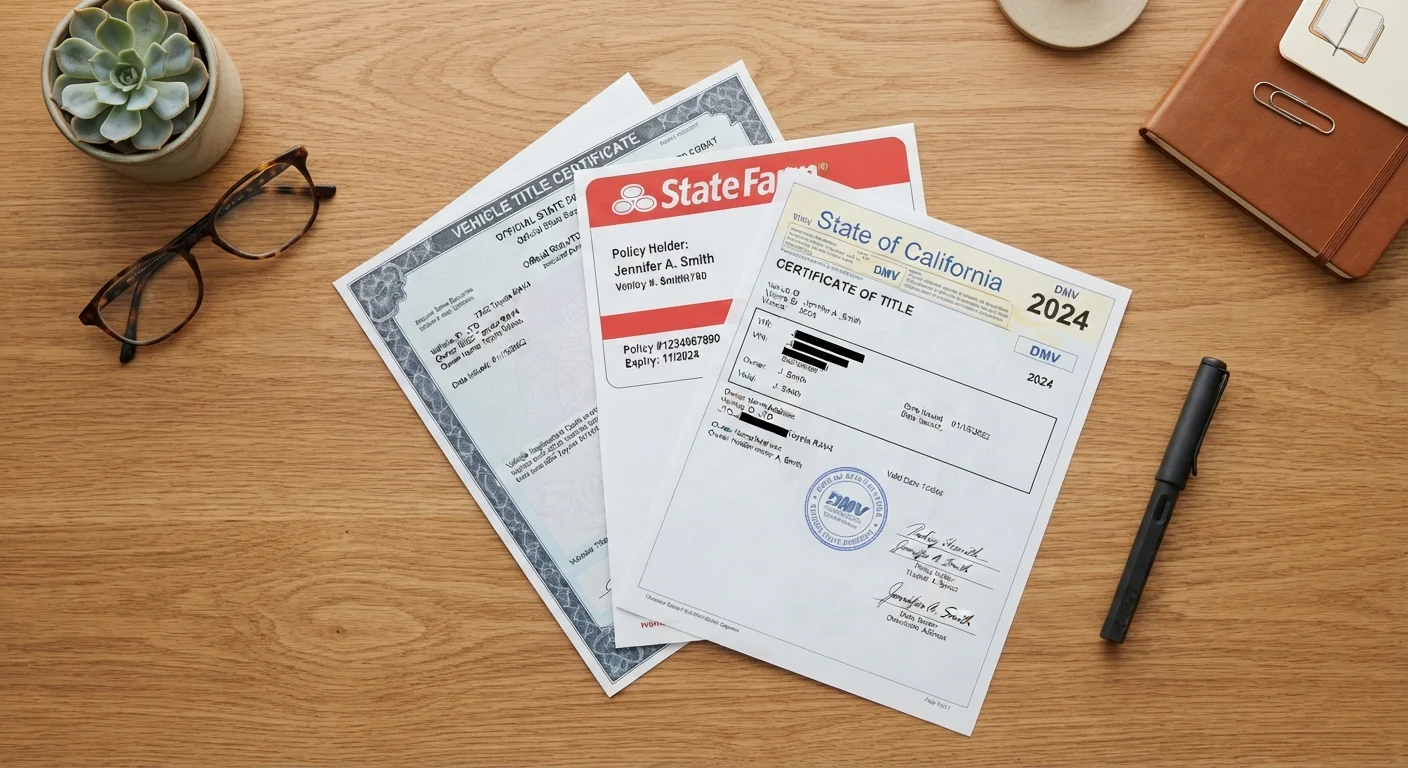
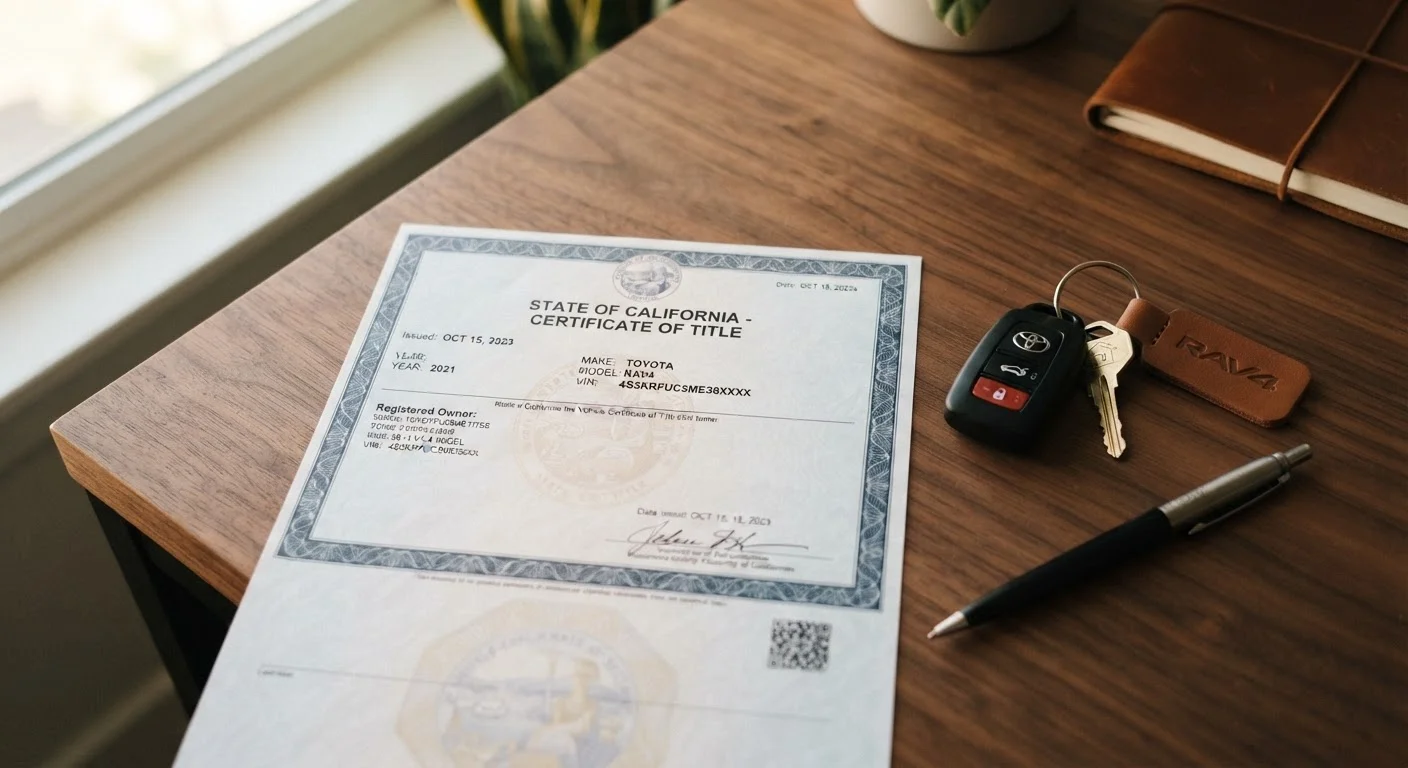
Think of a car title the way you'd think of a deed to a house. Just as a deed proves who owns a piece of property, a car title proves who owns a vehicle. It's a paper document - issued by your state's Department of Motor Vehicles (DMV) or equivalent agency - that carries the owner's legal name, the vehicle's VIN, and information about any outstanding financial claims on the car.
Every vehicle registered for road use in the US has a title. Whether you paid cash, financed the purchase, or inherited the car, there's a title somewhere with a name on it. That name is the legal owner.
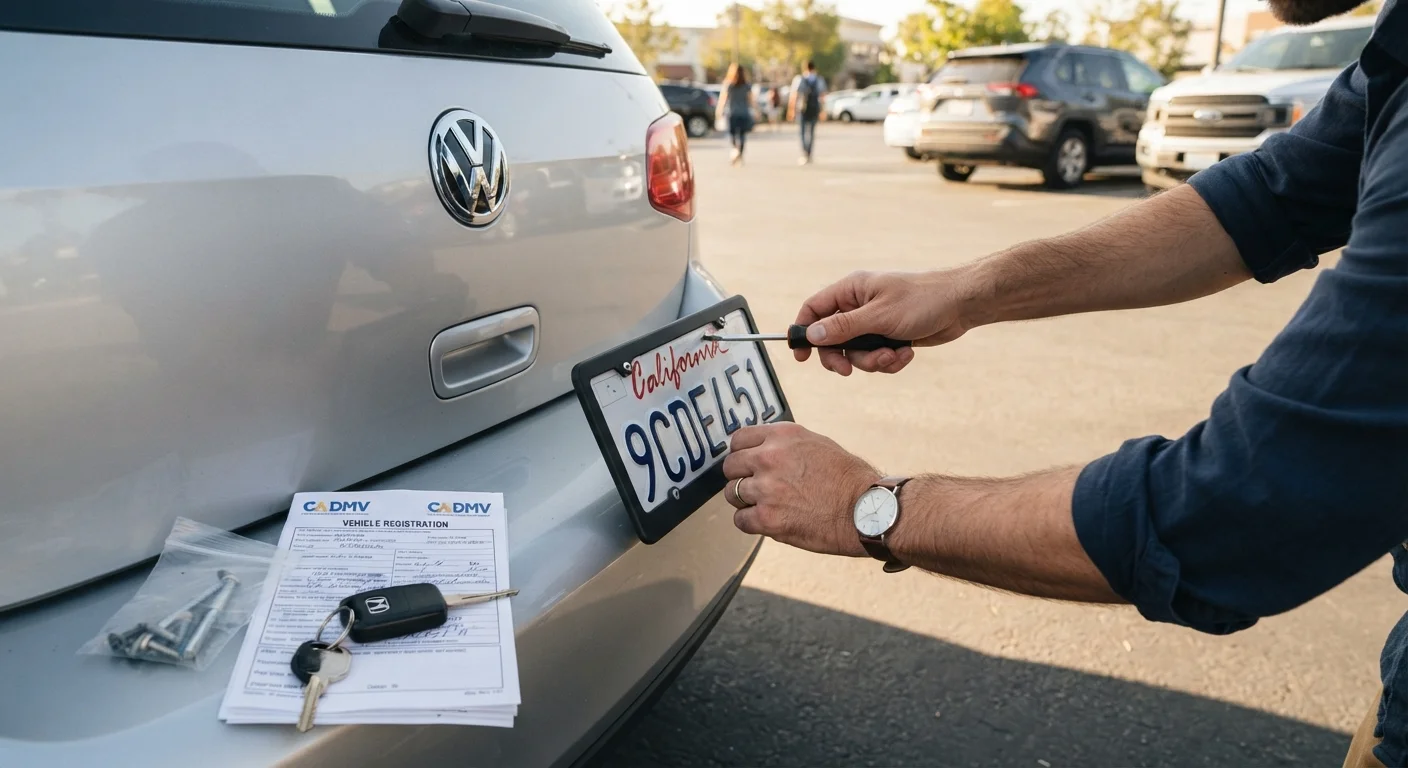
Titles are separate from registration. Registration is what you renew annually and what lets you legally drive the car on public roads. The title only comes into play when ownership changes - or when you need to prove the car is yours. For a broader look at the documents that accompany a car through its life, see The Paper Trail of Car Ownership.
What a Lien Means - and Why It Matters
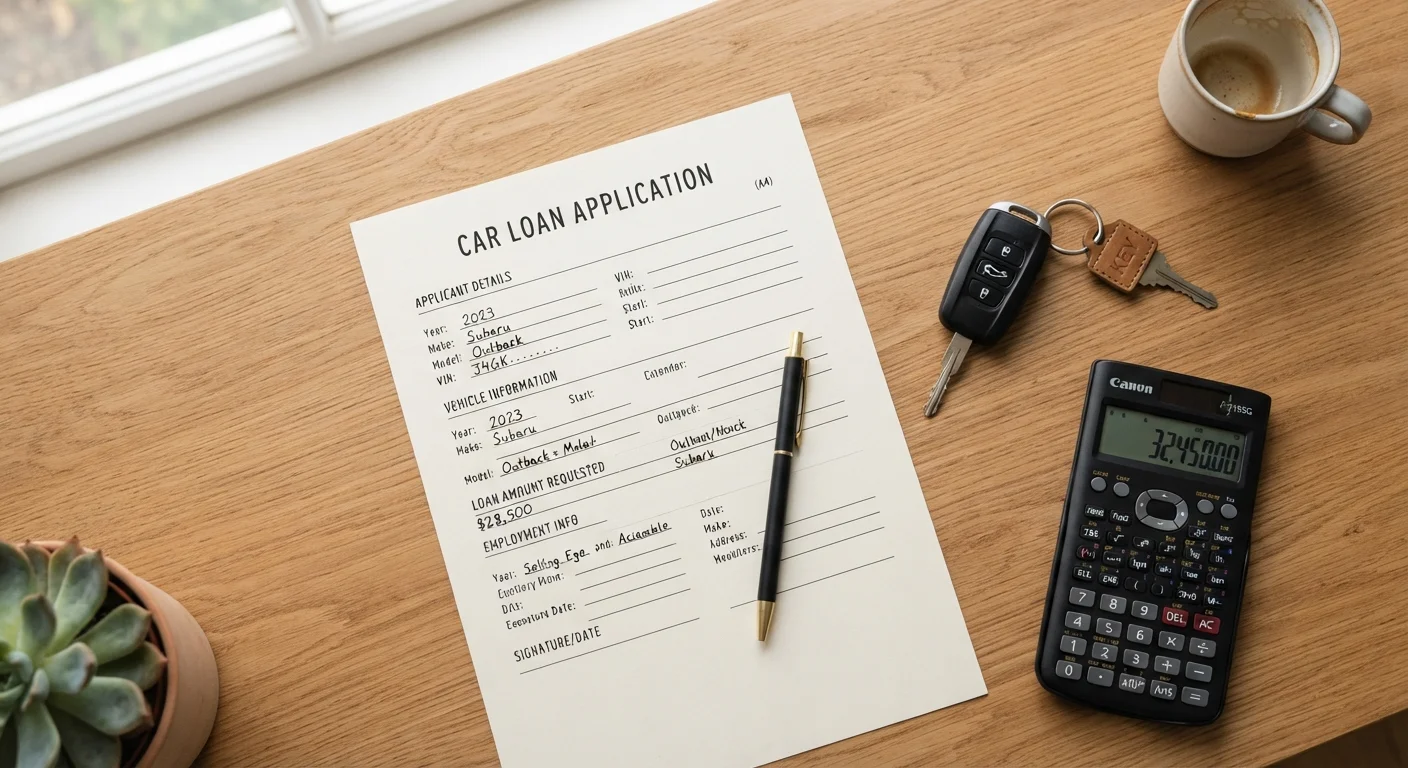
If you've ever financed a car, you've encountered a lien - even if no one used that word. A lien is a legal claim that a lender places on the title when they loan you money to buy the vehicle. It's their way of protecting their financial interest: if you stop making payments, they have a legal right to reclaim the car.
When there's a lien on your title, the lender is listed as a lienholder. In many states, the lender physically holds the title until the loan is paid off. In others, you receive the title but the lien is recorded on it. Either way, you can't sell or transfer the car freely until the lien is released.
Once you pay off the loan, the lender is required to release the lien. You'll receive either an updated title without the lien notation or a lien release letter - depending on your state. Hold onto that document. It's your proof of clear ownership.
Pay Off Your Loan? Get the Title Promptly
When you make your final loan payment, follow up with your lender within a few weeks to confirm the lien release is being processed. States have deadlines for lenders to release liens - typically 10 to 30 days after payoff - but it's easy to let this fall through the cracks. Tracking down a lien release years later can be a hassle.
To understand how financing affects your relationship with a car's title from the start, see Auto Loan Basics.
Title Types You May Encounter
Not all titles are equal. The type of title on a vehicle tells you something important about its history.
- Clean title: No outstanding liens, no major damage history recorded. This is the standard title most vehicles carry.
- Salvage title: The vehicle was declared a total loss by an insurer - usually after a serious accident, flood, or theft. It may or may not be roadworthy.
- Rebuilt or reconstructed title: A previously salvaged vehicle that was repaired and passed a state inspection. It's legally drivable, but the history follows it.
- Bonded title: Issued when the original title is lost and ownership is difficult to prove. A surety bond backs the claim. This situation is uncommon but worth knowing about if you're buying a vehicle without a clear paper trail.
50
States each issuing their own vehicle titles
Title requirements, formats, and processes are set at the state level, meaning rules can differ significantly depending on where you register your vehicle.
1 in 5
Used vehicles with a reported incident on record
According to vehicle history reporting services, a significant share of used cars carry some form of reported accident, title brand, or odometer issue in their history.
If you're buying a used car, always check what kind of title it carries. A salvage or rebuilt title can affect insurability, resale value, and financing options.
Transferring a Title: What Actually Has to Happen
Selling or buying a car without properly transferring the title is one of the most common - and costly - mistakes in private vehicle transactions. Until the title is transferred and recorded with the state, the previous owner is still the legal owner on paper. That creates liability and registration problems for everyone involved.
The basic process works like this: the seller signs the back of the title (most titles have a dedicated section for this), records the sale price and current odometer reading, and hands the signed title to the buyer. The buyer then takes that signed title to their local DMV to register the vehicle in their name.
Each state has its own timeline, fees, and specific requirements - some require a notarized signature, others don't. Check with your state DMV before the transaction so you have everything you need. For a step-by-step walkthrough of what comes after the title transfer, see Registering a Vehicle for the First Time.
Leasing Is Different from Owning
If you lease a vehicle, the title stays with the leasing company - not you. You're paying for the right to use the car, not to own it. When the lease ends, you return the car or buy it out. Understanding this distinction matters if you're weighing financing against leasing. See Financing vs. Leasing a Car for a fuller breakdown.