
Why This Relationship Is Genuinely Two-Way
Most people have experienced both sides without connecting the dots: a terrible night's sleep leaves you irritable and overwhelmed the next day, and a stressful or anxious period makes it nearly impossible to switch off at night. These aren't coincidences - they're the same cycle, running in both directions simultaneously.
Sleep is the brain's primary maintenance window. During deep sleep stages, the brain consolidates memories, clears metabolic waste, and recalibrates the emotional circuits that govern how you respond to stress. When sleep is cut short or fragmented, those processes are interrupted. The prefrontal cortex - the part of the brain responsible for rational thinking and emotional regulation - becomes less effective, while the amygdala, which processes fear and threat, becomes hyperreactive. The practical result: smaller stressors feel bigger, patience runs thinner, and recovery from upsetting events takes longer.
Mental health challenges work the other direction with equal force. Anxiety keeps the nervous system in a low-grade alert state that resists sleep onset. Depression often disrupts the architecture of sleep itself, altering the balance of sleep stages even when total hours look adequate. Rumination - the mental habit of replaying worries or regrets - is one of the most common reasons people lie awake, and it's almost always rooted in psychological, not physical, causes.
This Is Not a Simple Cause-and-Effect Story
It's tempting to frame sleep as either the cause or the cure for mental health struggles - but the relationship is more nuanced than that. Genetics, life circumstances, physical health, and social factors all play roles. Sleep improvement is one genuinely helpful lever among several, not a standalone solution. For a broader view of how relationships also factor in, see social connection as a health habit.
What Happens in the Brain During Sleep Deprivation
Even a single night of significantly reduced sleep is enough to produce measurable changes in mood and cognitive performance. Studies using brain imaging have shown that sleep-deprived subjects show up to 60% greater amygdala reactivity to negative stimuli compared to well-rested subjects - meaning the brain literally interprets the world as more threatening after poor sleep.
Over time, chronic sleep restriction is associated with elevated baseline cortisol (the primary stress hormone), reduced serotonin activity, and altered dopamine signaling - all of which are directly relevant to conditions like anxiety and depression. This doesn't mean sleep deprivation causes these conditions in isolation, but it creates conditions where vulnerabilities are more likely to surface and harder to manage.
~60%
Greater amygdala reactivity after sleep deprivation
Brain imaging research has found that sleep-deprived individuals show markedly higher emotional reactivity to negative stimuli compared to well-rested counterparts.
1 in 3
U.S. adults not getting enough sleep
The CDC has reported that approximately one-third of American adults regularly sleep less than the recommended minimum of seven hours per night.
75%
Of people with depression experience sleep disturbances
Research consistently finds that sleep disturbance is among the most common symptoms associated with depression, reinforcing the bidirectional nature of the relationship.
The good news embedded in this biology is that the relationship works in the positive direction too. When sleep improves, emotional reactivity often softens, concentration sharpens, and daily stressors feel more manageable. Sleep isn't a passive state - it's an active, restorative process your mental health depends on.
Recognizing the Cycle in Everyday Life
The sleep-mental health cycle often hides in plain sight. Common patterns include:
- Anxiety at bedtime: The quiet of night removes daytime distractions, bringing unresolved worries to the surface right when you're trying to wind down.
- Post-poor-sleep irritability: Short fuses, low frustration tolerance, and difficulty finding motivation are among the most consistent next-day effects of disrupted sleep.
- Avoidance of sleep itself: Some people unconsciously delay bedtime - a pattern called revenge bedtime procrastination - as a way to reclaim personal time, often at the cost of adequate rest.
- Mood-driven sleep irregularity: Depression can cause both hypersomnia (sleeping too much) and insomnia, disrupting circadian rhythms in either direction.
Noticing which pattern resonates for you is genuinely useful information. It points toward where to focus first - whether that's addressing anxiety before bed, building a more consistent sleep schedule, or exploring what's driving the psychological load. For a broader look at how daily patterns affect mood, see everyday habits that quietly erode your mood.
Practical Steps That Help Interrupt the Cycle
No single intervention resolves both sides of this equation overnight, but consistent behavioral changes can make a meaningful difference for many people. The following approaches have solid support in sleep and mental health research:
- Anchor your wake time: Waking at the same time every day - even on weekends - is one of the most effective ways to stabilize your body's internal clock, which in turn improves sleep quality and mood regulation.
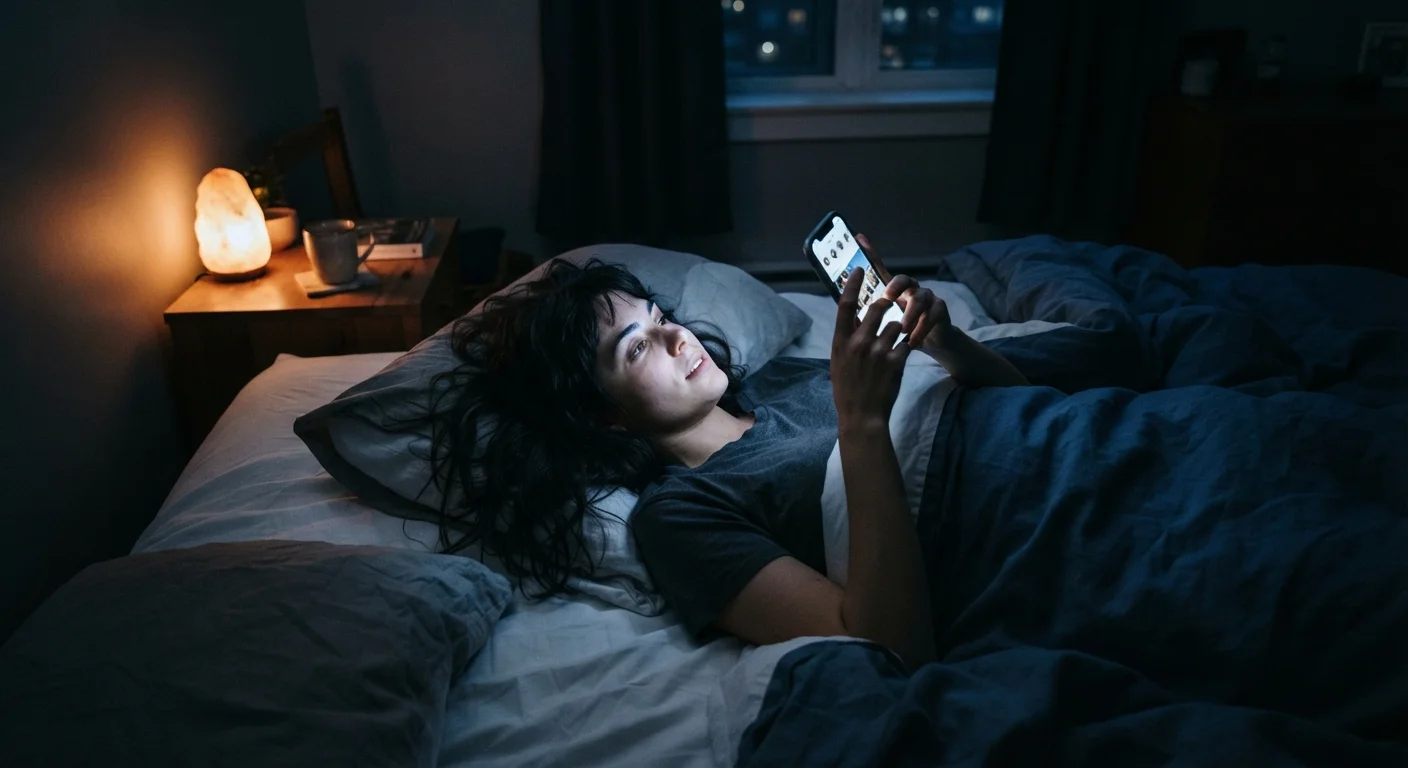
- Create a wind-down buffer: Giving yourself 30-60 minutes before bed for low-stimulation activity (reading, light stretching, quiet conversation) helps the nervous system shift out of alert mode. Evening screen habits are worth examining here - bright screens and emotionally activating content can delay sleep onset noticeably.
- Use your bed for sleep only: Working, scrolling, or watching intense content in bed trains your brain to associate that environment with wakefulness rather than rest.
- Try brief mindfulness practices: Even five to ten minutes of focused breathing or body-scan relaxation before sleep can reduce the cognitive arousal that keeps anxious minds awake. Understanding the difference between mindfulness and meditation can help you find the approach that suits your style.
Start With One Small Anchor
If the list feels overwhelming, choose just one change to try for two weeks: a consistent wake time. It doesn't require going to bed earlier right away - simply waking at the same time every day begins to stabilize your circadian rhythm. Many people find that sleep onset and mood both improve gradually as a result of this single adjustment.
For a deeper look at how these habits fit into a sustainable mental health routine, daily habits that support mental health covers the broader picture in practical terms.
This article is for general informational purposes only and does not constitute medical or mental health advice. If you are experiencing persistent sleep difficulties, mood disturbances, or mental health concerns, please consult a qualified healthcare professional.