Why a Weekly Food Self-Check Actually Helps
Nutrition advice can feel overwhelming. There's always a new study, a conflicting headline, or a trend that contradicts what you heard last month. The good news? Most credible nutrition science points to the same foundational habits - and they're simpler than the noise suggests.
This weekly self-check isn't about tracking calories or grading your diet. It's about pausing once a week to notice what's been going well and where a small tweak might make a difference. Think of it the same way you might reflect on your sleep or stress levels - which is exactly the kind of holistic lens explored in our weekly wellness self-audit.
Set aside 10-20 minutes, ideally at the end of your week. Go through each group honestly. You're not looking for perfection - you're looking for patterns.
This Is Not a Diet Plan
Nothing in this checklist is a prescription or medical recommendation. Every person's nutritional needs differ based on age, health status, activity level, and other factors. If you have a chronic health condition, are pregnant, or have specific dietary concerns, please consult a registered dietitian or your healthcare provider before making changes to your eating habits.
What You'll Need
This checklist requires no special tools - just a moment of honest reflection. That said, a few simple habits make the process easier and more useful over time.
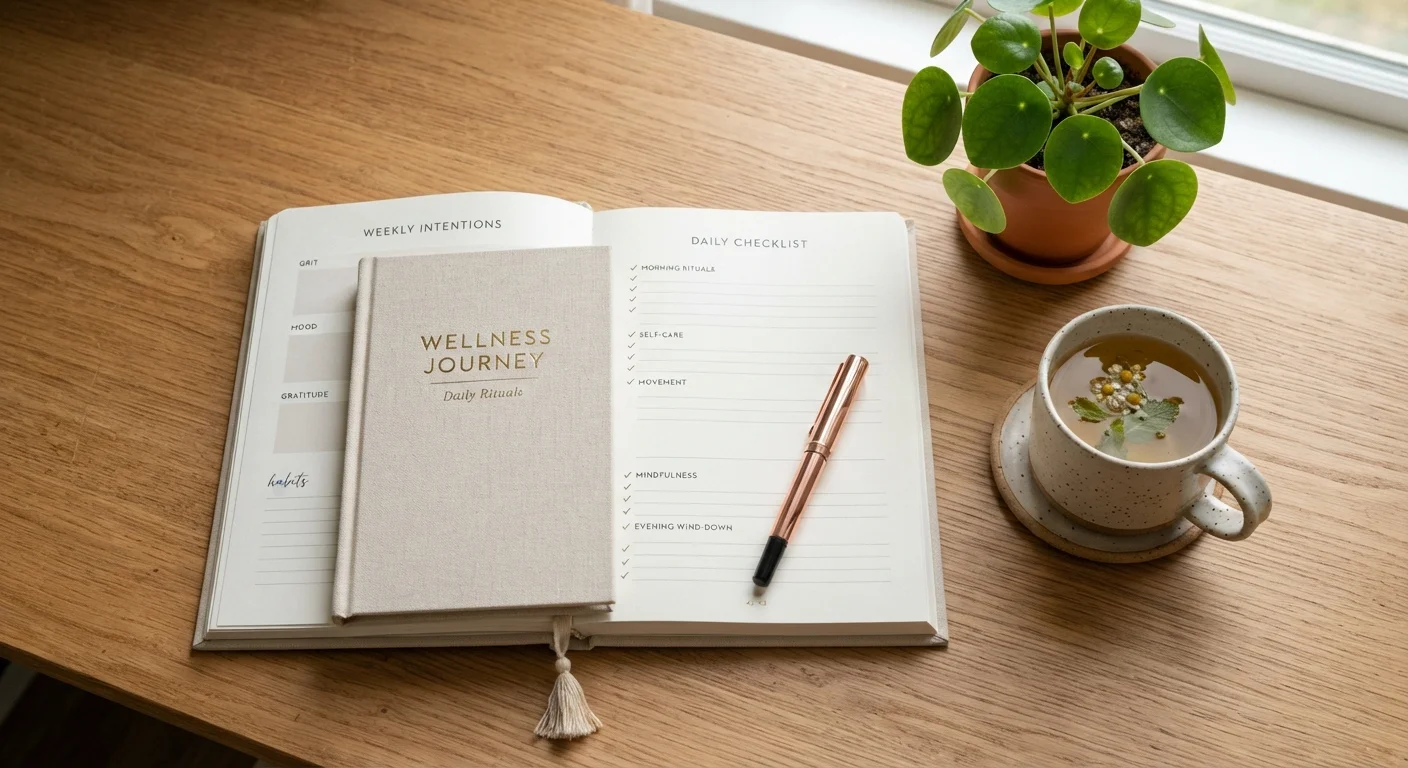
A simple journal or notes app
Jot down your honest answers each week so you can compare patterns over time.
A weekly meal planner template
Helps you see at a glance what food variety you're building in before the week starts.
A reusable water bottle
A visible hydration reminder that supports one of the checklist's core habit goals.
Your Weekly Eating Habits Checklist
Work through each group below. For each item, simply ask yourself: Did I generally do this most days this week? A "most days" standard - roughly four or more days out of seven - is a realistic and sustainable benchmark for everyday healthy eating habits.
Vegetables & Fruit
Whole Grains & Fiber
Protein & Balance
Hydration
Eating Patterns & Behaviors
Limiting Ultraprocessed Foods
If you want to go deeper on how different eating approaches compare - Mediterranean, plant-forward, and others - our guide on eating patterns that make nutritional sense is a helpful companion read.
How to Use What You Notice
After going through the checklist, you'll likely see a cluster of boxes you ticked confidently and a few where you hesitated. That hesitation is useful data - not a reason for self-criticism.
Pick one item from the groups where you felt least confident. Just one. Ask yourself what a small, realistic change might look like this coming week. Not an overhaul - a nudge. Swapping an afternoon snack, adding a vegetable to a meal you already make, or keeping a water bottle somewhere more visible.
Avoid Turning Reflection Into Restriction
A self-check like this is most useful when approached with curiosity rather than judgment. If you find yourself feeling anxious, guilty, or obsessive about food choices after using this checklist, that's worth paying attention to. Speak with a registered dietitian or healthcare provider who can offer personalized, supportive guidance - general checklists are not designed to address complex relationships with food.
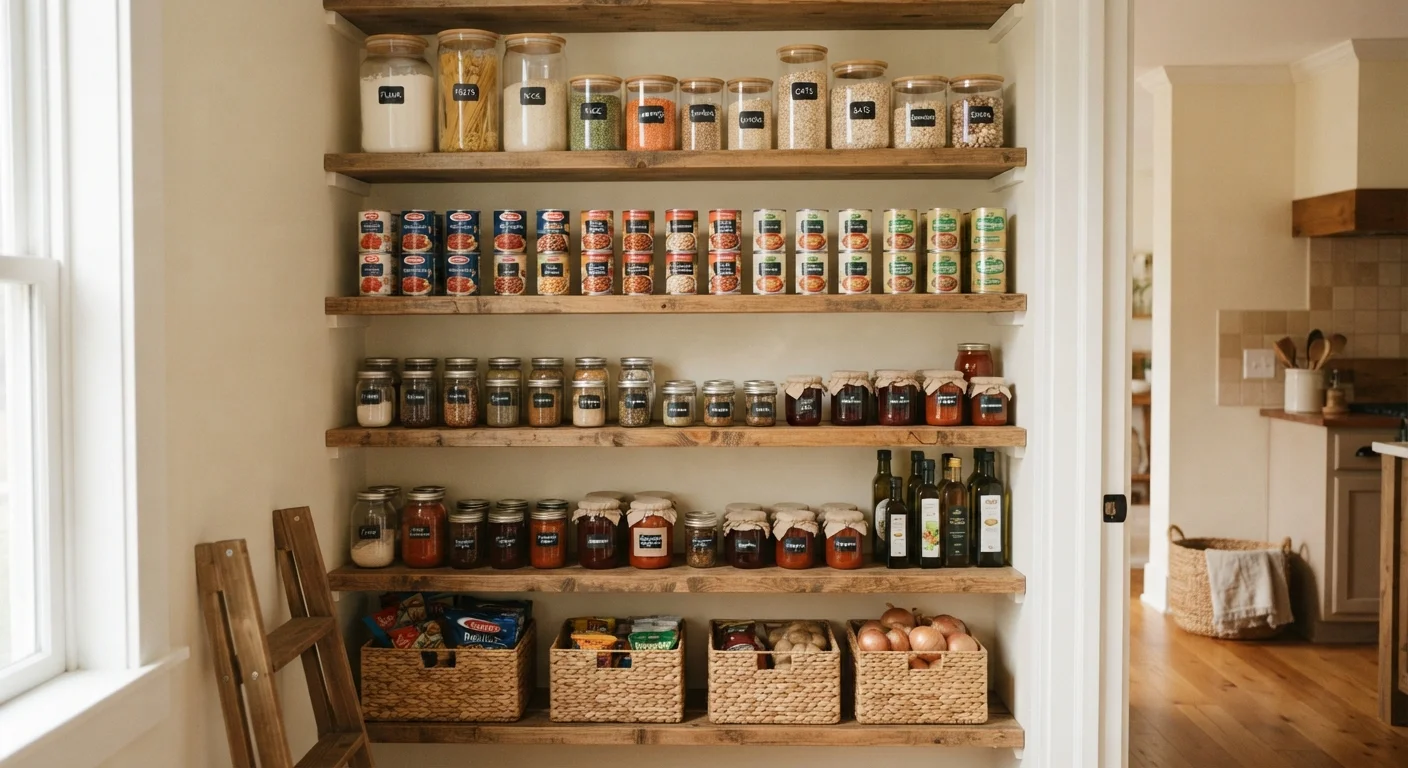
Also consider whether your grocery habits are supporting your intentions. Planning ahead and reducing food waste can make healthier eating feel less effortful - something our weekly pantry audit routine covers in practical detail.
This article is for general informational and educational purposes only and is not a substitute for personalized medical or dietary advice. Please consult a qualified healthcare professional or registered dietitian for guidance specific to your health needs.