
Good Intentions Aren't Enough on Their Own
Most people who struggle with eating well aren't lacking willpower or knowledge - they're caught in patterns that feel reasonable in the moment but quietly undermine what they're trying to build. Nutrition habits break down in predictable ways, and understanding those patterns is more useful than doubling down on restriction or discipline.
The mistakes covered below aren't about eating 'junk food' or obvious slip-ups. They're the subtler, well-intentioned behaviors that sound healthy but don't hold up under scrutiny. Recognizing them is the first step to something more durable.
If you're noticing broader habit-drift beyond eating, why healthy habits fall apart offers useful context on the patterns behind that too.
Skipping meals to 'save up' calories for later in the day.
Why it happens: It feels logical - eat less now, have more flexibility later. But most people underestimate how hunger compounds over hours.
Trusting 'health halo' foods without checking what's actually in them.
Why it happens: Words like 'natural,' 'organic,' or 'low-fat' on packaging feel reassuring, so most people stop reading the label there.
Eating too quickly and missing the body's fullness signals.
Why it happens: Busy schedules, distracted screen-time meals, and simple habit mean many people eat faster than their body can register satiety.
Chronically under-drinking water and mistaking thirst for hunger.
Why it happens: Thirst and mild hunger can feel similar, and most people simply don't think about hydration until they feel obviously thirsty - which is already a sign of mild dehydration.
Adopting an all-or-nothing mindset that treats one 'bad' meal as total failure.
Why it happens: Perfectionism is deeply embedded in how nutrition is often marketed - clean eating, strict plans, zero cheat days. One deviation can feel like the whole effort is ruined.
Building Something More Sustainable
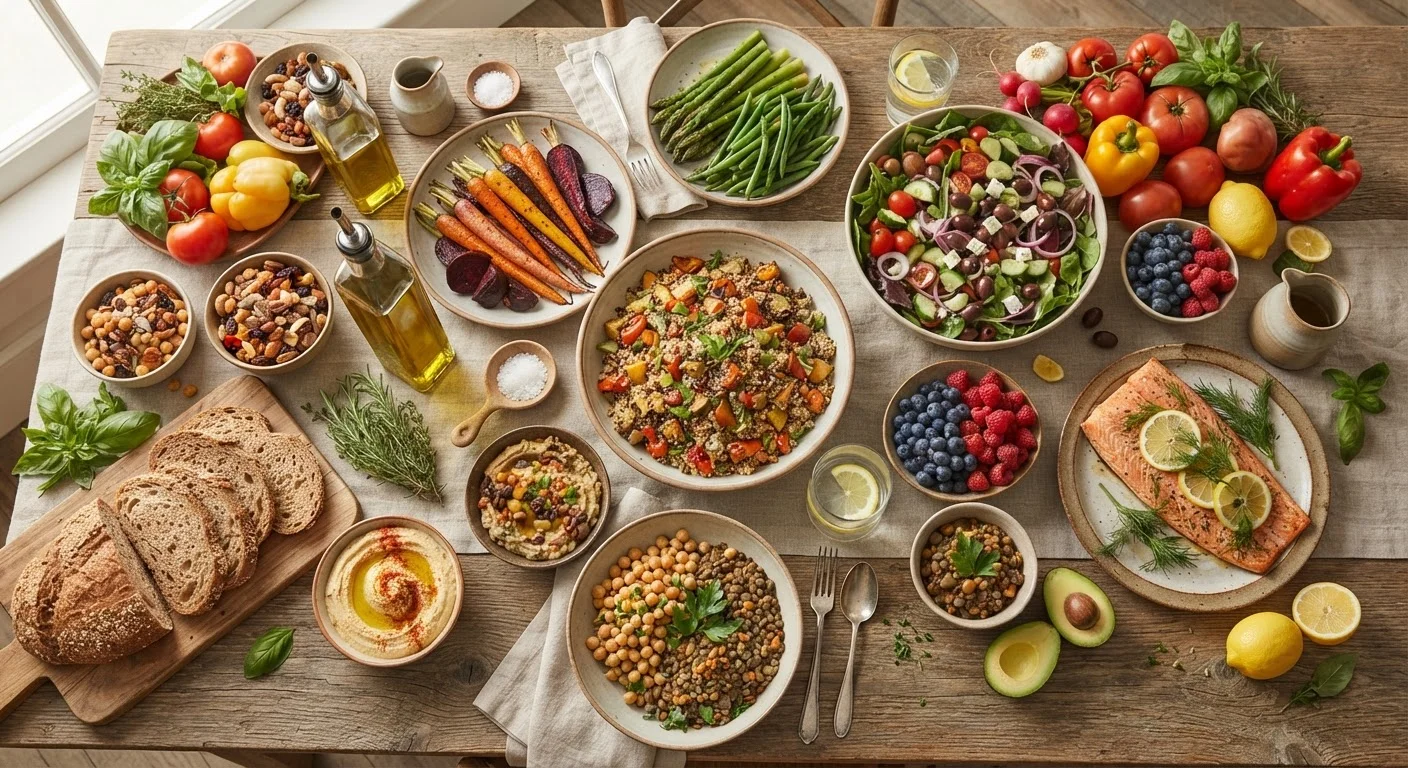
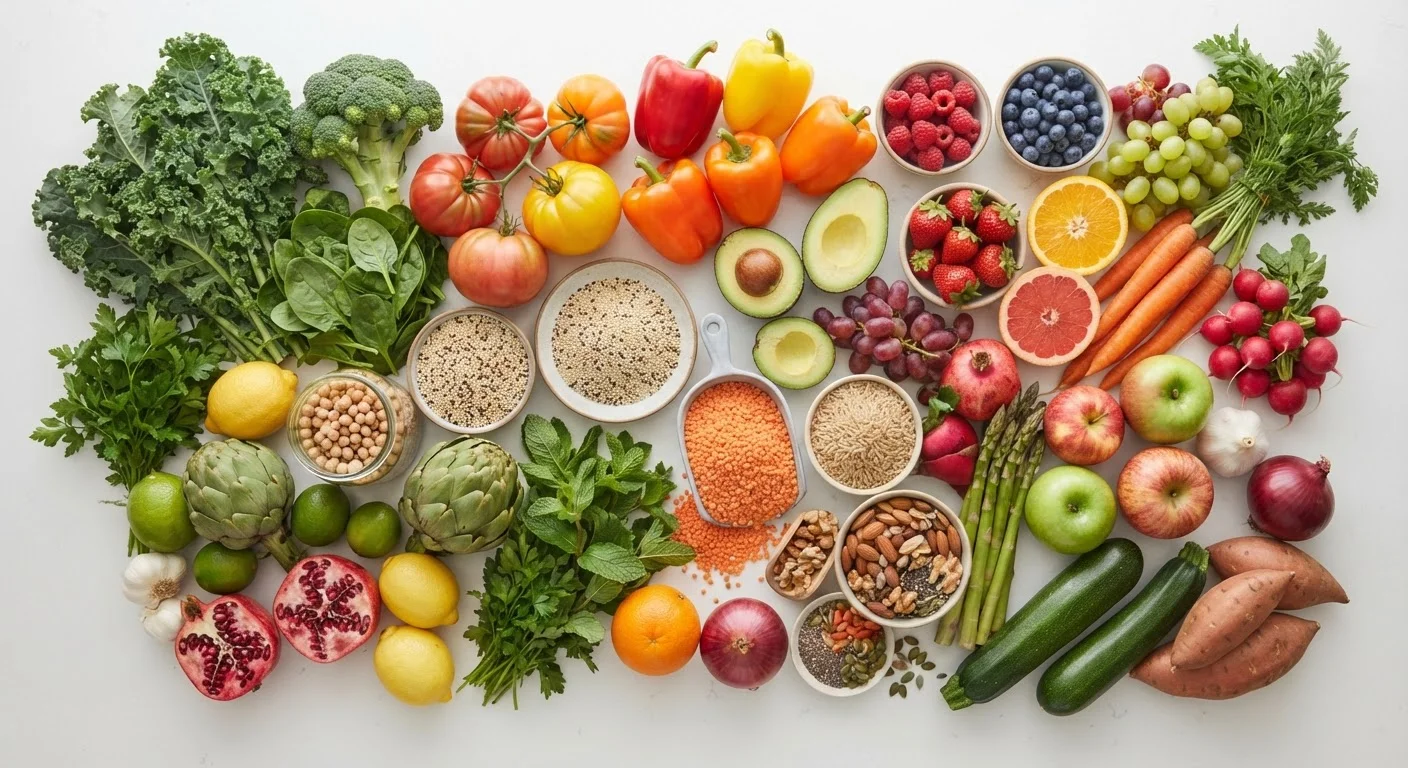
The thread running through most of these mistakes is the same: habits formed around rules and restriction tend to fracture, while habits built around understanding and flexibility tend to last. Nutrition science broadly supports eating varied, minimally processed foods at regular intervals - but the how you get there matters as much as the destination.
This Is Education, Not Medical Advice
The information in this article is intended for general educational purposes only. It is not a substitute for personalized guidance from a qualified healthcare provider or registered dietitian. If you have specific health concerns, dietary restrictions, or a diagnosed condition, please consult a professional before making significant changes to how you eat.
A helpful starting point is a weekly check-in with your own patterns - not to grade yourself, but to notice where the gaps are showing up. The weekly eating habits self-check is designed exactly for that kind of honest, low-pressure reflection.
Small course corrections, made consistently, are the foundation of nutritional change that actually sticks. If you notice these mistakes showing up in your own habits, that awareness is already progress.
This article is for general informational and educational purposes only and is not a substitute for personalized medical or nutritional advice. Please consult a qualified healthcare professional or registered dietitian for guidance specific to your health needs.