What Protein Actually Does - and Why Source Matters
Protein is one of the body's essential building blocks, involved in muscle repair, immune function, enzyme production, and more. But not all protein is created equal. The source of your protein affects two key things: its amino acid profile (the specific building blocks it contains) and its digestibility (how efficiently your body can use it).
Proteins are made up of amino acids. Nine of these are called essential amino acids - your body can't make them on its own, so they must come from food. A protein containing all nine in adequate amounts is called a complete protein. Understanding this distinction helps cut through a lot of nutrition confusion.
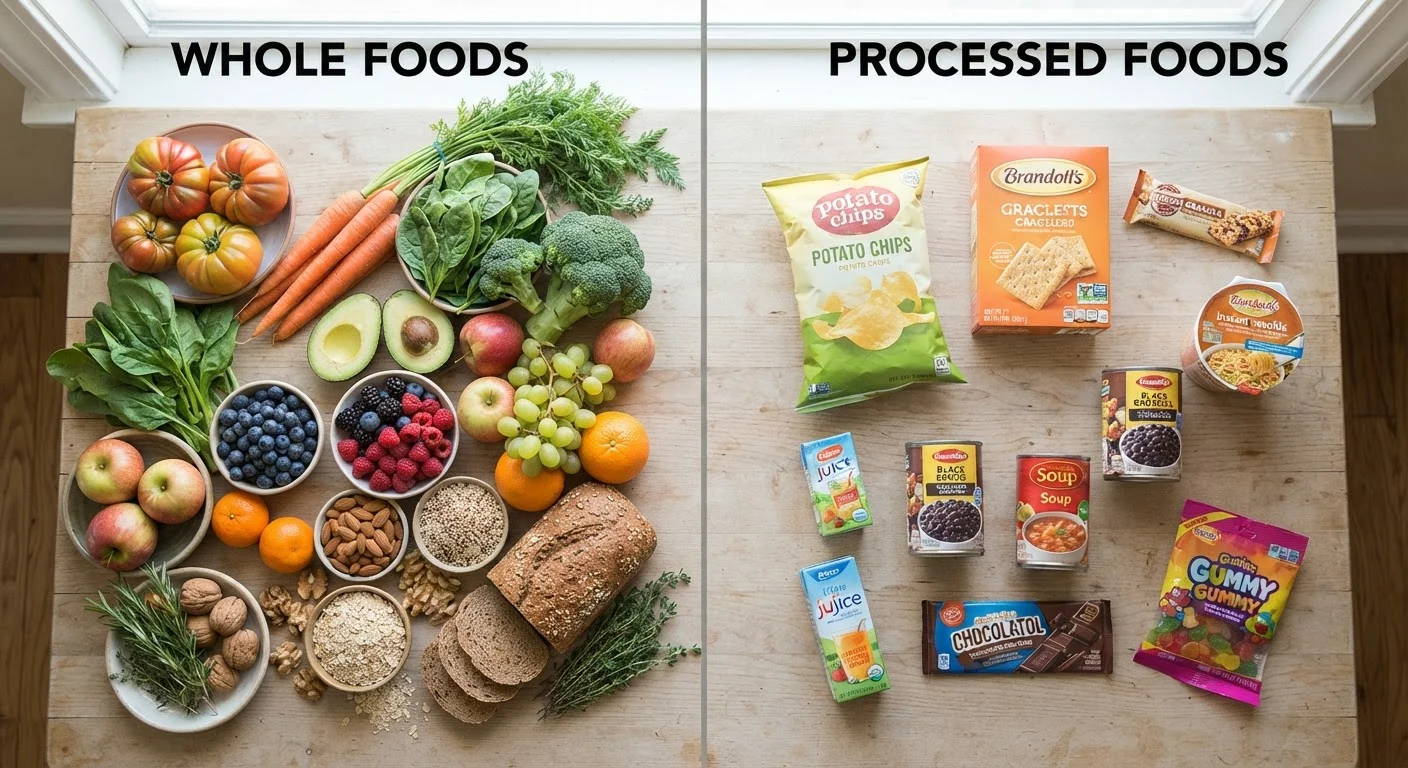
For a broader look at how food quality shapes your diet, see our piece on whole foods vs. processed foods.
You Don't Have to Choose Just One
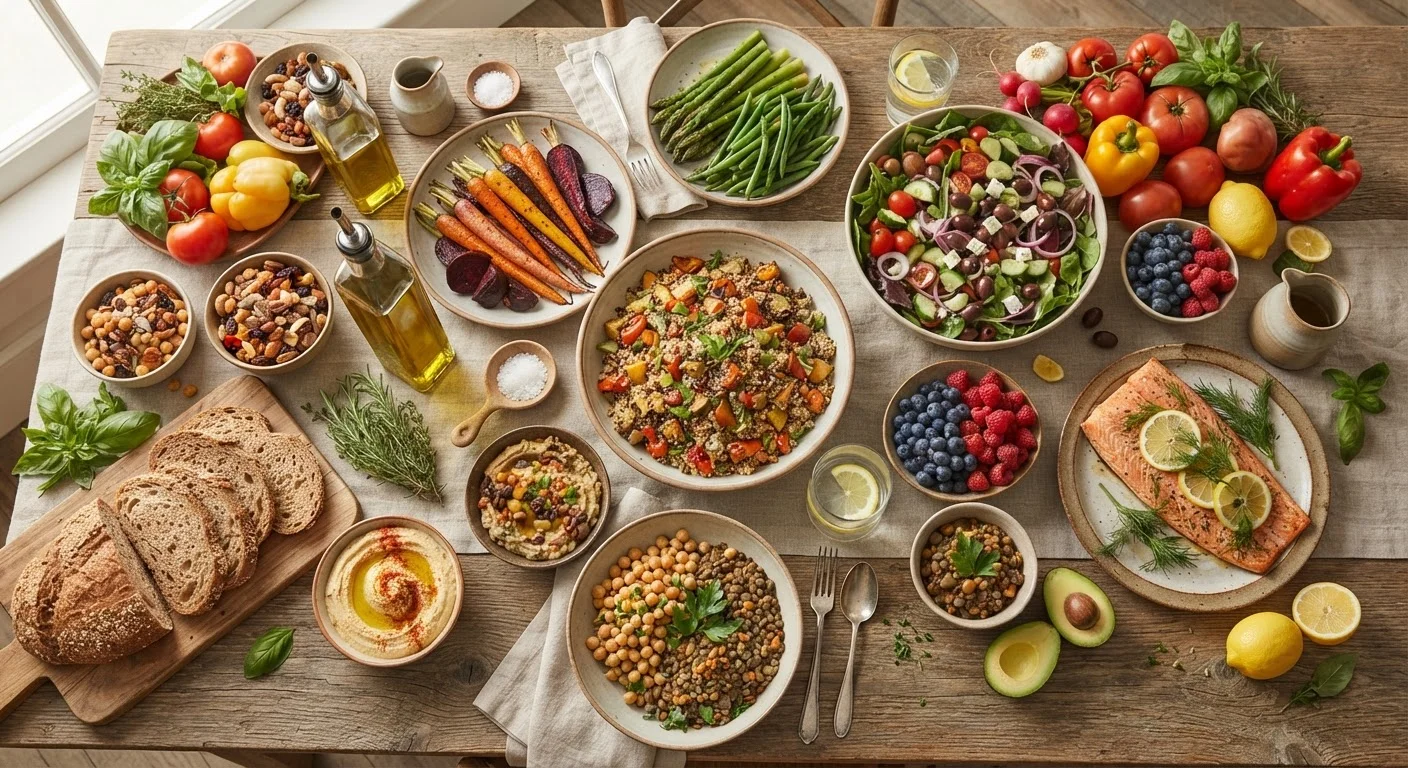
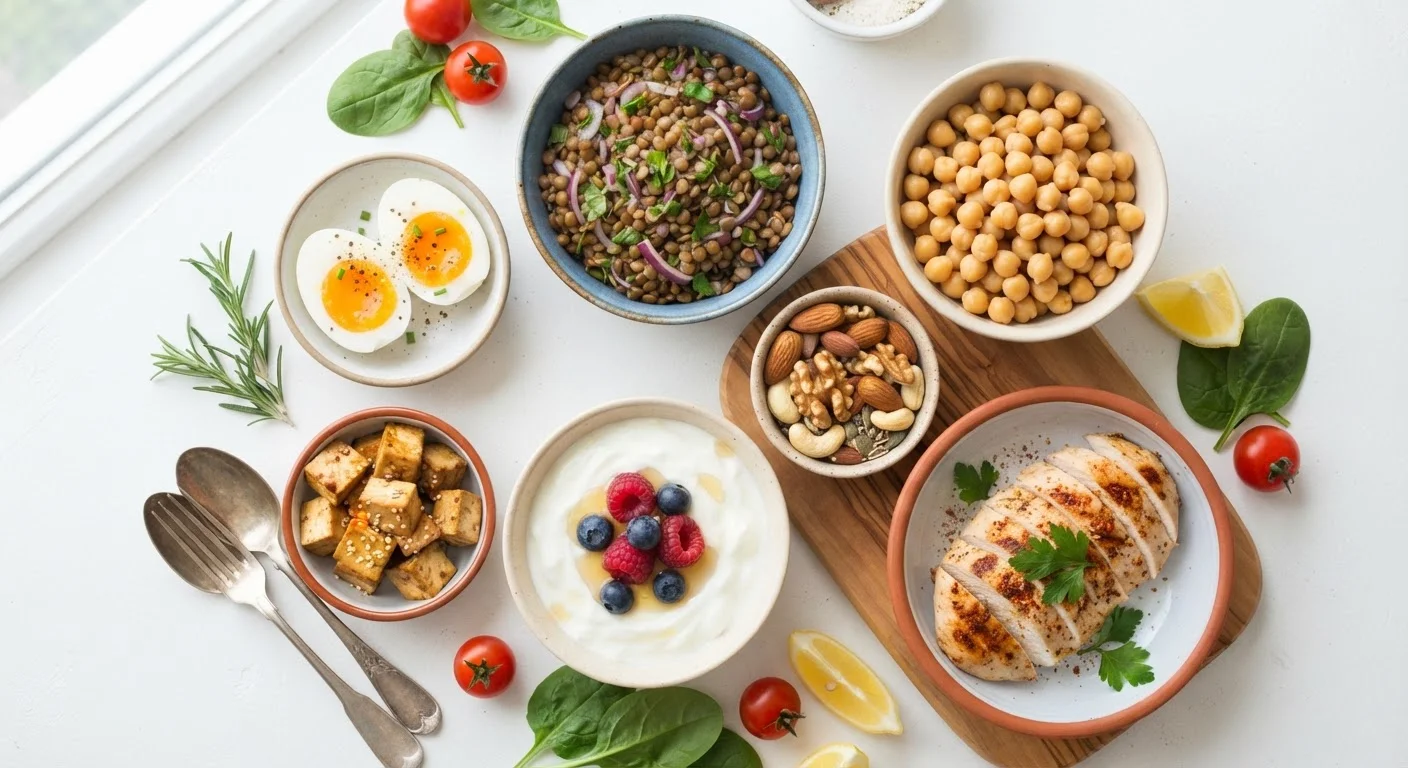
Many people find it easiest to meet their protein needs by drawing from several sources - eggs at breakfast, legumes at lunch, and fish or poultry at dinner, for example. This variety approach tends to also cover a wider range of vitamins and minerals. There's no need to make protein an all-or-nothing decision.
Animal Proteins: Meat, Fish, Eggs, and Dairy
Animal-based proteins - including beef, poultry, fish, eggs, and dairy products like Greek yogurt and cottage cheese - are almost universally complete proteins. They tend to score high on PDCAAS (Protein Digestibility-Corrected Amino Acid Score), a measure used by nutrition scientists to assess protein quality.
Fish and poultry generally deliver protein with less saturated fat than red meat. Eggs are widely regarded as a highly bioavailable protein source. Dairy options like yogurt and cheese also contribute calcium and other micronutrients alongside their protein content.
The trade-offs: higher intake of certain red and processed meats has been associated in observational studies with increased risk of some chronic conditions, though the overall dietary pattern matters enormously. Animal products also typically contain no dietary fiber and can be higher in saturated fat.
| Animal Proteins | Soy Proteins | Legumes & Beans | Grains & Seeds | |
|---|---|---|---|---|
| Complete protein? | Yes | Yes | No (varied combinations help) | Usually no |
| Digestibility | High | High | Moderate (improved by cooking) | Moderate |
| Fiber content | None | Present (especially edamame) | High | Moderate to high |
| Saturated fat | Varies (lower in fish/poultry) | Low | Very low | Low |
| Common examples | Beef, chicken, fish, eggs, dairy | Tofu, tempeh, edamame | Lentils, chickpeas, black beans | Quinoa, hemp seeds, pumpkin seeds |
| Suits plant-based diets? | No | Yes | Yes | Yes |
Plant Proteins: Legumes, Soy, Grains, Nuts, and Seeds
Plant-based protein sources include lentils, chickpeas, black beans, tofu, tempeh, edamame, quinoa, hemp seeds, and peanuts, among others. Most plant proteins are considered incomplete - they're lower in one or more essential amino acids. However, this doesn't mean plant-based eaters can't meet their protein needs.
Eating a variety of plant proteins throughout the day covers all essential amino acids without requiring precise meal-by-meal combining. For example, rice and beans together provide a complementary amino acid profile. Soy is a notable exception - it's a complete plant protein and is among the most studied in nutrition science.
Plant proteins come bundled with fiber, phytonutrients, and generally lower saturated fat. The digestibility of some plant proteins is slightly lower than animal sources, partly due to compounds like phytates - though cooking, soaking, and fermentation (as with tempeh) can improve absorption.
Curious how these proteins fit into broader eating patterns? Our article on eating patterns that make nutritional sense explores several well-studied dietary approaches.
Middle-Ground Sources: Eggs, Dairy, and Emerging Options
Some protein sources don't fit neatly into either camp. Eggs and dairy are animal-derived but often consumed by people who otherwise eat plant-forward diets (think lacto-ovo vegetarians). Both deliver complete protein with strong digestibility scores.
Newer options like pea protein, mycoprotein (derived from fungi), and insect-based proteins are gaining research attention. Pea protein, for instance, has a reasonably strong amino acid profile and is used widely in protein powders and fortified foods. These emerging sources don't yet have the depth of long-term research that traditional foods have, so they're worth watching but not treating as proven equivalents.
~0.8g/kg
General daily protein reference intake for adults
The Recommended Dietary Allowance (RDA) for protein, per the National Academies of Sciences, is approximately 0.8 grams per kilogram of body weight for sedentary healthy adults - individual needs vary.
~20%
Share of global protein from plant sources
According to the Food and Agriculture Organization (FAO), plant-based foods account for a substantial and growing portion of dietary protein consumed worldwide.
1.0 PDCAAS
Protein quality score for eggs and soy
Both eggs and soy protein achieve the maximum score of 1.0 on the Protein Digestibility-Corrected Amino Acid Score scale, indicating high-quality, complete proteins.
How to Think About Protein for Your Own Diet
There's no one-size-fits-all answer. The right protein sources for you depend on your health status, dietary preferences, any allergies or intolerances, ethical considerations, and what you simply enjoy eating. Most general dietary guidelines from health organizations suggest that a varied diet - drawing from both plant and animal sources, or thoughtfully from plants alone - can support adequate protein intake for most healthy adults.
If you follow a fully plant-based diet, paying attention to total protein variety and considering foods like edamame, tofu, or lentils regularly is helpful. If you eat animal products, incorporating more fish and legumes alongside meat and dairy tends to be a well-rounded approach.
This is general nutrition information, not a substitute for personalized guidance. A registered dietitian can help you assess your specific needs - especially if you have a chronic condition, are pregnant, are an older adult, or are an athlete with higher protein demands.
This article is for general informational and educational purposes only and is not a substitute for professional medical or dietary advice. Always consult a qualified healthcare provider or registered dietitian for guidance specific to your health needs.