
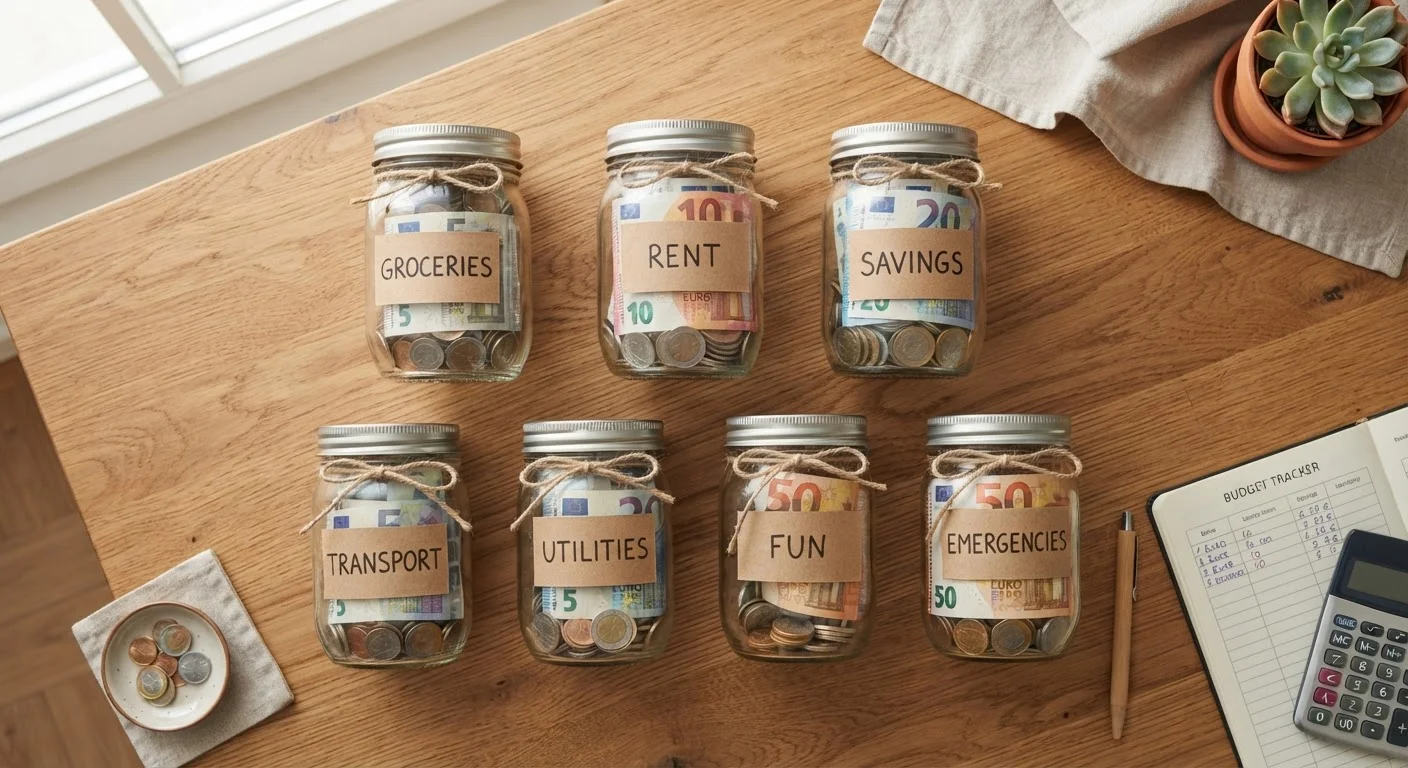
What a Sinking Fund Actually Is
A sinking fund is a savings method where you set aside a small, fixed amount each month toward a specific future expense. When that expense arrives, the money is already there - no scrambling, no credit card charges, no guilt.
The name sounds technical, but the idea is simple. Instead of letting predictable costs sneak up on your budget, you break them into small, manageable chunks and save for them in advance.
Think of it like layaway for your own future bills. You're not borrowing - you're pre-paying yourself.
Sinking Funds and Emergency Funds Are Different
A sinking fund is for costs you can see coming - a car registration, a vacation, holiday spending. An emergency fund covers genuine financial surprises like a job loss or unexpected medical bill. Both matter, but they serve different purposes. If you haven't built your emergency fund yet, see why one month's savings isn't enough for a solid starting point.
Sinking funds are especially useful for expenses that don't fit neatly into a monthly budget: car maintenance, annual insurance premiums, home repairs, school supplies, holiday gifts, or travel. These aren't emergencies - they're knowable costs that most people simply forget to plan for. The result? A blown budget and a bad month. Sinking funds fix that pattern before it starts.
If you're noticing that certain spending patterns keep derailing your savings, it's worth reading about spending habits that quietly undermine long-term saving goals - sinking funds directly counter several of the most common ones.
How to Set Up Your Sinking Funds
Setting up a sinking fund takes less than 30 minutes the first time. The steps below walk you through the full process - from identifying which expenses to target to automating your contributions so the system runs itself.
What you will need
Separate savings account
Keeps sinking fund money physically apart from your spending money so it isn't accidentally used.
Spreadsheet or budgeting app
Tracks each fund's target amount, monthly contribution, and current balance in one place.
Automatic bank transfer
Moves money into your sinking fund on payday without requiring manual action each month.
List every predictable irregular expense
Go through the past year of bank and credit card statements and write down every expense that wasn't a regular monthly bill - things like car registration, annual insurance premiums, holiday gifts, back-to-school supplies, or a yearly subscription renewal. Include the approximate amount you spent on each.
These are the expenses that feel like surprises but actually aren't - you knew they were coming, just not exactly when you'd have the cash.
Set a savings target and deadline for each expense
For each item on your list, write down: (1) how much you'll likely need, and (2) when you'll need it. Use past spending as a baseline - it doesn't have to be exact. A reasonable estimate is far better than no plan at all.
For example: Car registration - $280, due in 9 months. That single line tells you everything you need to build a contribution plan.
Calculate your monthly contribution
Divide each target amount by the number of months until you need it. Using the example above: $280 ÷ 9 months = about $31 per month. That's all it takes to have the full amount ready when the bill arrives.
Do this for every expense on your list, then add the monthly contributions together to find your total monthly sinking fund commitment.
Open a dedicated savings account (or create sub-accounts)
Move sinking fund money into a separate account from your everyday checking account. Many banks and credit unions allow you to open multiple savings accounts or create named sub-accounts - one labeled "Car Costs," another "Holiday Gifts," and so on. This keeps the money earmarked and reduces the temptation to spend it on something else.
If your bank doesn't offer sub-accounts, a single savings account with a running spreadsheet works nearly as well.
Automate your contributions
Set up an automatic transfer from your checking account to your sinking fund account on or just after each payday. Automating the transfer means you're paying future-you before you have a chance to spend the money elsewhere.
This is one of the core habits that separates consistent savers from those who intend to save but rarely do. For more on that mindset shift, see the habits behind consistent savers.
Use the fund when the expense arrives - then replenish
When the expense comes due, withdraw from the sinking fund and pay it without touching your regular budget or reaching for credit. That's the whole point - this money was already set aside for exactly this moment.
After paying, reset the contribution plan for that fund so it's ready for next year. If the cost was higher than expected, adjust the monthly contribution upward going forward.
Don't Mistake a Sinking Fund for Spare Cash
Once money is assigned to a sinking fund, treat it as already spent. Dipping into it for unrelated purchases defeats the purpose and leaves you scrambling when the actual expense arrives. Label your accounts clearly and check balances regularly to stay accountable.
Once your sinking funds are running, they slot naturally into a broader budgeting approach. If you'd like to build a more complete framework, the guide on building a budget around an emergency fund covers how to layer these savings strategies together from the start.
Sinking funds are also a core part of the bigger picture covered in stretching your budget further - a full walkthrough of practical day-to-day money saving strategies.
This article is for general informational and educational purposes only and does not constitute personalized financial advice. Consult a qualified financial professional for guidance specific to your situation.