The Basic Logic Behind the System
Most budgets fail not because people don't understand them, but because nothing stops the spending. You know your grocery budget is $300, but your debit card doesn't care - it lets you spend $380 without a word. The envelope method solves this by making the limit physical. When the cash is gone, it's gone.
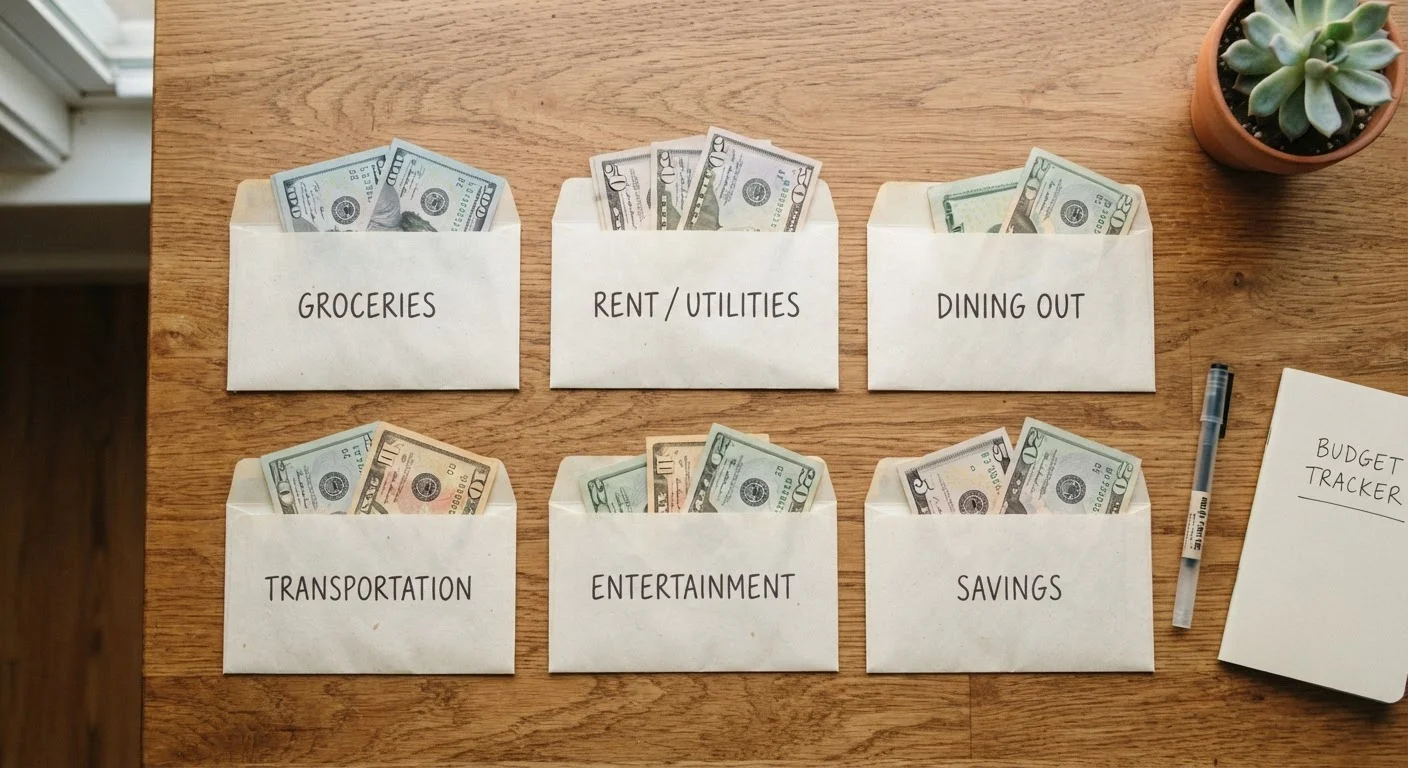
Here's how it works in practice: at the start of each pay period, you withdraw your budgeted cash and divide it into labeled envelopes. Common categories include groceries, gas, dining out, clothing, household supplies, and personal spending. Bills that are fixed and paid electronically - rent, utilities, insurance - stay in your bank account as usual. Envelopes are for the variable, discretionary spending that tends to creep over budget.
Before you set up your first envelopes, it helps to get clear on your spending categories. This guide on spending categories explains how to group your expenses in a way that's actually manageable.
Start With Just Two or Three Envelopes
You don't need to categorize every dollar on day one. Pick the two or three spending areas where you most often go over - groceries and dining out are the most common culprits. Once those feel manageable, you can add more categories gradually. Starting small makes the habit stick.
Setting Up Your Envelopes Step by Step
The setup process is straightforward, but getting the dollar amounts right takes a little groundwork.
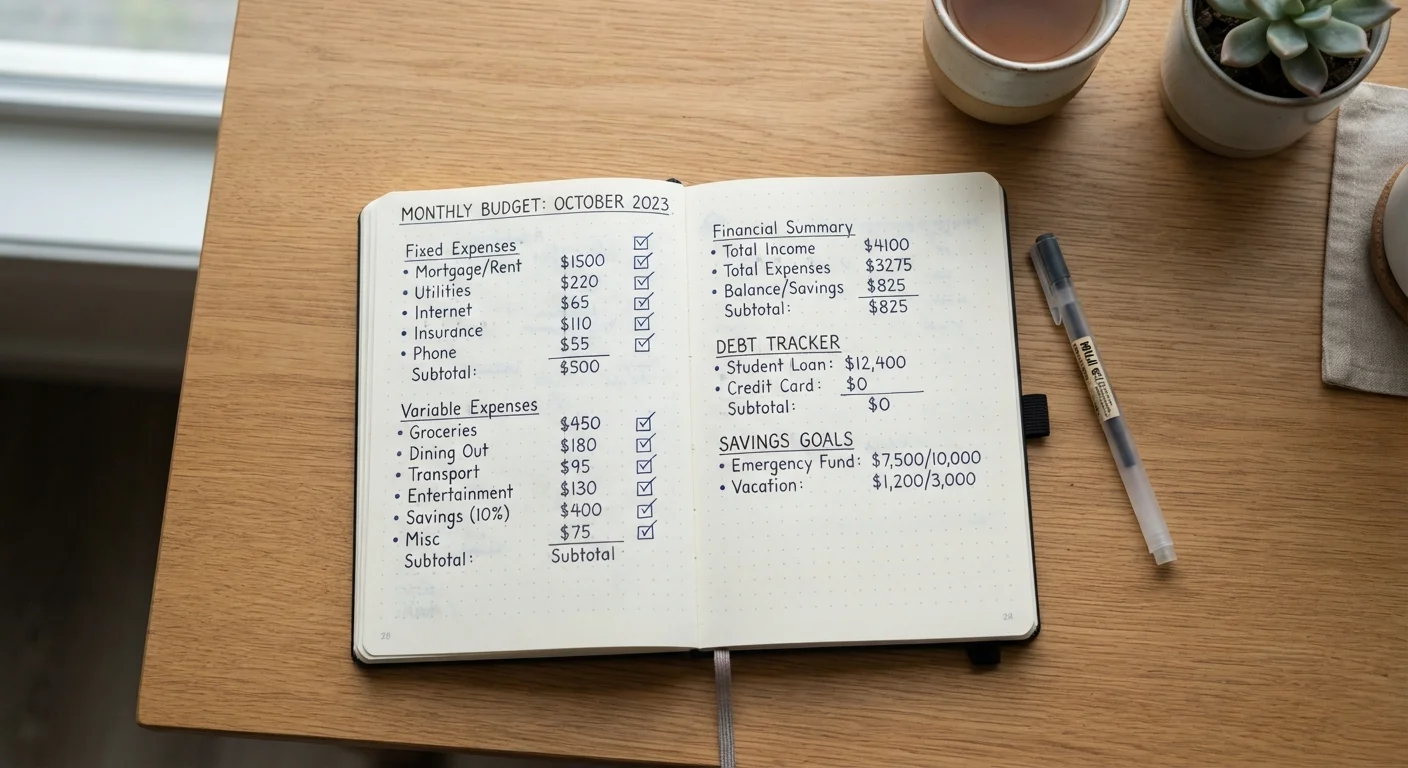
- Review last month's spending. Pull up your bank or card statements and total up what you actually spent in each variable category. This gives you a realistic starting point rather than an optimistic guess.
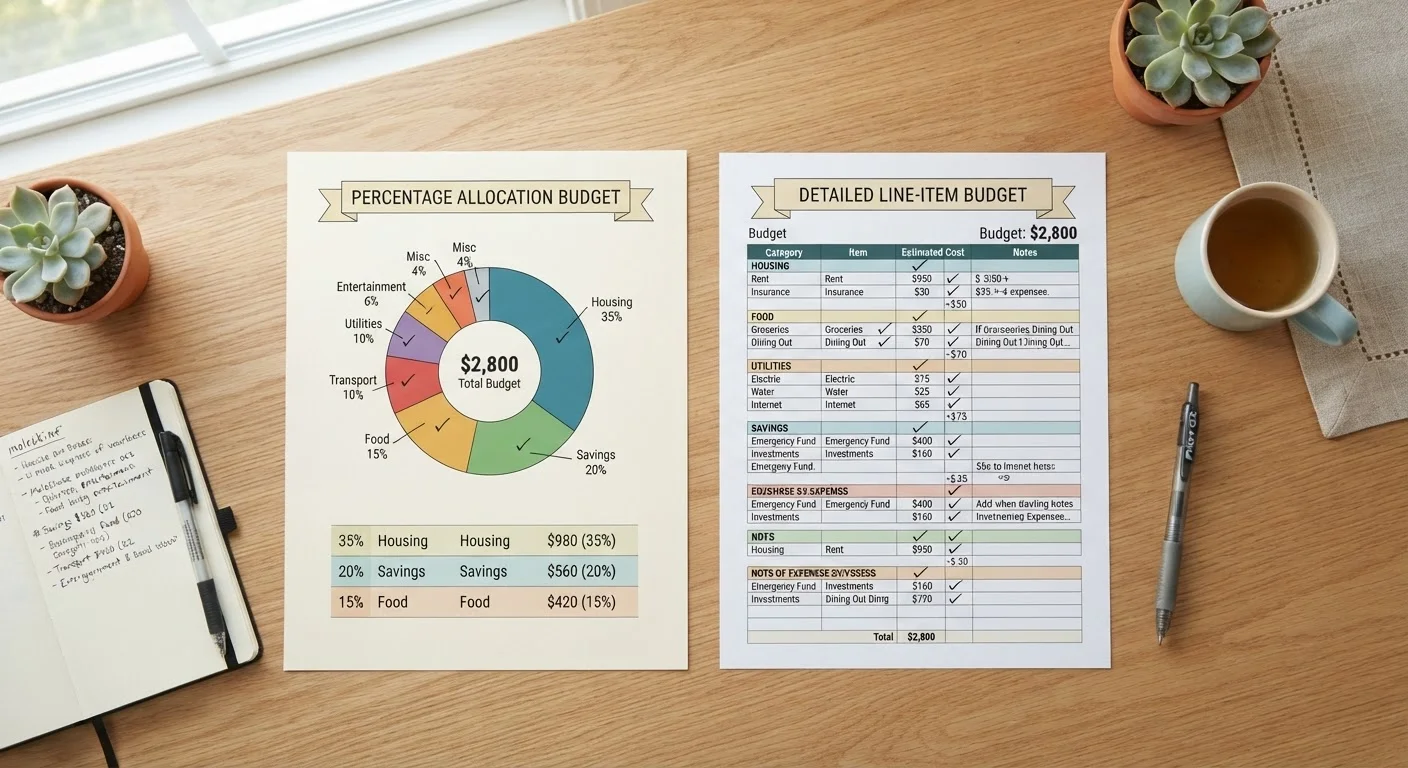
- Decide on your category amounts. Based on your take-home pay and fixed expenses, decide how much each envelope gets. Make sure the total doesn't exceed your monthly income after fixed bills are paid.
- Withdraw cash and fill the envelopes. Label each envelope clearly. Some people do this weekly, others twice a month - match your cash withdrawal schedule to your pay frequency.
- Spend only from the envelope. When you go grocery shopping, take the grocery envelope. Pay cash and put the change back in. Check the remaining balance before your next trip.
- Review and adjust at month's end. Look at which envelopes ran dry early and which had leftover cash. Shift the amounts next month to better reflect your real habits.
If you're unfamiliar with terms like discretionary income or net pay, the budgeting terms reference is a useful starting point before you begin.
~33%
Americans with a written monthly budget
Gallup polling has historically found that only about one-third of U.S. households follow a detailed monthly budget, suggesting most people lack a structured spending plan.
1 in 3
Adults who overspend their budget monthly
Consumer finance surveys consistently show that overspending on discretionary categories like food and entertainment is among the most common reasons budgets fail.
Who the Envelope Method Tends to Help Most
The envelope method isn't a fit for everyone, but it's particularly effective for a few types of people.
Overspenders in specific categories. If you regularly blow your dining-out or clothing budget but do fine elsewhere, you don't need to overhaul your entire financial system - just use an envelope for the problem areas.
Visual and tactile learners. Some people genuinely track better when money is physical. Seeing a thin stack of bills is more motivating than reading a number on a screen.
People new to budgeting. The system requires no apps, spreadsheets, or financial knowledge. If you've never budgeted before, the simplicity makes it easy to start today.
It's less useful if most of your spending happens online or through subscriptions, or if your income varies significantly week to week. In those cases, a more flexible framework might serve you better. The 50/30/20 rule and zero-based budgeting are two alternatives worth understanding if the envelope method feels like a poor fit for your lifestyle.
Adapting the System for Modern Spending
Cash-only spending can be inconvenient in a world built around cards and contactless payments. The good news is that the core principle - allocating a fixed amount to each category before you spend - translates cleanly to digital tools.
Several apps apply envelope logic to bank accounts, letting you divide a paycheck into virtual buckets and track each one independently. You get the psychological benefit of a hard limit without carrying cash. This comparison of paper vs. app budgeting walks through the real trade-offs if you're weighing both options.
A hybrid approach also works for many people: use physical envelopes for categories like groceries and dining out - where you're most likely to overspend - and manage everything else digitally. The goal isn't to follow the method exactly as written; it's to build a habit of spending intentionally within limits you've set in advance.
What to Do With Leftover Envelope Cash
When you have money left in an envelope at the end of the month, you have a few reasonable options: roll it over to the same envelope next month, move it to savings, or use it to pay down debt. Whichever you choose, be consistent so the decision becomes part of your system rather than a temptation to spend freely.
This article is for general informational purposes only and does not constitute personalized financial advice. Consider speaking with a qualified financial professional about your specific situation.