Where the Number Comes From
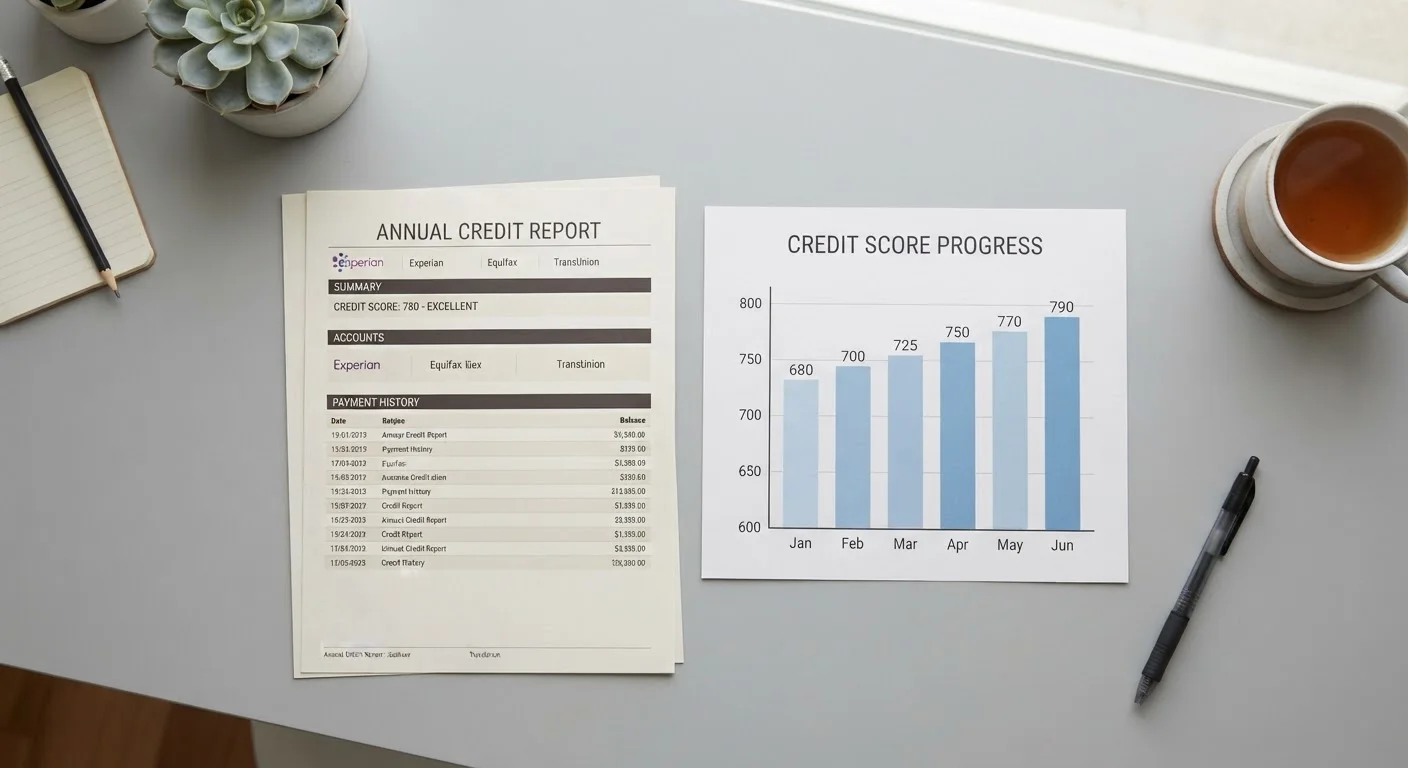
Your credit score doesn't come from a government database or your bank. It's calculated by a private scoring company - most commonly FICO or VantageScore - using the information sitting in your credit report. That report is maintained by one of the three major credit bureaus: Equifax, Experian, and TransUnion.
Think of the credit bureau as a record-keeper and the scoring company as a translator. The bureau collects raw data - your account balances, payment history, how long you've had each account - and the scoring model turns all of that into a single number a lender can read at a glance.
Because each bureau may hold slightly different data, your score can vary a few points depending on which bureau a lender pulls from. That's normal and not a cause for concern. To understand the full picture behind that number, it helps to read your credit report alongside your score.
Your Score Can Vary by Bureau
Because Equifax, Experian, and TransUnion each collect data independently, they may not have identical information on file for you. This means your score can differ slightly from bureau to bureau at any given time. Lenders may pull one, two, or all three reports when evaluating an application.
What the Range Actually Means
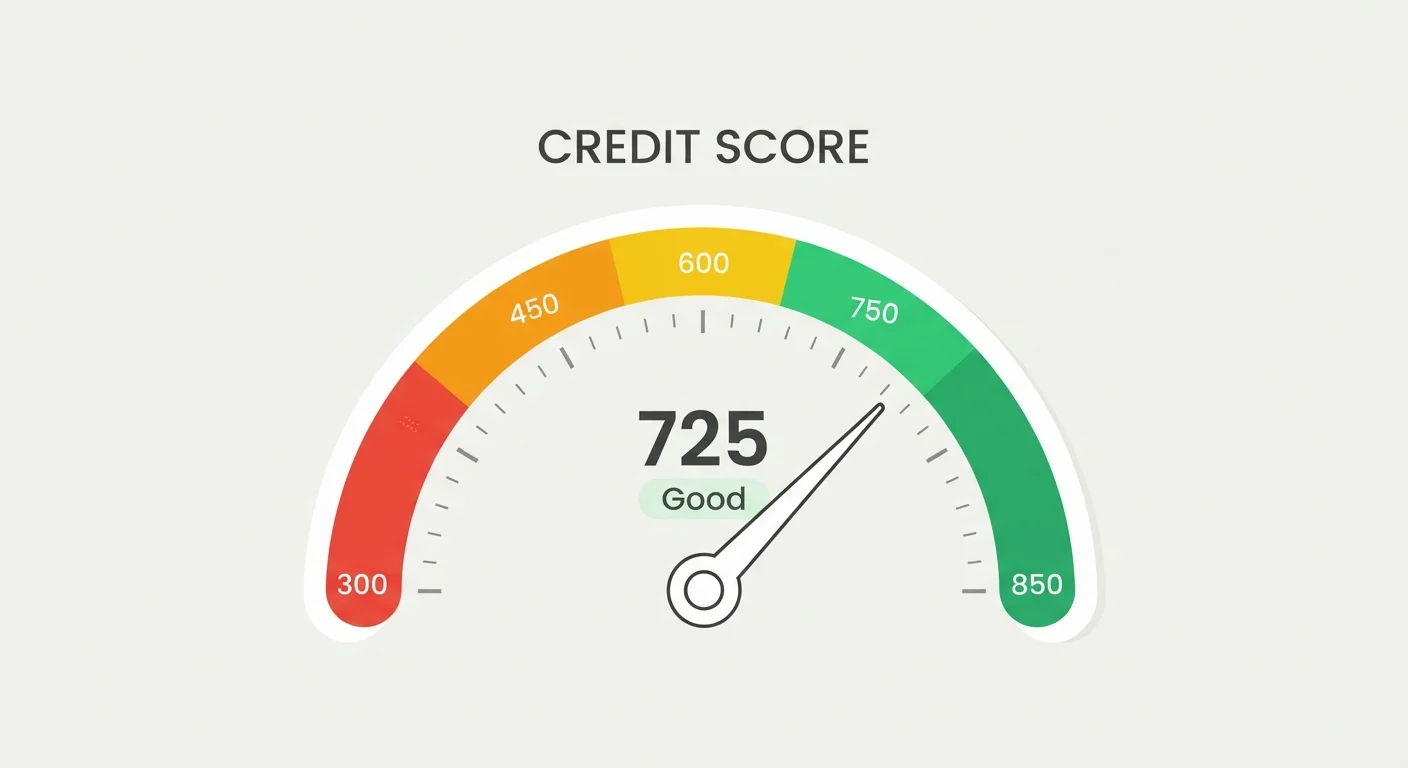
The standard FICO scale runs from 300 to 850. Here's a plain-language breakdown of what the ranges generally signal to lenders:
- 300-579 (Poor): Approvals are difficult; loans that do come through often carry high interest rates.
- 580-669 (Fair): Some lenders will work with you, but terms may not be favorable.
- 670-739 (Good): You'll qualify for most standard credit products at reasonable rates.
- 740-799 (Very Good): Lenders see you as low-risk; better rates become available.
- 800-850 (Exceptional): You're likely to receive the most competitive rates and terms offered.
These thresholds aren't universal - each lender decides its own cutoffs - but the pattern holds broadly across the industry. A higher score gives you more options and, importantly, costs you less over time in interest.
716
Average US FICO Score
According to FICO's published data, the average American credit score has generally hovered around 716 in recent years, which falls in the 'good' range.
~26%
Americans with scores below 670
Data from the Consumer Financial Protection Bureau indicates roughly a quarter of US consumers have scores in the fair or poor range, limiting their access to standard credit products.
35%
Weight of payment history in FICO score
Payment history is the single largest factor in the FICO scoring model, making on-time payments the most impactful habit for building or protecting your score.
Why Lenders Care So Much
When a lender hands you money, they're making a bet that you'll pay it back. Your credit score is their fastest tool for sizing up that bet. A strong score tells them you have a track record of paying on time and managing debt responsibly. A weak score flags that there may be risk involved - and they'll price for that risk through higher interest rates or stricter terms.
This matters beyond loans. Landlords use credit scores to screen rental applications. Some employers in certain industries check credit as part of background screening. Insurance companies in many states factor credit-based insurance scores into premium calculations. The number reaches further into everyday life than most people expect.
“A credit score is essentially a summary of your financial reputation - it tells a lender in seconds what would otherwise take days of paperwork to assess.”
— Consumer Financial Protection Bureau, US federal agency overseeing consumer financial products and services
The Five Factors Behind Your Score
Scoring models don't pull numbers out of thin air. FICO, for example, weighs five categories of information:
- Payment history (~35%): Whether you've paid bills on time. This is the biggest slice.
- Amounts owed (~30%): How much of your available credit you're using - your credit utilization ratio.
- Length of credit history (~15%): How long your accounts have been open.
- Credit mix (~10%): Whether you have a variety of account types (credit cards, installment loans, etc.).
- New credit (~10%): Recent applications for new credit accounts.
Missing a payment hurts more than almost anything else you can do, and paying on time consistently is the most reliable way to build or protect your score. For a deeper look at what actually moves the needle, see what moves your credit score up or down.
Start With Payment History
If you're working to improve your score, paying every bill on time every month is the highest-impact habit you can build. Even if you can only make the minimum payment, on-time payments protect your score far better than paying more but occasionally missing a due date. Setting up autopay for at least the minimum amount is a simple safeguard.
Getting Started: Check Your Score Without Fear
Many people avoid checking their credit score because they're worried it will hurt them. It won't - checking your own score is always a soft inquiry, which has zero effect on the number itself.
You're entitled to free weekly credit reports from each of the three major bureaus at AnnualCreditReport.com, the only federally authorized source. Many banks and credit card issuers also display your score directly in their apps or online portals, often for free.
Once you know your score, you have a baseline to work from. If you're starting from scratch or rebuilding after setbacks, the end-to-end guide to debt and credit lays out the full path forward. And if you've heard things about credit that don't quite add up, common credit score myths covers what the evidence actually shows.
This article is for general informational and educational purposes only and does not constitute personalized financial advice. For guidance specific to your situation, consider consulting a licensed financial professional.