
What Is a Credit Report - and Why Does It Matter?
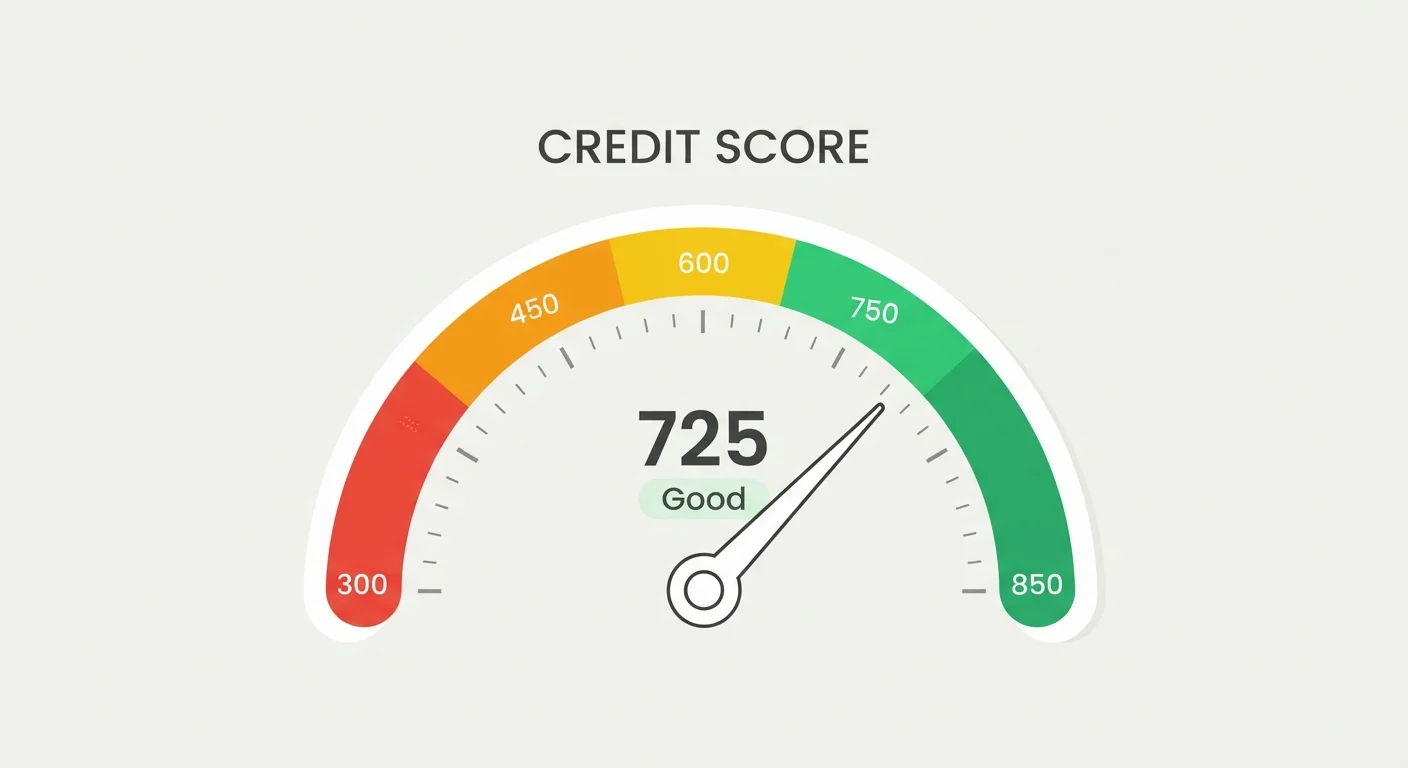
A credit report is a detailed record of how you've managed borrowed money. Lenders, landlords, and sometimes employers use it to evaluate your reliability. Your credit score is calculated directly from the data inside this report, so errors or misunderstandings here ripple outward into your financial life.
Three major bureaus - Equifax, Experian, and TransUnion - each maintain their own version of your report. The data often overlaps but isn't always identical, which is why reviewing all three matters. If you're new to these concepts, the basics of debt and credit are a good place to start before diving into your report.
What you will need
The Five Sections of Your Report
Every credit report follows the same general structure. Here's what each section contains and what to look for.
1. Personal Information
This section lists your name, current and past addresses, date of birth, Social Security number (partially masked), and employers. It doesn't affect your score, but check it for accuracy. A wrong address or a misspelled name variant can sometimes signal mixed files - where another person's data has been blended into your report.
2. Account History (Trade Lines)
This is the largest and most important section. Each credit account - credit cards, auto loans, student loans, mortgages - appears as its own entry called a trade line. For each account, you'll see the creditor's name, account type, date opened, credit limit or loan amount, current balance, and payment history month by month.
Payment history is the single largest factor in your score, so scan each trade line carefully. A 30-day late payment marker can drop your score significantly and stays on your report for seven years from the date it occurred.
3. Inquiries
When someone pulls your credit, it's recorded as an inquiry. Hard inquiries happen when you apply for credit (a loan, a card) and can slightly lower your score temporarily. Soft inquiries - like checking your own report or pre-approval screenings - don't affect your score at all. An unfamiliar hard inquiry could be a sign of fraud worth investigating.
4. Public Records
Bankruptcies appear here. A Chapter 7 bankruptcy stays on your report for ten years; a Chapter 13 stays for seven. This section used to include civil judgments and tax liens, but the bureaus removed most of those in recent years.
5. Collections
When a debt goes unpaid long enough, the original creditor may sell it to a collections agency, which then appears as a separate negative entry. Even if you pay it off, the collection account typically remains visible until seven years from the original delinquency date.
Watch Out for Zombie Debt Traps
A collection account has a legal time limit - called the statute of limitations - during which a creditor can sue you over the debt. Making even a small payment on a very old debt can sometimes reset that clock in certain states. If you encounter an old collection account, research your state's rules or speak with a nonprofit credit counselor before taking action.
How to Spot Errors Worth Disputing
Studies have found that a meaningful share of credit reports contain at least one error. Common ones include accounts that don't belong to you, incorrect balances, duplicate entries, and payments marked late that were actually on time.
Compare All Three Reports Side by Side
Because each bureau maintains its own data, an error might appear on one report but not the others. Reviewing all three and comparing them side by side makes it much easier to catch discrepancies. You only need to dispute an error with the bureau that's reporting it incorrectly.
To dispute an error, contact the bureau reporting it directly - each bureau has an online dispute portal. You'll describe the error, explain why it's wrong, and attach any supporting documentation (a bank statement showing an on-time payment, for example). Bureaus are generally required to investigate within 30 days and notify you of the outcome. If the creditor can't verify the information, it must be removed.
For more context on how the score itself works and which factors carry the most weight, see how credit scores are calculated. And if you're actively working to build your profile, starting from zero has practical next steps.
This article is for general informational purposes only and does not constitute personalized financial or legal advice. For guidance specific to your situation, consider consulting a licensed financial professional or a nonprofit credit counselor.