The Five Factors Behind Your Credit Score
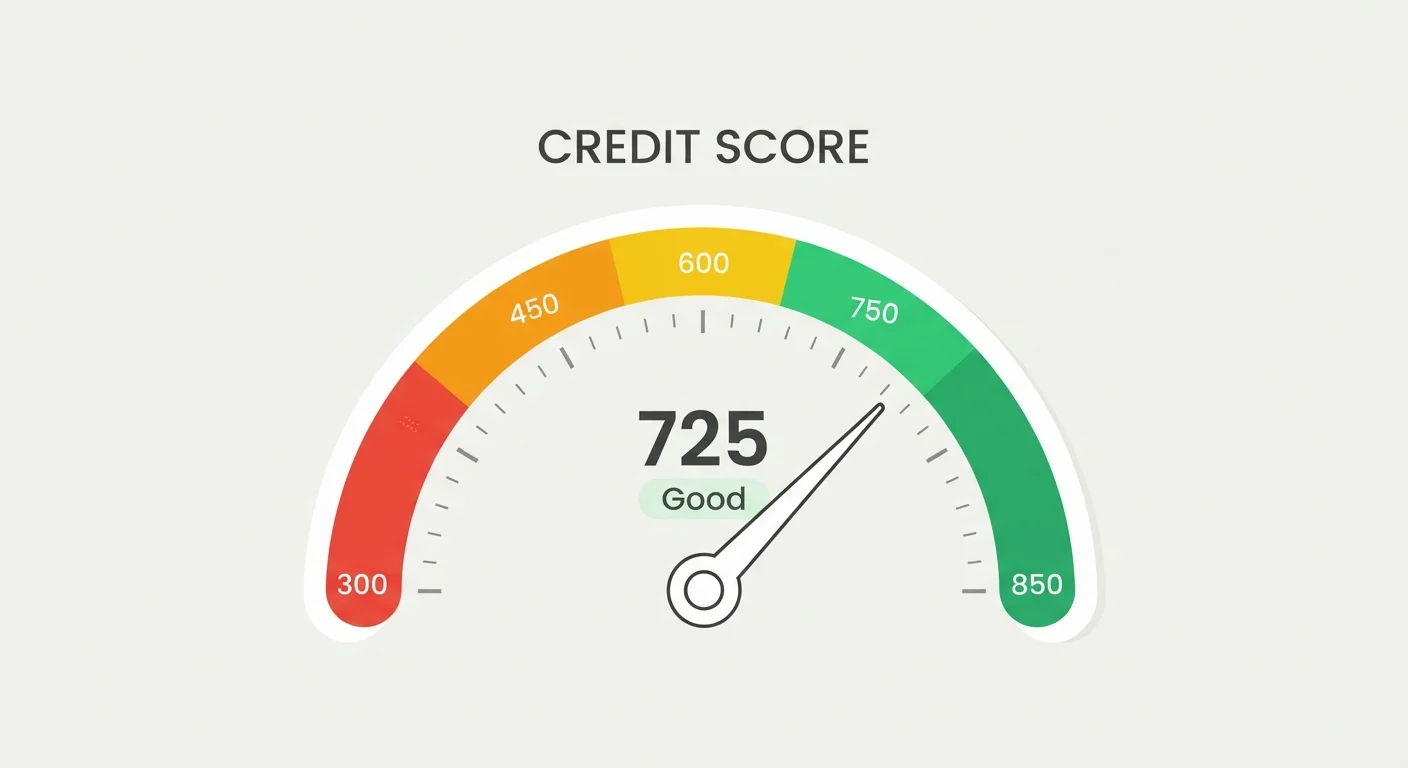
Your credit score is not a mystery number pulled from thin air. The most widely used scoring models - including FICO - base your score on five clearly defined factors, each weighted differently. Knowing what each factor is and how much it matters is the first step toward improving your number. For a broader foundation, see our introduction to what credit scores mean.
Here is how the five factors break down and what each one actually measures.
Payment History: The Biggest Lever
Payment history accounts for roughly 35% of your score - more than any other factor. Every time you pay a bill on time, that positive data is recorded. Every time you miss a payment by 30 days or more, a negative mark goes on your report and can stay there for up to seven years.
A single missed payment can drop a good score by 60 to 110 points, according to general scoring model behavior. The good news: consistent on-time payments over months and years gradually outweigh older negatives.
What helps: Set up autopay for at least the minimum due on every account. Even one on-time payment is better than none.
What hurts: Payments 30, 60, or 90+ days late, accounts sent to collections, and bankruptcies.
Credit Utilisation, Account Age, and the Rest
Credit utilisation (about 30% of your score) measures how much of your available revolving credit - mainly credit cards - you are currently using. A balance of $3,000 on a card with a $10,000 limit means you are at 30% utilisation. Most financial guidance suggests keeping utilisation below 30%, with lower generally being better for your score.
Paying down balances before your statement closing date is one of the fastest ways to improve this number, because that is usually when card issuers report your balance to the credit bureaus.
Credit utilisation ratio
The percentage of your available revolving credit that you are currently using. For example, a $2,000 balance on a $10,000 credit limit equals 20% utilisation. Lower ratios generally help your score.
Hard inquiry
A check on your credit report triggered when you apply for new credit - such as a credit card, mortgage, or auto loan. Hard inquiries can temporarily lower your score by a small amount.
Installment loan
A loan repaid in fixed payments over a set period, such as a car loan or student loan. These differ from revolving credit like credit cards, where your balance and minimum payment can change each month.
Credit mix
The variety of account types in your credit profile, including credit cards, mortgages, and installment loans. A healthy mix can contribute positively, though it carries less weight than payment history or utilisation.
Length of credit history (about 15%) rewards accounts that have been open longer. This is why closing an old card you no longer use can sometimes lower your score - it removes that account's age from your profile. If a card has no annual fee, keeping it open and occasionally using it for a small purchase can preserve that history. Our article on credit score myths covers this and other common misunderstandings in detail.
Credit mix (about 10%) reflects whether you manage different types of credit responsibly - for example, a credit card alongside an installment loan like an auto loan or student loan. You do not need to take on debt just to diversify; this factor carries less weight than the others.
New credit inquiries (about 10%) refers to hard inquiries, which occur when a lender checks your credit as part of an application decision. Each hard inquiry can shave a few points from your score, but the effect is typically small and temporary - usually fading within 12 months.
Putting It Into Practice
The simplest path to a stronger score comes down to two habits: pay on time, every time, and keep your card balances low relative to your limits. These two factors together make up roughly 65% of your score under standard models.
Scores Can Change Each Month
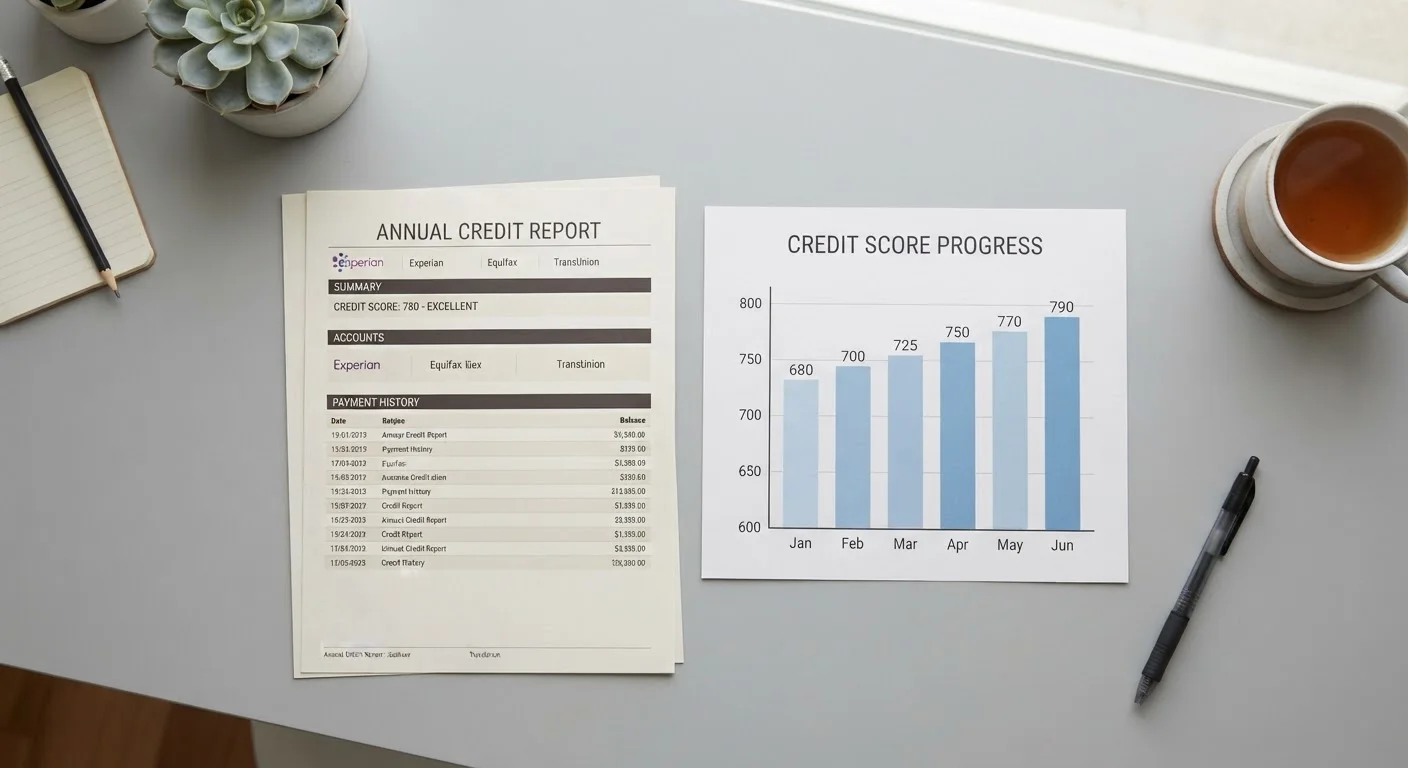
Your credit score is not fixed - it recalculates whenever new information is reported to the credit bureaus, which typically happens monthly. That means both improvements and setbacks show up relatively quickly. Checking your score regularly through a free service helps you track progress without triggering a hard inquiry.
For consistent day-to-day habits that reinforce credit health, see our guide on monthly financial habits that support a healthy credit profile. And if you are ready to go beyond the basics, explore less obvious ways to strengthen your credit over time.
This article provides general financial education and is not personalised financial advice. For guidance specific to your situation, consider speaking with a licensed financial professional.