
What Debt Consolidation Actually Means
Debt consolidation is the process of combining two or more debts into a single new loan or credit account. Instead of making separate payments to multiple creditors each month - each with its own interest rate and due date - you make one payment to one lender.
The goal is usually to secure a lower overall interest rate, reduce the number of payments you track, or both. Common forms include:
- Personal consolidation loans - An unsecured loan from a bank, credit union, or online lender used to pay off existing debts. You then repay the loan in fixed monthly installments.
- Balance transfer credit cards - Cards that offer a low or 0% introductory rate for a set period, letting you move high-interest card balances onto them.
- Home equity loans or HELOCs - Loans secured against your home that typically carry lower rates, but put your property at risk if you cannot repay.
If you are new to how debt and credit interact, the foundations of debt and credit are a helpful starting point before exploring consolidation options.
This article is for general informational purposes only and is not personalized financial advice. Consult a licensed financial professional before making decisions about your specific situation.
The Pros and Cons of Consolidating
Like most financial moves, debt consolidation has genuine advantages and real drawbacks. Understanding both helps you decide whether it fits your situation.
Simplifies repayment into one monthly payment
Managing a single due date and one lender is easier than juggling four or five separate accounts, reducing the chance of a missed payment.
Can lower your overall interest rate
If you qualify for a rate meaningfully below what your current debts carry - especially high-rate credit cards - you may pay substantially less interest over the life of the debt.
May improve your credit over time
Paying off revolving credit card balances with an installment loan can reduce your credit utilization ratio, which is a key factor in credit scoring models.
Fixed payoff timeline brings clarity
Personal loans typically come with a set repayment schedule, so you know exactly when the debt will be paid off - unlike credit cards with minimum payments that can stretch indefinitely.
Does not reduce the total amount you owe
Consolidation reorganizes debt; it does not forgive any of it. The principal balance remains the same, and fees or a longer term can mean you pay more overall.
Risk of accumulating new debt
Once credit card balances are paid off through consolidation, those cards are available to use again. Without behavioral changes, many borrowers end up with new card debt on top of the consolidation loan.
Qualification depends on your credit profile
The best rates on consolidation loans require good to excellent credit. Borrowers with lower scores may be offered rates that offer little improvement over existing debts.
Secured options put assets at risk
Using a home equity loan or HELOC to consolidate unsecured debt means your home becomes collateral - a missed payment could trigger foreclosure proceedings.
Fees can erode the savings
Origination fees on personal loans, balance transfer fees (typically 3-5% of the transferred amount), and prepayment penalties can reduce or eliminate the interest savings you expected.
One detail worth noting: consolidation is not the same as debt settlement or debt elimination. You still owe the full principal - you are simply reorganizing how you pay it back. For a side-by-side look at other repayment approaches, see how the debt snowball and avalanche strategies compare to consolidation.
When Consolidation Makes Sense - and When It Doesn't
Consolidation tends to work well in a specific set of circumstances. Run through these questions honestly before moving forward:
20%+
Average APR on credit card debt
According to Federal Reserve data, average credit card interest rates have consistently exceeded 20% in recent years, making high-rate card balances a primary candidate for consolidation.
3-5%
Typical balance transfer fee
Most balance transfer credit cards charge a fee of 3-5% of the amount moved, which should be factored into any savings calculation before choosing this route.
- Will you actually get a lower rate? If your credit score has improved since you opened your current accounts, you may qualify for a better rate now. If not, consolidation offers limited financial benefit.
- Can you cover the new monthly payment? Consolidation often extends your repayment term. A lower monthly payment is only helpful if the tradeoff - paying longer - is worth it in your situation.
- Is the debt secured or unsecured? Rolling unsecured debt (like credit cards) into a home equity loan converts it to secured debt. Missing payments could cost you your home.
- Will your habits change? If overspending is what created the balances, consolidation alone won't fix the underlying pattern.
Consolidation Is Not a Quick Fix
Lenders and credit counselors often note that debt consolidation works best as part of a broader financial plan - not as a standalone solution. Addressing the spending habits or income gaps that led to the debt is just as important as finding a lower rate. If you feel overwhelmed, a nonprofit credit counseling agency (such as those accredited by the NFCC) can provide free or low-cost guidance on your options.
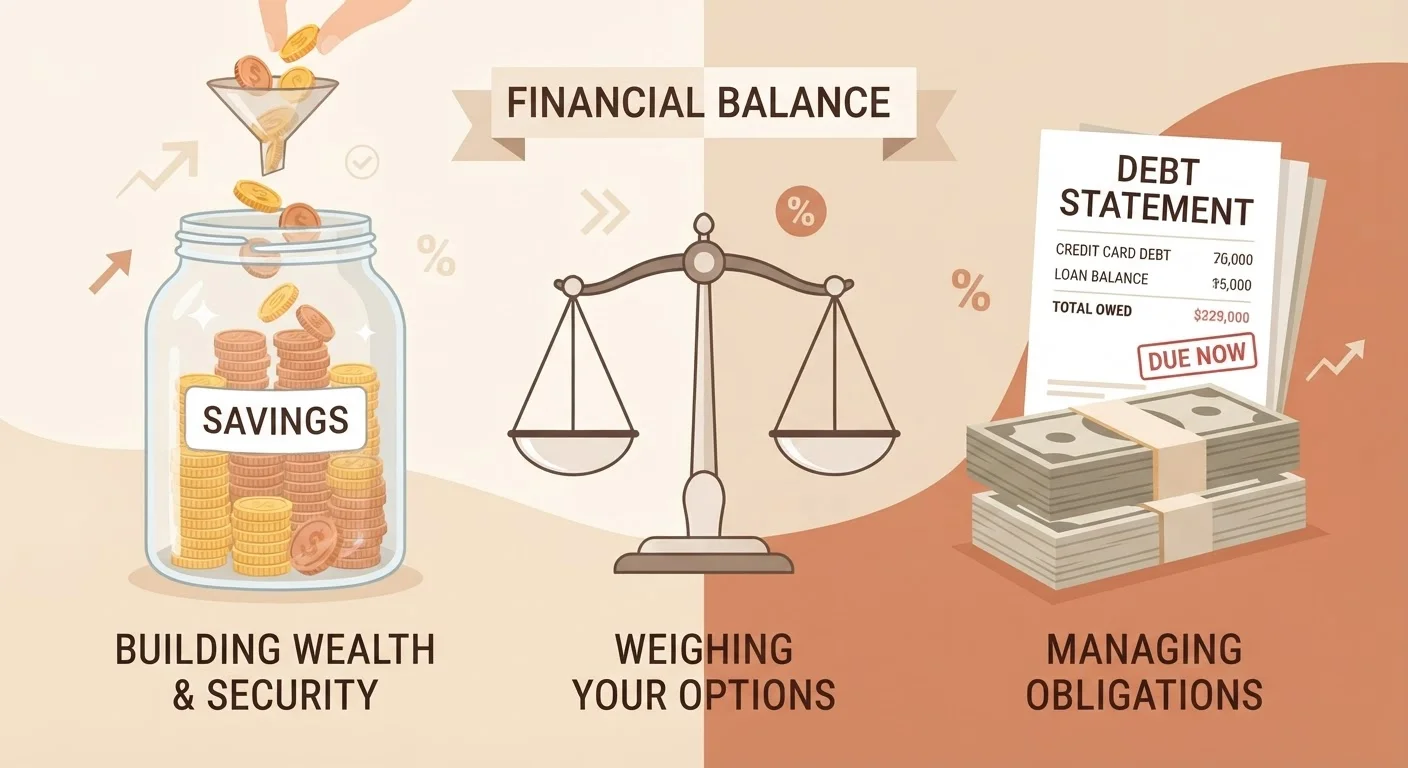
If keeping debt and savings in balance is something you are working through, it helps to also think about whether to prioritize saving or paying off debt alongside any consolidation plan. A solid budgeting approach is often what makes the difference between consolidation succeeding or failing.