What Dog Ownership Actually Demands Day to Day
Before bringing a dog home, it helps to understand what a typical day actually looks like. Dogs are social animals with consistent needs - feeding, exercise, bathroom breaks, mental stimulation, and companionship don't pause for busy weeks or vacations.
Most dogs need at least one to two hours of active engagement per day. That includes walks, playtime, and training - not just coexisting in the same space. Exercise requirements vary significantly by breed and size, so a dog that looks manageable based on size alone may still demand far more activity than expected.
You'll also need a plan for days when life gets in the way - illness, travel, or long work hours. Dog walkers, doggy daycare, or trusted friends all come with logistical and financial considerations of their own.
Proven mental health and emotional wellbeing benefits
Research consistently links dog ownership to reduced stress, lower blood pressure, and decreased feelings of loneliness. The routine of caring for a dog can also support mental structure, particularly for those living alone.
Built-in motivation for physical activity
Dog owners tend to walk more than non-owners, which contributes to cardiovascular health over time. The animal's need for exercise becomes a natural driver for the owner's own movement.
Deep, lasting companionship
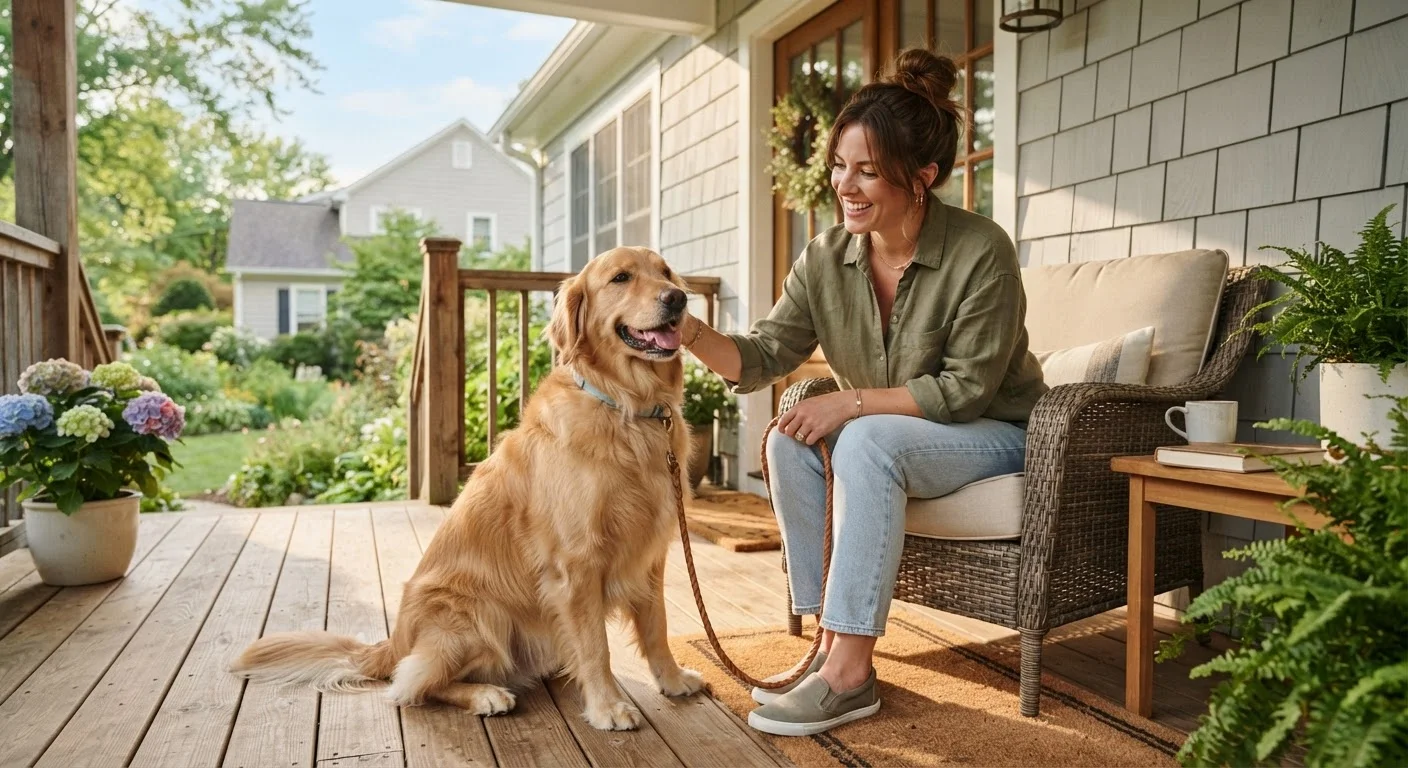
Dogs are highly social animals that form genuine bonds with their owners. This relationship can provide meaningful connection and a sense of purpose, particularly across different life stages.
Teachable skills and family bonding opportunities
Training a dog builds patience and communication skills. For families with children, caring for a dog together can foster empathy and shared responsibility.
The Real Financial Picture
The cost of dog ownership is one of the most commonly underestimated factors for new owners. Beyond the initial adoption or purchase fee, ongoing expenses add up quickly.
$1,000-$3,000+
Estimated annual dog ownership cost
According to the American Kennel Club, routine annual expenses for a dog - excluding emergencies - commonly fall within this range depending on size and breed.
10-15 years
Average dog lifespan
The American Veterinary Medical Association notes that most dogs live between 10 and 15 years, making ownership a substantial long-term commitment.
Routine annual costs typically include food, preventive veterinary care, flea and tick prevention, licensing, and grooming - depending on the breed. Emergency or specialist vet visits can run into hundreds or thousands of dollars with little warning. Pet insurance can help manage unexpected costs, though it comes with its own premiums and limitations worth reading carefully.
If you're thinking through your overall financial picture, it may be worth reviewing resources on budgeting basics before committing to a pet - recurring animal care costs are a genuine household expense.
High ongoing financial cost
Food, routine vet care, grooming, supplies, and boarding can cost $1,000-$3,000 or more annually. Unexpected medical emergencies can add thousands more without warning.
Significant daily time commitment
Dogs require feeding, exercise, training, and social interaction every single day. This doesn't pause for busy schedules, illness, or travel, requiring reliable backup care arrangements.
Reduced lifestyle flexibility
Spontaneous travel, long work days, and moving to new housing all become more complicated with a dog. Many rental properties have breed restrictions or no-pet policies.
Long-term commitment spanning major life changes
Most dogs live 10 to 15 years. Owners must account for how their lives - housing, relationships, finances, health - may shift across that entire span.
Potential for property damage and cleaning demands
Puppies and anxious dogs in particular may chew furniture, have accidents indoors, or shed heavily. Managing these realities requires patience and sometimes professional training.
Lifestyle Fit: Space, Schedule, and Long-Term Commitment
A dog needs to fit your actual life - not an idealized version of it. Apartment dwellers can absolutely own dogs, but it requires more intentional exercise planning and an honest assessment of the dog's breed and temperament. Some dogs adapt well to smaller spaces; others do not.
Dogs also tie you to a place in ways that other pets don't. Spontaneous travel becomes logistically complex. Renting a new home may be limited by pet policies. And because most dogs live 10 to 15 years, the decision extends across major life changes - moves, job shifts, relationship changes, and family growth.
The Right Breed Matters More Than You Might Think
Many first-time owners choose a dog based on appearance alone, only to find the breed's energy level or temperament is a poor match for their home. A high-energy working breed in a small apartment without significant daily exercise can develop destructive or anxious behaviors. Before committing, research breed traits thoroughly or consult a shelter counselor who can help match a dog's personality to your lifestyle.
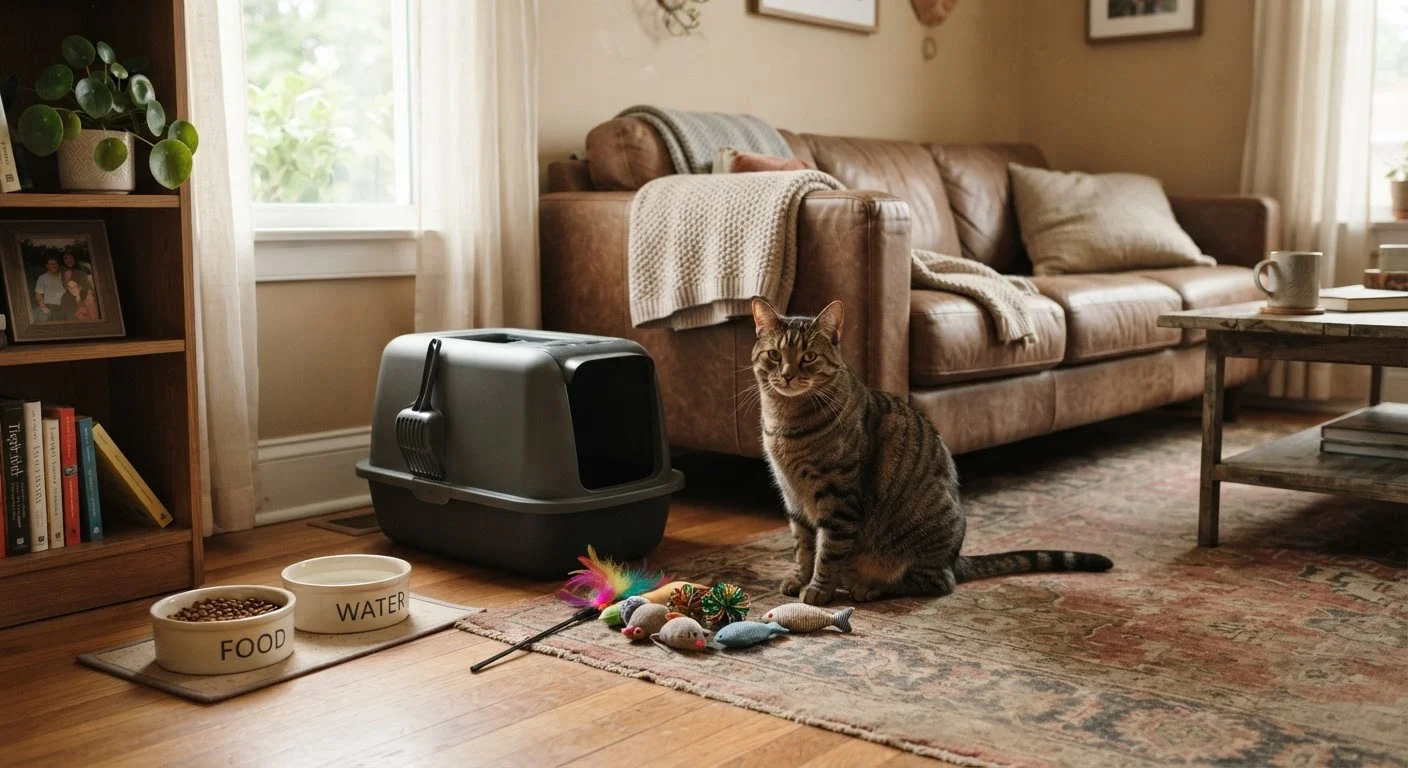
If you're weighing dogs against other pets, small pets come with their own trade-offs that are worth understanding side by side. Similarly, cat ownership carries its own cost structure that differs meaningfully from dogs.
This article is for general informational purposes only. Consult a veterinarian for guidance specific to your dog's health and care needs.