Why Seasonal Maintenance Makes Sense
Your car doesn't experience the year as one long, steady stretch. Heat cracks rubber hoses. Cold drains batteries. Road salt eats at metal. Each season stacks a different kind of stress on your vehicle - and the checks that matter in July are different from the ones that matter in November.
The good news is that most seasonal maintenance tasks are straightforward visual checks and fluid top-offs that don't require special skills or an expensive shop visit. Many can be completed in a driveway in under an hour. For a broader look at where these checks fit in the bigger picture of vehicle ownership, the complete car maintenance overview is a useful starting point.
This checklist is organized by season. Work through each group when the relevant season approaches, and you'll stay ahead of the problems that catch unprepared drivers off guard.
Your Owner's Manual Overrides General Advice
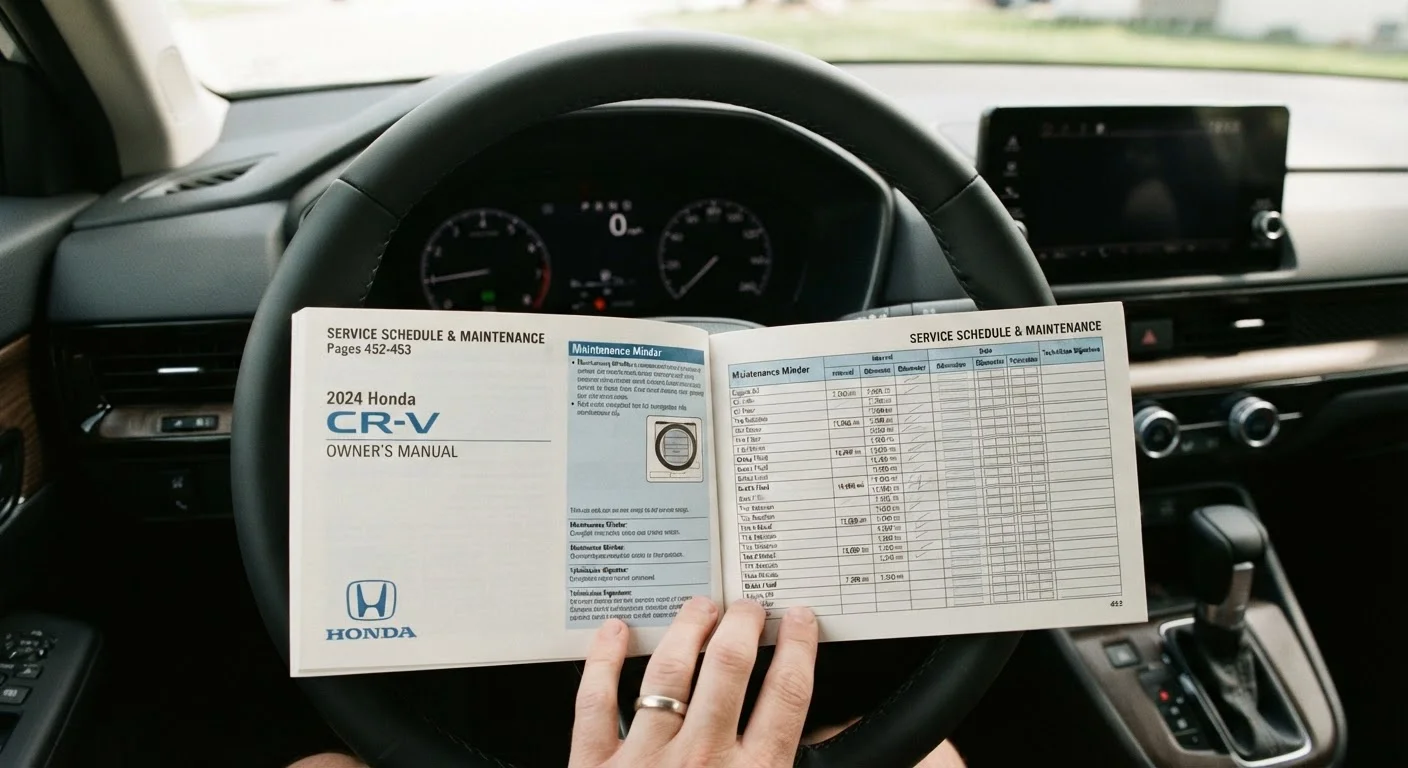
Every vehicle has a manufacturer-approved maintenance schedule that accounts for its specific engine, transmission, and components. General seasonal advice is a helpful prompt - but your owner's manual has the final word on service intervals and fluid specifications. If you're unsure how to read it, see our guide to reading your owner's manual.
What You'll Need
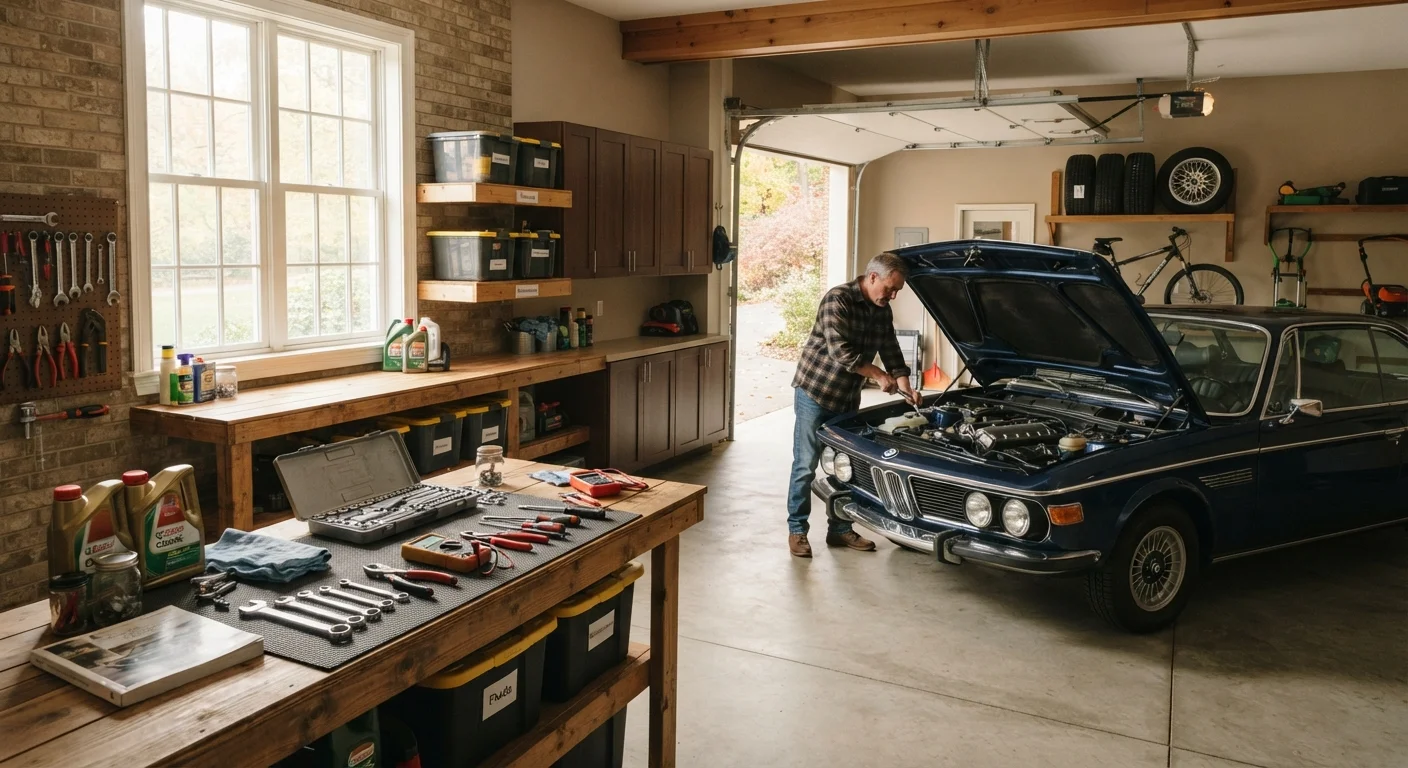
Most checks on this list require nothing more than your eyes and hands. A few basic tools make the process faster and more accurate. Before starting any season's checklist, gather the following.
Tire pressure gauge
Measures PSI in each tire so you can compare against the manufacturer's recommended level.
Coolant tester strip or refractometer
Checks antifreeze concentration to confirm freeze and boil-over protection are within safe range.
Flashlight or work light
Helps you inspect belts, hoses, brake components, and fluid reservoirs in low-light conditions.
Battery load tester
Tests whether a battery can hold a charge under load - most auto parts stores will do this for free.
Tread depth gauge
Gives a precise reading of remaining tire tread, more accurate than the coin test alone.
If you're not confident checking certain components - particularly brakes or belts - a quick inspection at a trusted shop is a reasonable alternative to skipping the check entirely. The DIY car checks guide covers the basics any driver can handle at home.
The Season-by-Season Checklist
Work through the appropriate group when each season arrives. Items marked must are non-negotiable for safety and reliability. Items marked should are strongly recommended. Nice to have items are helpful additions when time and budget allow.
Spring Checks
Summer Checks
Fall Checks
Winter Checks
Don't Ignore Brake Warning Signs
Squealing, grinding, or a soft brake pedal are not issues to defer until the next season. These symptoms can indicate worn pads, low brake fluid, or air in the lines. Have brakes inspected by a qualified mechanic promptly - do not wait for a scheduled seasonal check if warning signs appear.
Check Your Manual Before Changing Fluids
Not all vehicles use the same fluid types. Using the wrong coolant, transmission fluid, or brake fluid can damage seals and components. Always verify the correct specification in your owner's manual before topping off or flushing any fluid.
If you notice anything during these checks that seems off - unusual fluid color, visible cracks in belts, a battery that struggles to hold a charge - treat it as a prompt to consult a mechanic rather than a reason to postpone. Catching a $15 problem before it becomes a $300 repair is exactly what this process is designed to do. You can also read about habits that keep cars in good shape for simple routines to build alongside seasonal checks.
Keeping a Simple Maintenance Log
A seasonal checklist is most useful when paired with a record of what you've actually done. You don't need special software - a notes app, a spreadsheet, or even a small notebook kept in the glove box works fine. Note the date, mileage, and what was checked or serviced each time.
This record serves two purposes. First, it removes the guesswork when you're trying to remember whether you had the brakes inspected last fall or two falls ago. Second, it adds tangible value when selling the vehicle - documented maintenance history is something buyers and dealers notice. For a broader look at managing the financial realities of vehicle ownership, the financial habits guide for car owners is worth reading alongside this checklist.
Seasonal maintenance isn't about perfection. It's about consistency. Running through these checks four times a year takes less time than most car problems take to fix - and far less money.