Why the Financial Side of Car Ownership Catches People Off Guard
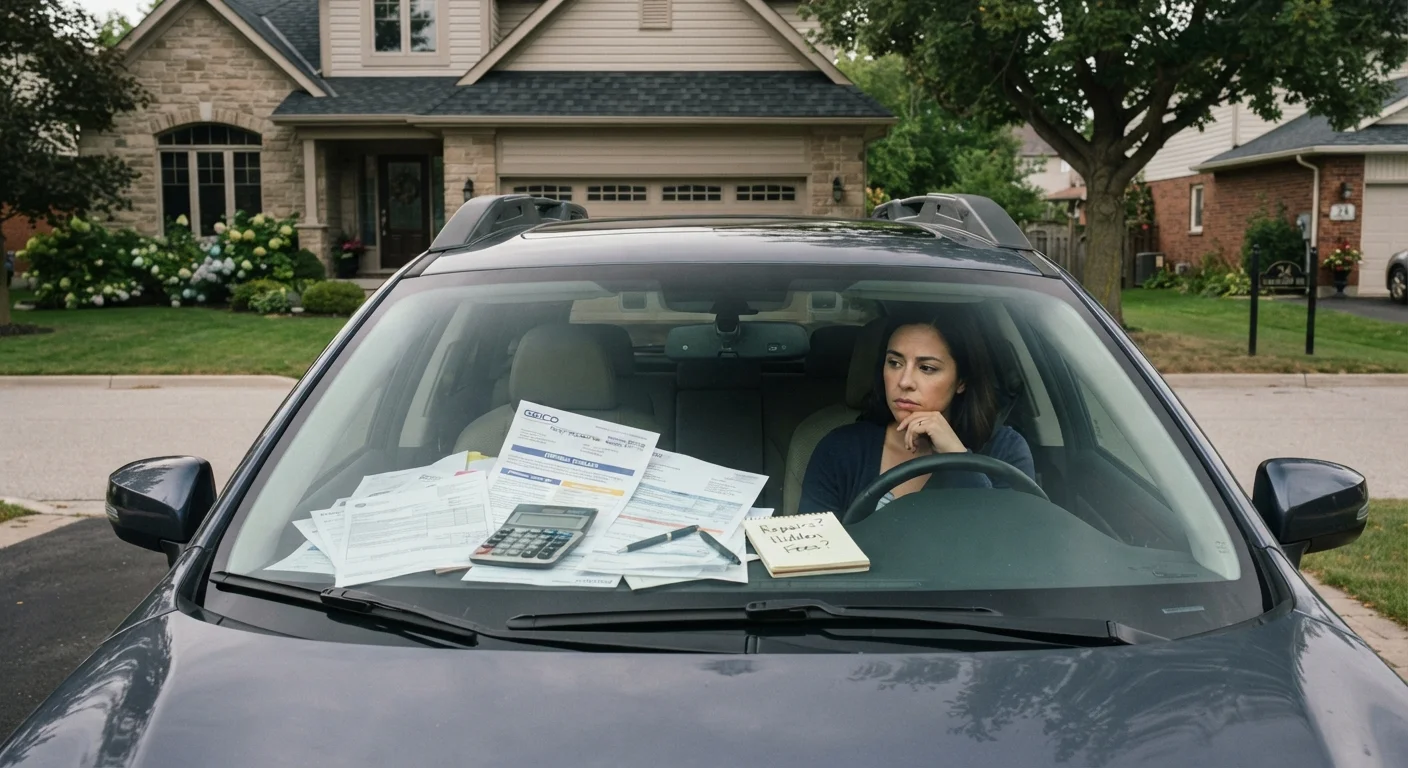
For most households in the US, a car is the second-largest expense after housing - yet many owners only think about what they paid at the dealership. The real cost of ownership is spread across insurance premiums, registration fees, fuel, maintenance, and the occasional repair bill. When those costs aren't tracked, they create budget drift that's hard to reverse.
The good news is that managing the financial side of car ownership doesn't require a finance degree. It takes a small number of consistent habits, applied regularly. The practices below are practical, low-effort, and designed for drivers who want clarity - not complexity. For a broader look at keeping your finances on track, budgeting basics is a useful place to start.
This Is General Financial Information
The guidance in this article is for educational purposes and does not constitute personalized financial or legal advice. Car ownership costs and insurance requirements vary by state, lender, and individual circumstances. For decisions specific to your situation, consult a qualified financial professional or licensed insurance agent.
Core Practices That Keep Car Costs Under Control
The habits below address the areas where everyday car owners most often lose money, get caught off guard, or simply pay more than necessary due to disorganization. None of them are complicated - but they do require consistency.
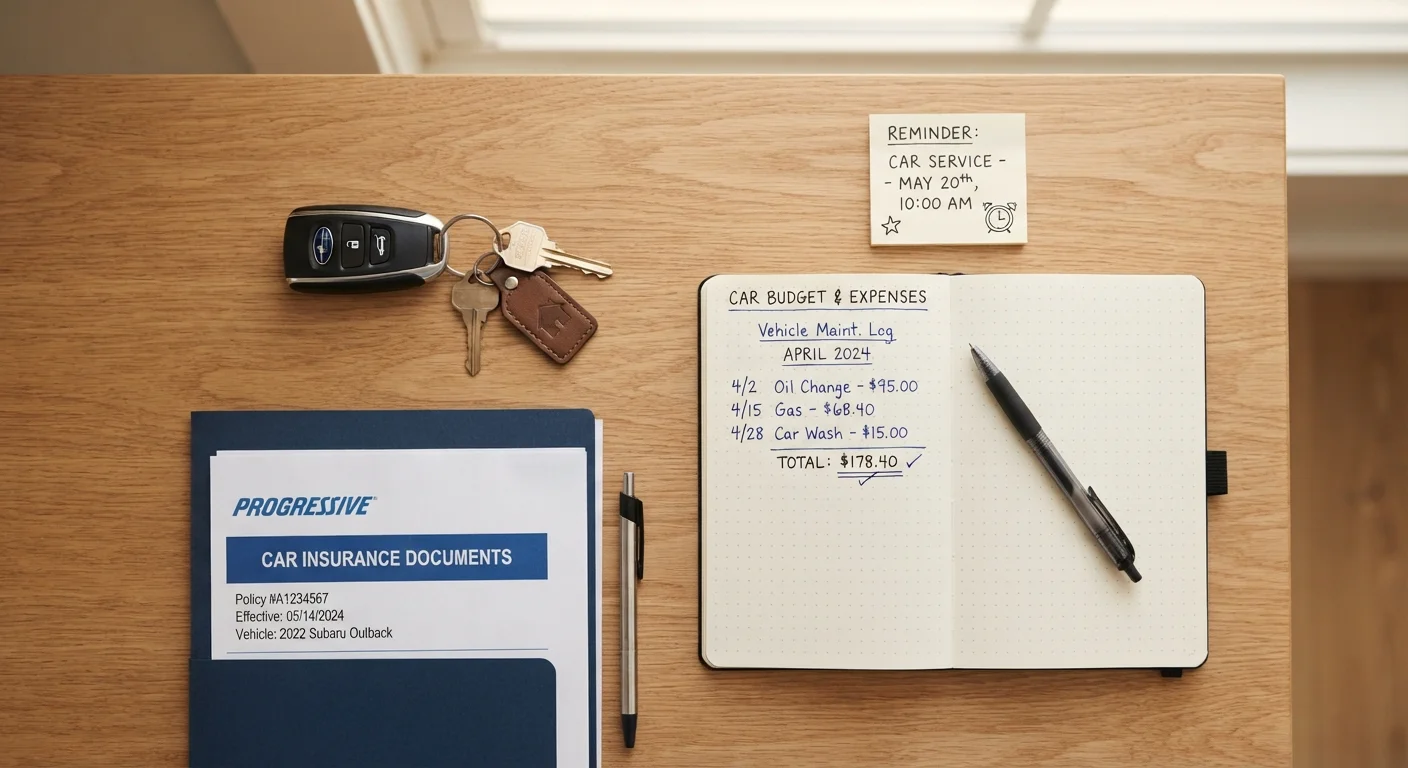
Build a dedicated car budget line that covers more than just your loan payment.
Most drivers budget for their monthly payment but forget to account for fuel, insurance, registration, oil changes, and unexpected repairs. Lumping all of these into one realistic monthly estimate keeps you from being blindsided.
Set calendar reminders for every renewal date tied to your car.
Insurance lapses, expired registrations, and missed inspection deadlines can result in fines, legal exposure, or even a suspended license. A simple reminder system eliminates that risk with almost no effort.
Read your insurance policy's declarations page and know your coverage limits.
Many drivers pay premiums without understanding what their policy actually covers. Knowing your liability limits, deductible amounts, and whether you carry comprehensive and collision coverage helps you avoid gaps - especially after an accident. You can learn more about factors that affect your premium.
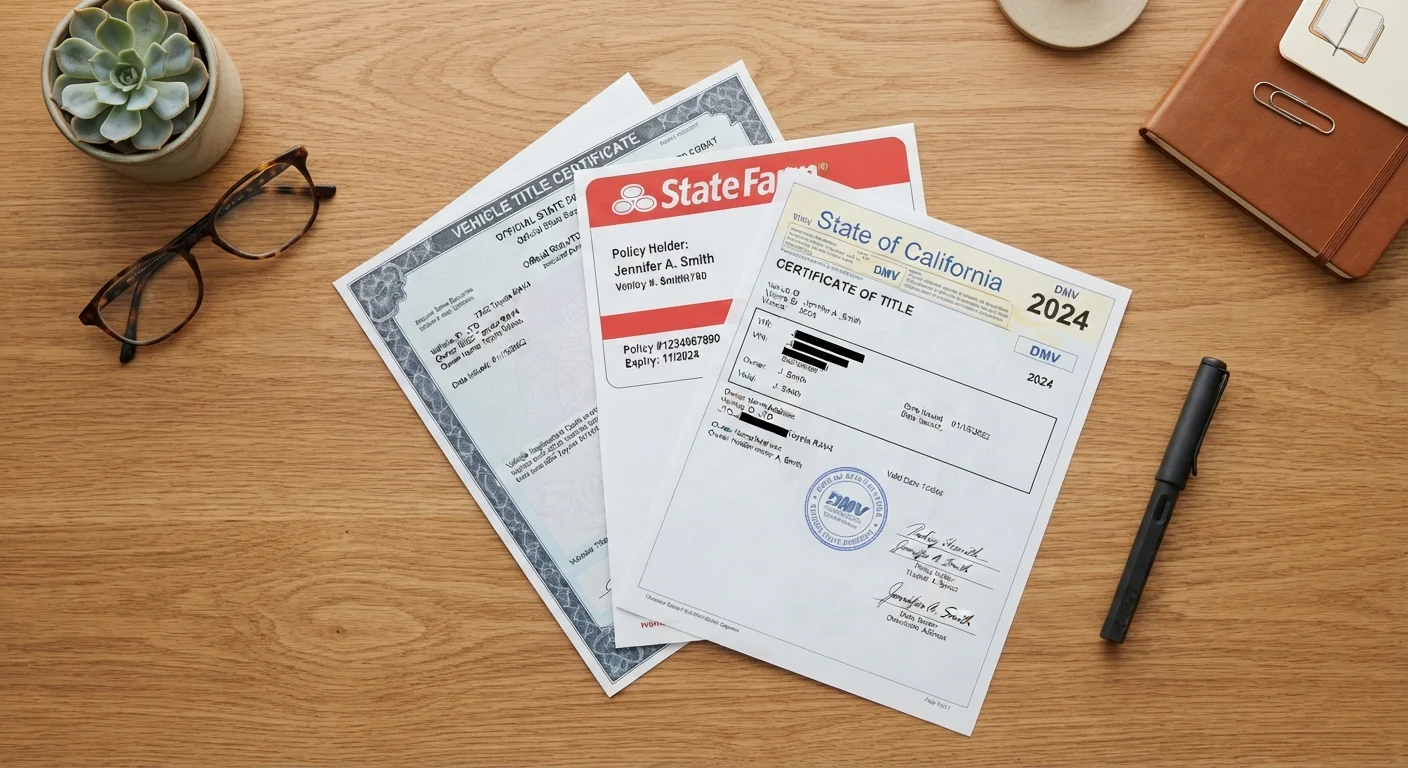
Keep all car-related documents in one organized location.
Scrambling to find your title, registration, or insurance card during a traffic stop or after a fender-bender adds stress to an already difficult situation. A simple folder - physical or digital - solves this. See our guide to car documents for a full list of what to keep.
Set aside a small monthly repair reserve before you need it.
Cars require maintenance and occasionally break down. Drivers who treat repair costs as unexpected rarely have the cash ready, which pushes them toward high-interest borrowing. Even a modest monthly contribution smooths out those costs over time.
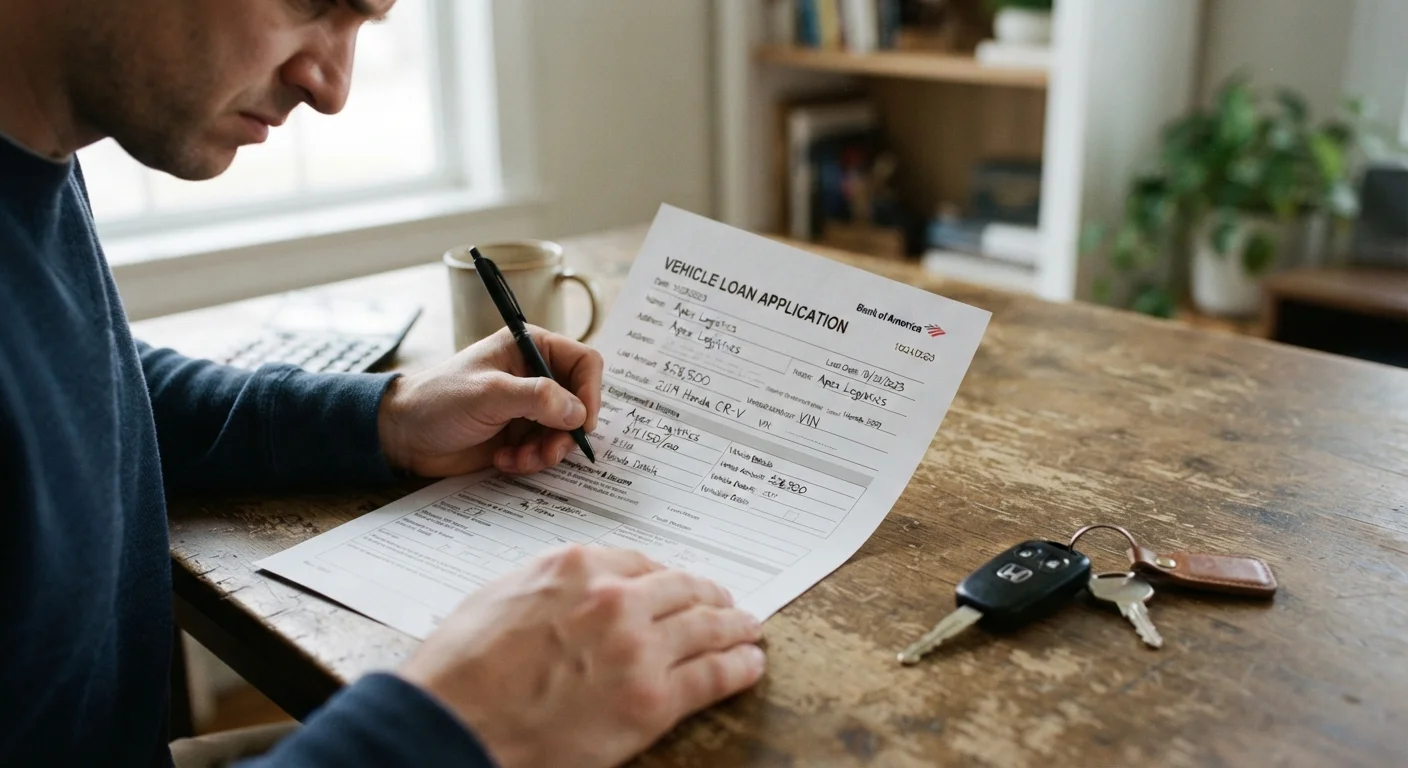
Review your loan terms and understand what you still owe versus what your car is worth.
Carrying more debt on a vehicle than it's currently worth - sometimes called being "upside down" on a loan - can cause serious financial problems if the car is totaled or you need to sell. Understanding this gap helps you make smarter decisions. Our article on auto loan pitfalls explains common mistakes to avoid.
Quick Actions You Can Take Today
You don't need to overhaul your finances all at once. Start with one or two of these immediately actionable steps and build from there.
Once these basics are in place, consider running a broader monthly savings self-audit to see how your car costs fit into your overall financial picture.
Staying on Top of It Over Time
Car ownership is ongoing, and the financial side of it shifts as your vehicle ages, your loan balance changes, and your insurance needs evolve. Set a recurring habit - even once a year - to review the whole picture: what you're paying, what you're covered for, and whether your repair reserve is adequate.
Keeping your car well-maintained also reduces financial surprises. Simple maintenance habits can prevent many of the repair bills that catch drivers off guard. And if you ever need to file a claim, understanding the process in advance makes a stressful situation easier - see how to file a car insurance claim for a practical walkthrough.
“The biggest financial mistakes around car ownership aren't dramatic - they're small oversights that compound quietly over time, like not knowing what your insurance actually covers or never building a repair cushion.”
— Cars & Driving Editorial Team, Automotive consumer guidance writers
This article is for general informational purposes only and does not constitute personalized financial, insurance, or legal advice. Costs, requirements, and coverage options vary by state and individual circumstances. Consult a licensed professional for guidance specific to your situation.